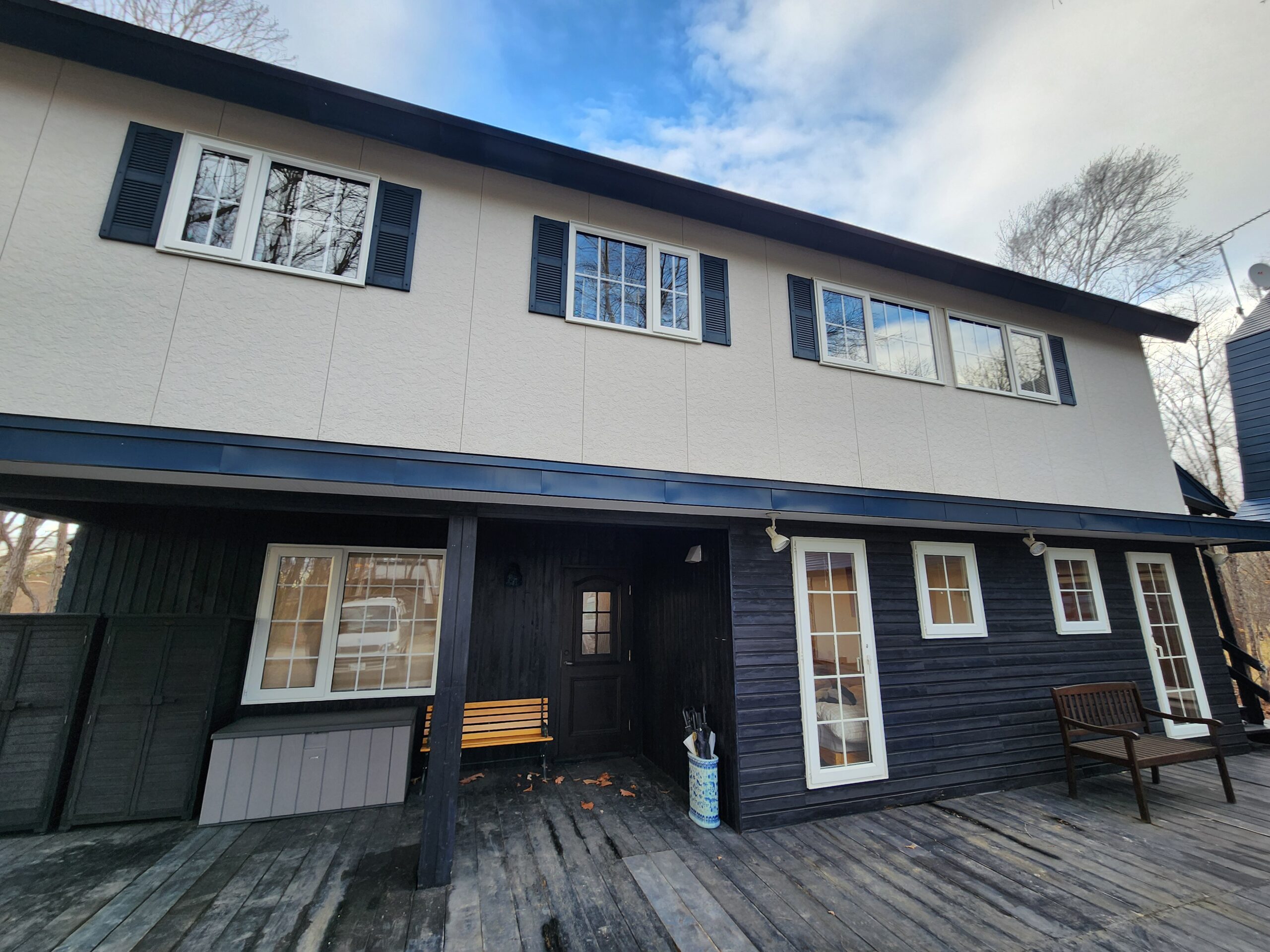
Comfort Hotel Kushiro
City hotel near JR Kushiro Station on Kitaodori Street. Offers clean, all-non-smoking rooms with free Wi-Fi and a breakfast buffet. Convenient base for business and city sightseeing.
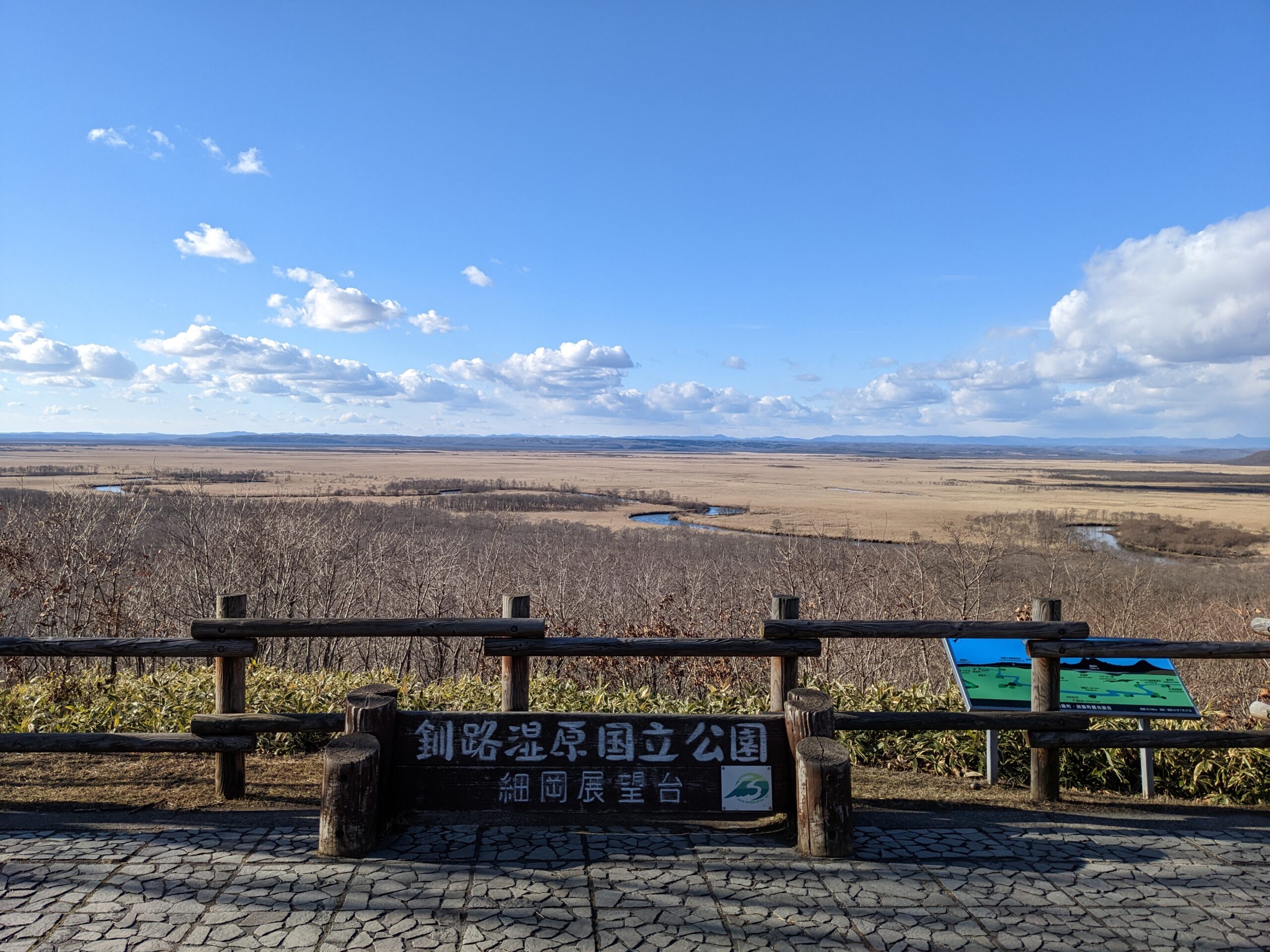
Kushiro Shitsugen National Park is Japan’s largest wetland reserve, a vast landscape of marshes, meandering rivers, and surrounding hills. The Kushiro River and its tributaries flow gently through this broad plain, creating a habitat rich in biodiversity. About 80% of the park is covered by reedbeds, sedge meadows, and alder groves—an ideal environment for rare wildlife.
This is one of the best places in Japan to see red-crowned cranes (tancho), a species once nearly extinct. The park is also home to white-tailed eagles, Japan’s largest freshwater fish (ito), and the endangered Hokkaido white-faced dragonfly (Ezo-kaojiro-tonbo), all thriving in this protected environment.
To the east of the wetland, you’ll find several lakes known as “coastal lagoons,” including Lake Toro, Lake Shirarutoro, and Lake Takkobu. These were once part of the sea, and today their gently rolling shores and elevated plateaus still show traces of past wave erosion—landforms unique to this area.
Surrounding the wetland is a pastoral landscape of grazing cows and open dairy farmland, where soft hills and wide skies create a serene, quintessentially Hokkaido view.
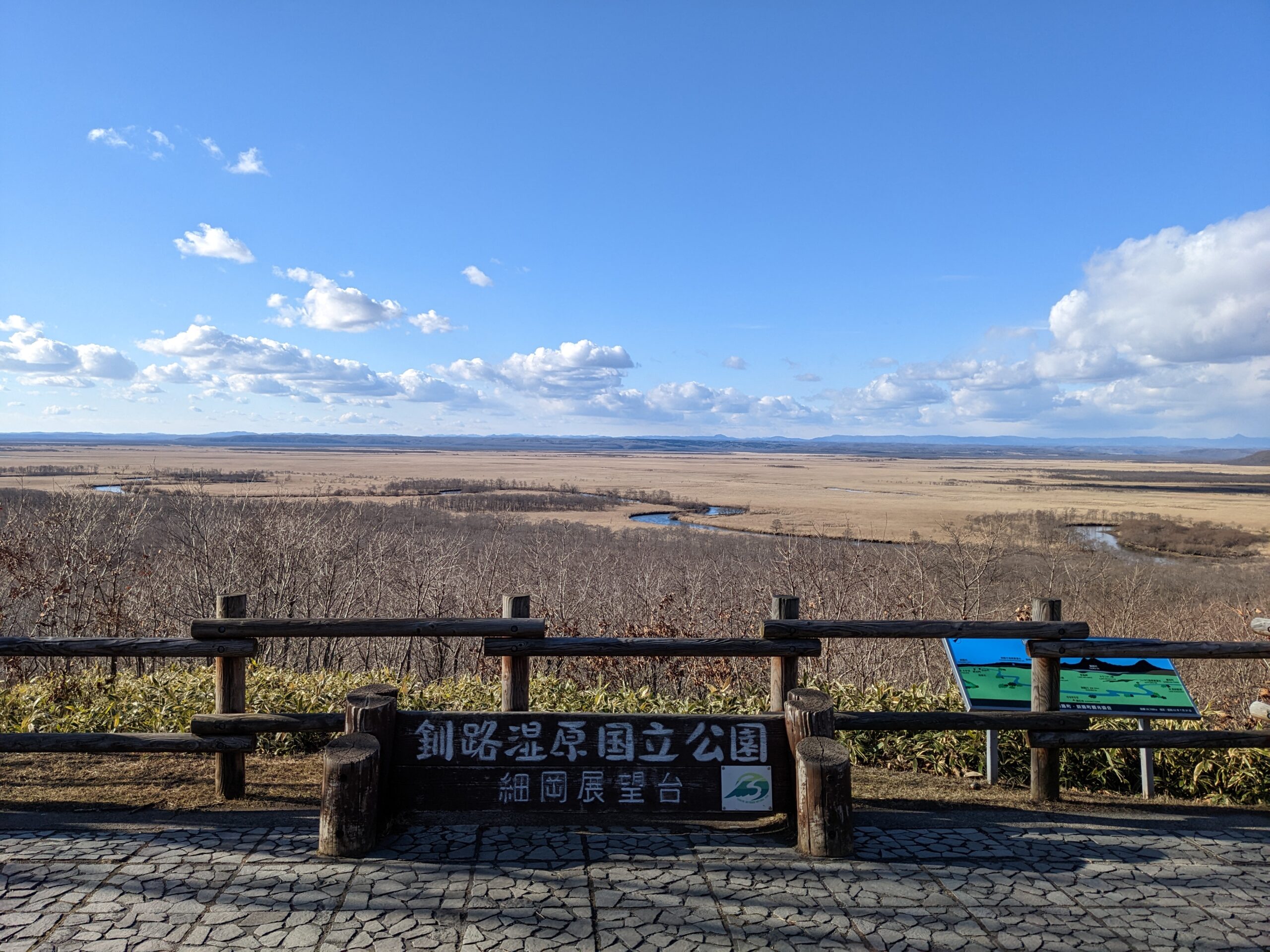
Hosooka Observatory offers one of the most iconic panoramic views of the Kushiro Wetland. From here, you can see the meandering Kushiro River cutting through the vast grasslands. This spot is especially famous for its sunsets—when the sun dips below the horizon, the wetlands glow with shades of orange, red, and violet. On clear evenings, you can also spot the distant silhouettes of Mt. Oakan and Mt. Meakan.
Among the several observatories around the wetland, Hosooka is unique in offering a direct, frontal view of the winding river. It’s a favorite location for photographers seeking to capture the perfect balance of river, sky, and sunset.
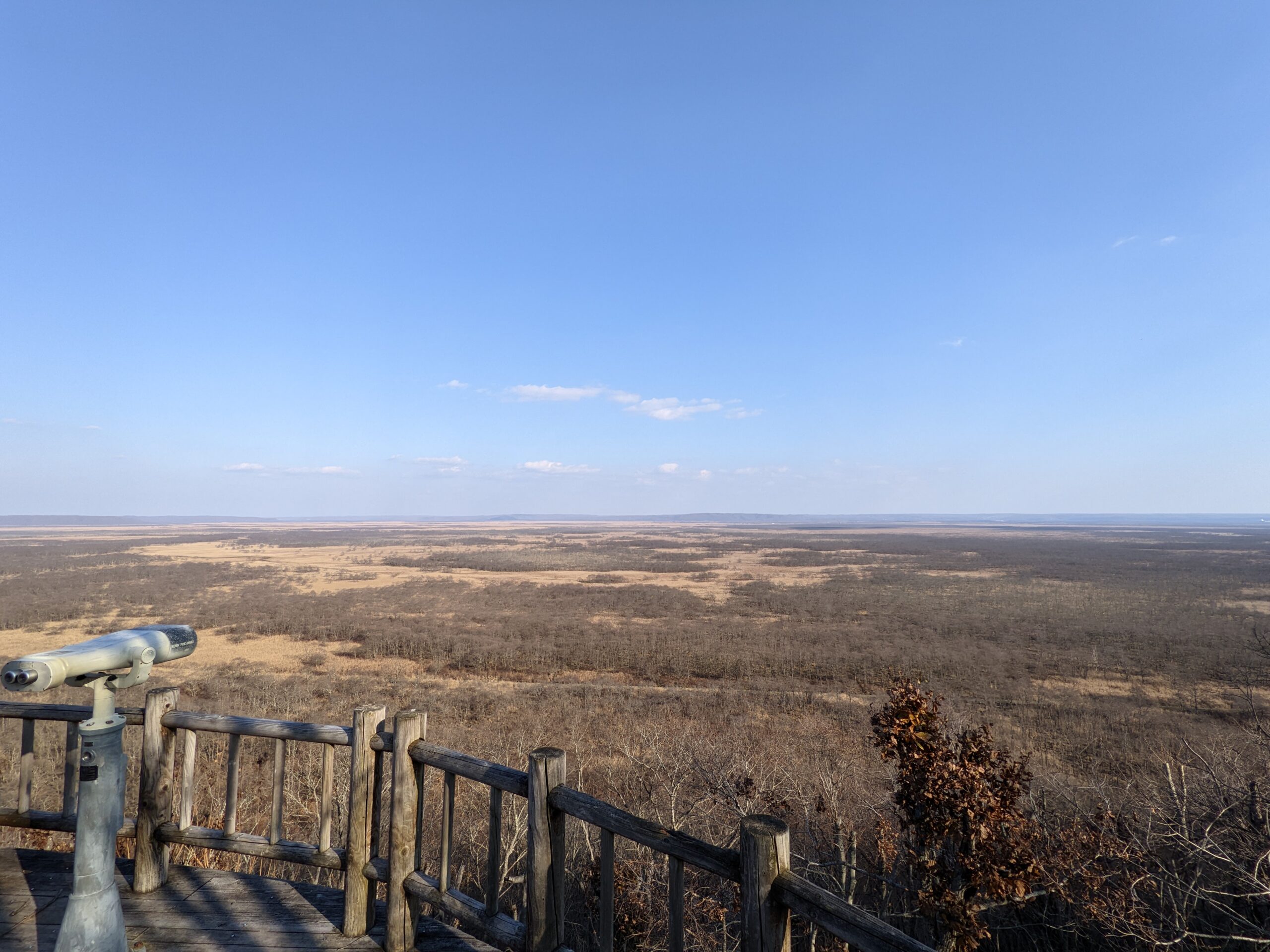
Located at the end of the walking trail from Kushiro Marsh Observatory, the Satellite Observatory sits atop a hill that opens up to a sweeping view of the wetland. Once you pass through the surrounding woods, the full expanse of the marsh stretches out to the horizon. The vastness and openness of the view have even drawn comparisons to the African savannah.
On sunny days, the contrast between the vivid green marsh and the blue sky creates a dramatic scene. Since the main Kushiro Marsh Observatory itself is mostly surrounded by trees, visitors who want a full view of the wetland landscape often make the short trek to this secondary observatory.
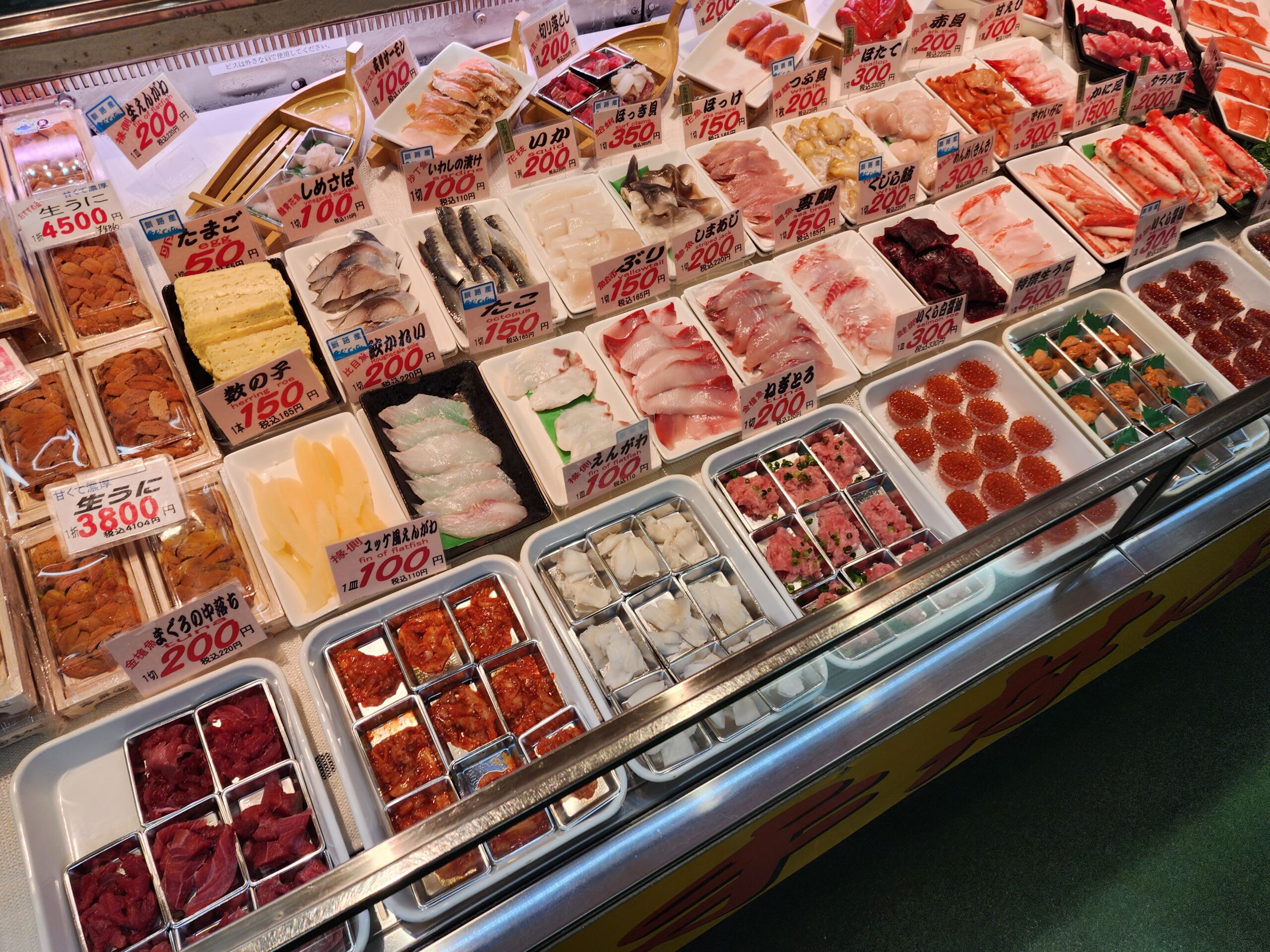
Steps from JR Kushiro Station, this classic covered market is known for katte-don—you buy a bowl of rice, then pick seasonal seafood toppings from the stalls. It’s compact, lively, and ideal for a quick, local lunch stop.
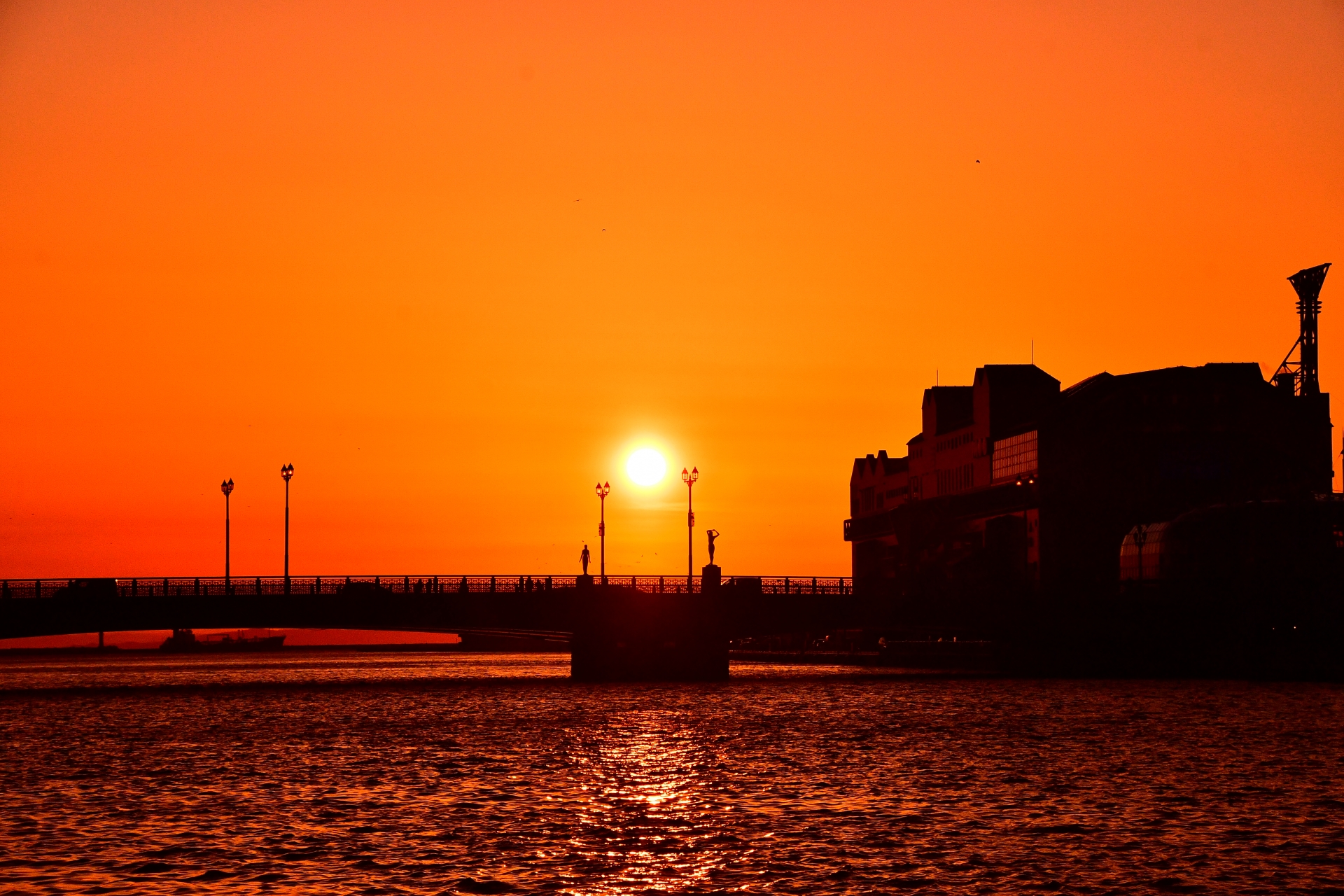
Spanning the Kushiro River near its mouth, Nusamai Bridge is Kushiro’s signature city landmark and the classic place to watch the “Kushiro sunset.” From the bridge, you can look west over the river toward the Pacific, with the silhouettes of four bronze statues representing the seasons lining the railings. The current bridge is the fifth generation, completed in 1976, and it remains one of Hokkaido’s best-known bridges for its scenery at dusk.
Kushiro is famous for frequent sea fog in summer (especially June–August), which can obscure the view. For clearer sunset chances, autumn through winter and early spring tend to be better.
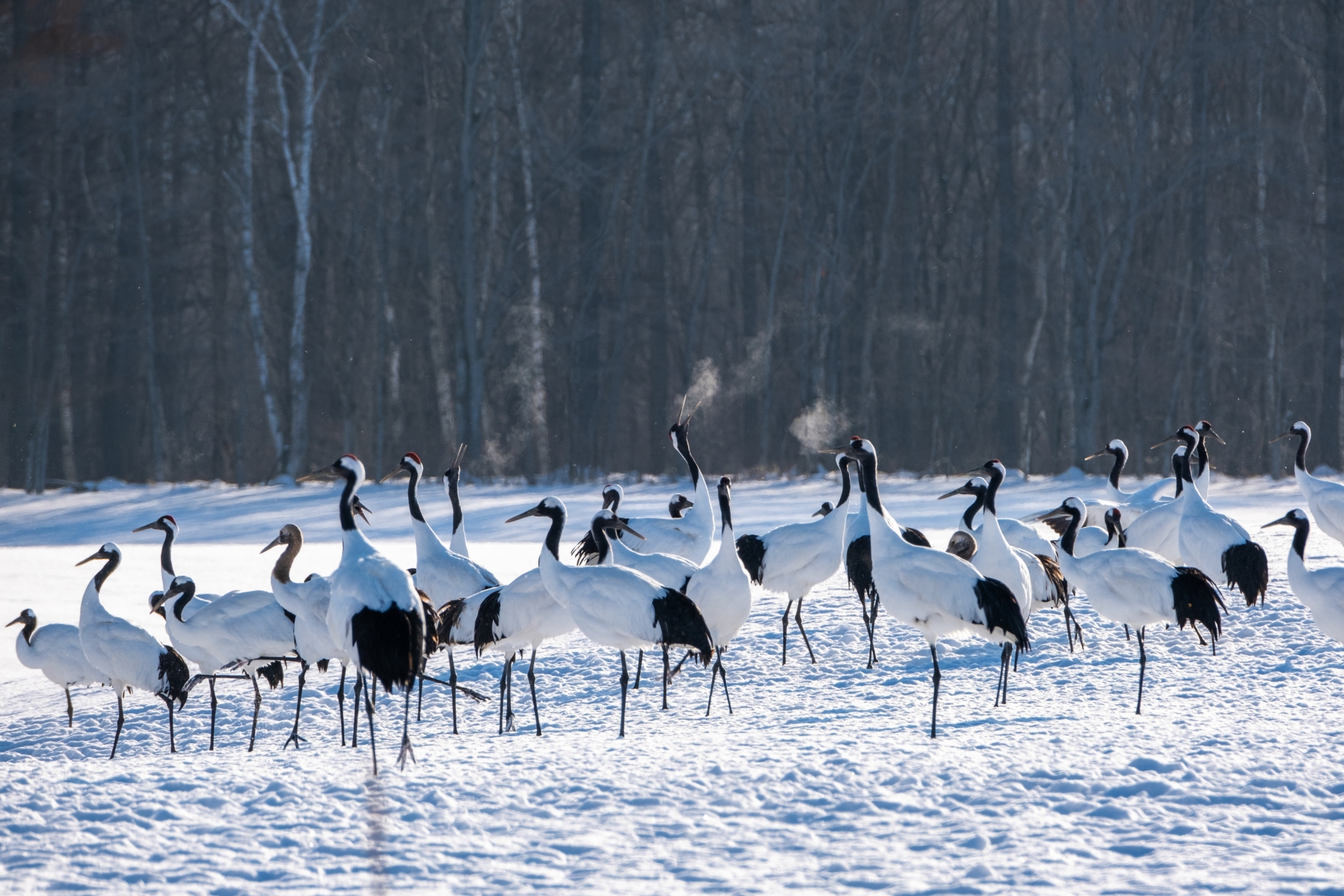
Tsurumidai and Ito Sanctuary are two of the best spots in winter to observe red-crowned cranes (tancho). From November to March, as natural food sources in the wetland become scarce, feeding programs are conducted here as part of conservation efforts. On some days, over 200 cranes gather in the area.
Visitors can watch cranes resting, calling to each other, performing courtship dances, or taking flight—all from a relatively close distance. At Ito Sanctuary, a nature center provides exhibits and information about crane behavior and ecology.
Always stay within designated viewing areas, and be sure to take your trash with you. Responsible behavior ensures the cranes can thrive undisturbed and future visitors can continue to enjoy this rare sight.
MAP (Tsurumidai)
MAP (Ito Sanctuary)
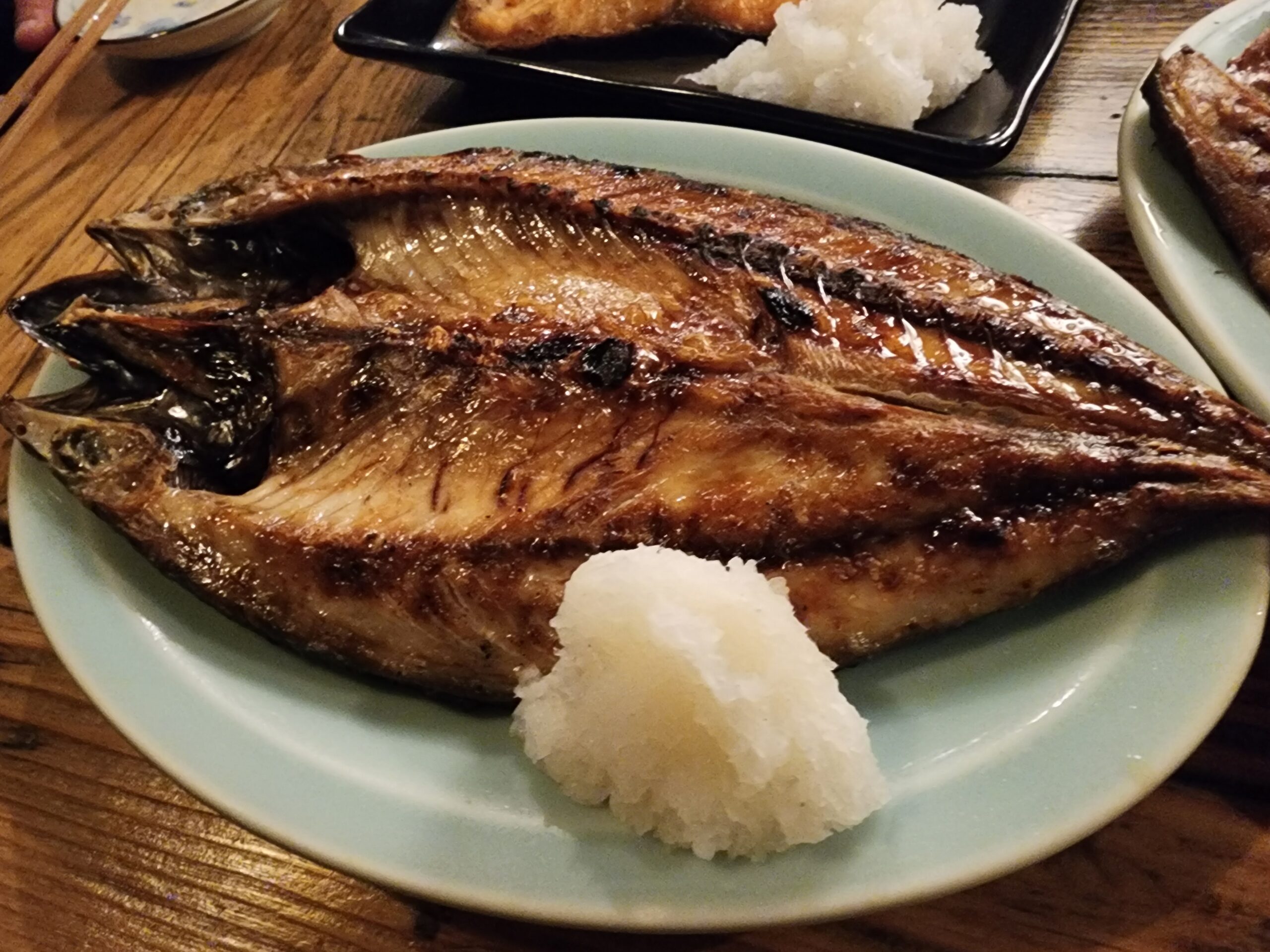
Historic restaurant recognized as the birthplace of robataya…
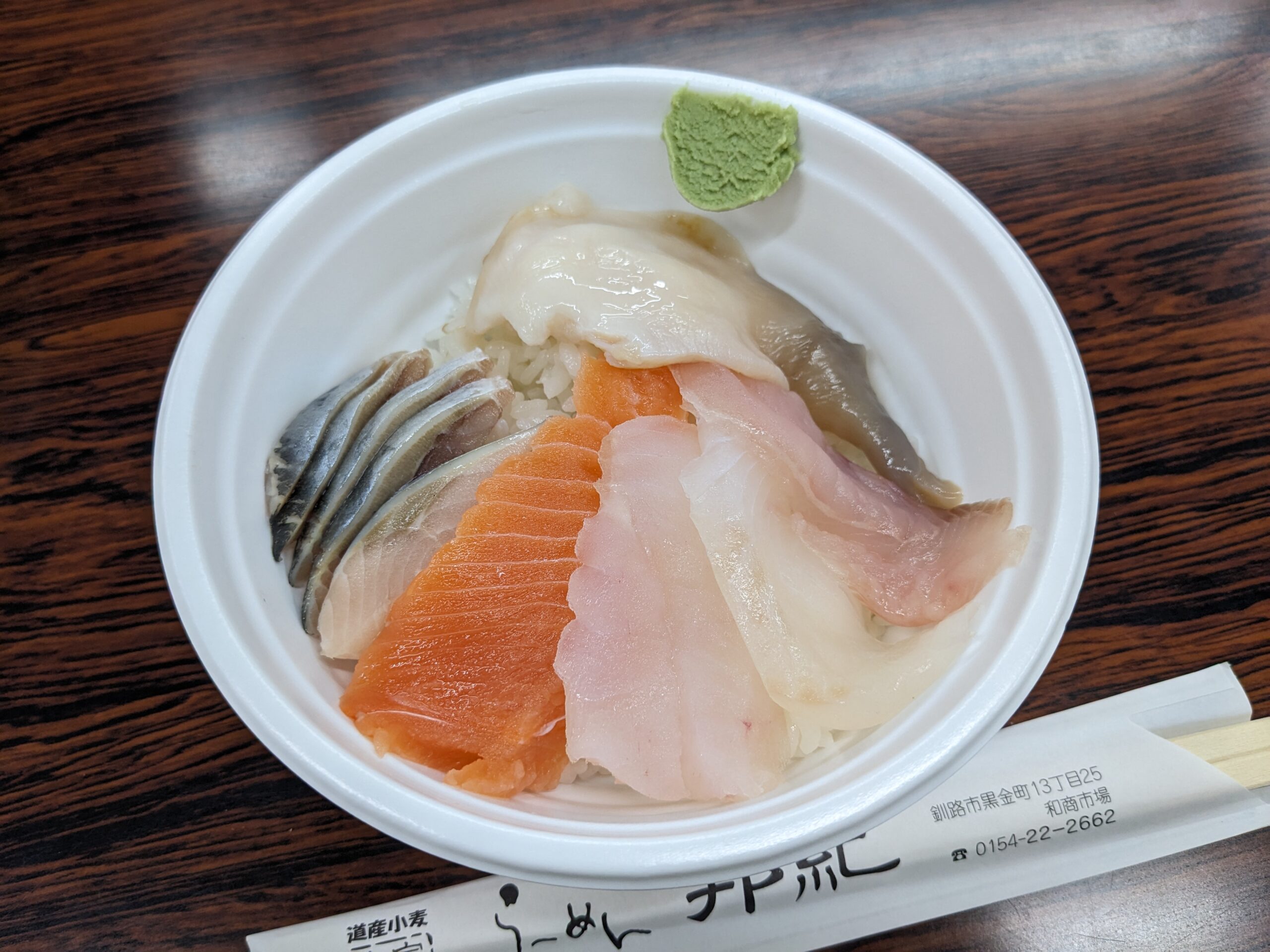
Public market where you can eat seafood caught in the Kushir…
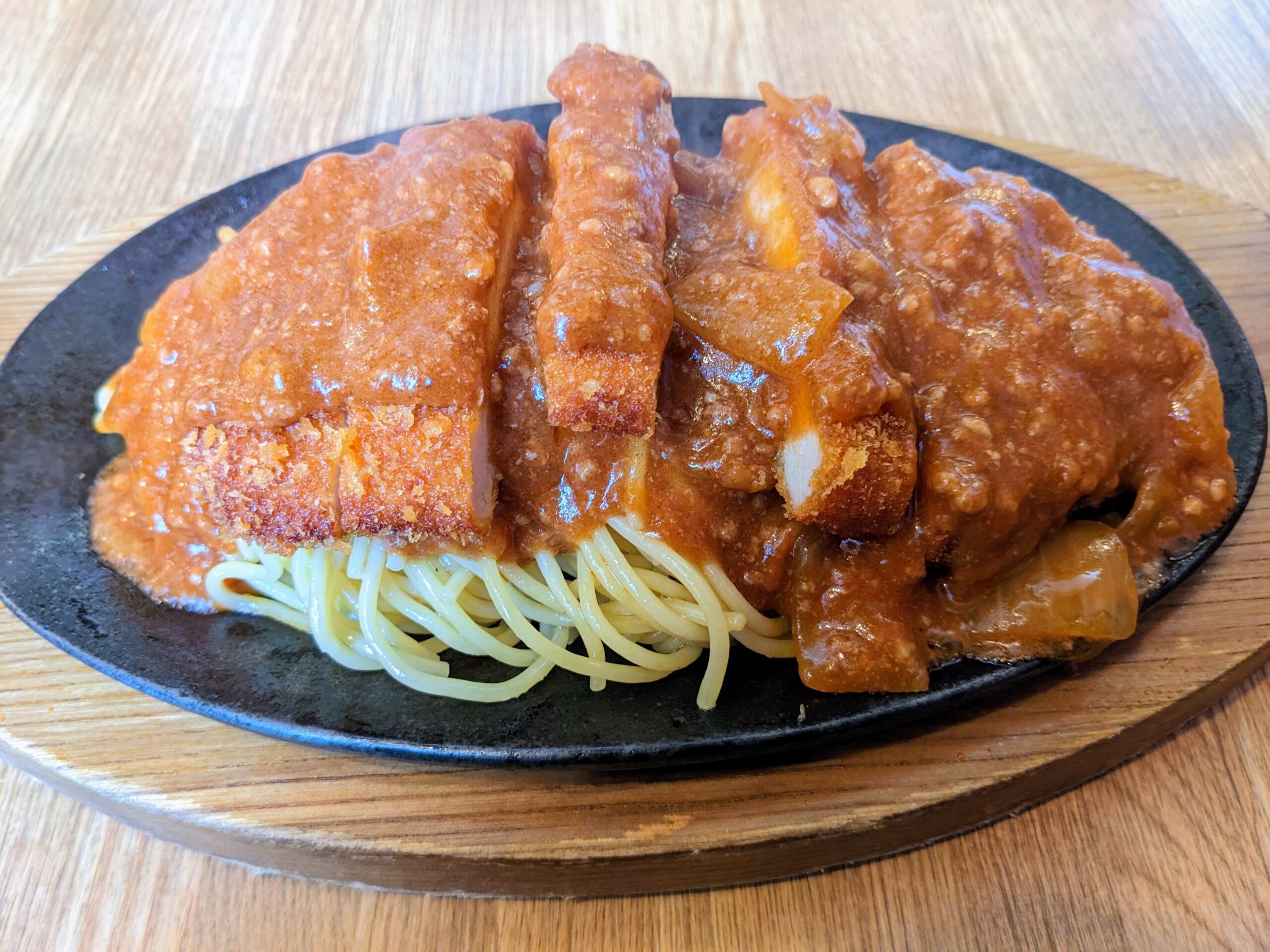
Originator of Kushiro’s local specialty “supakatsu” — spaghe…
Destinations
Things to Do
Plan Your Trip