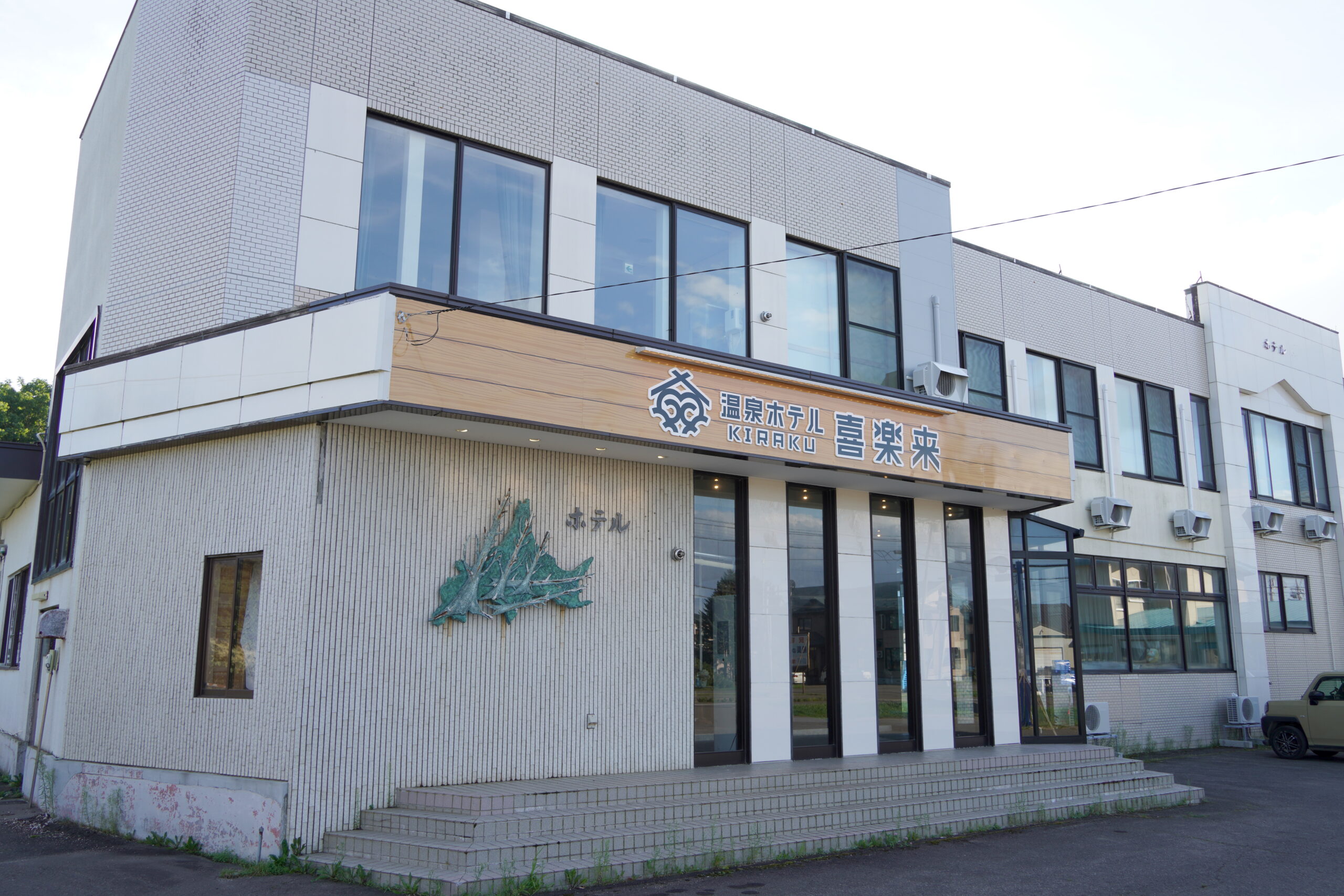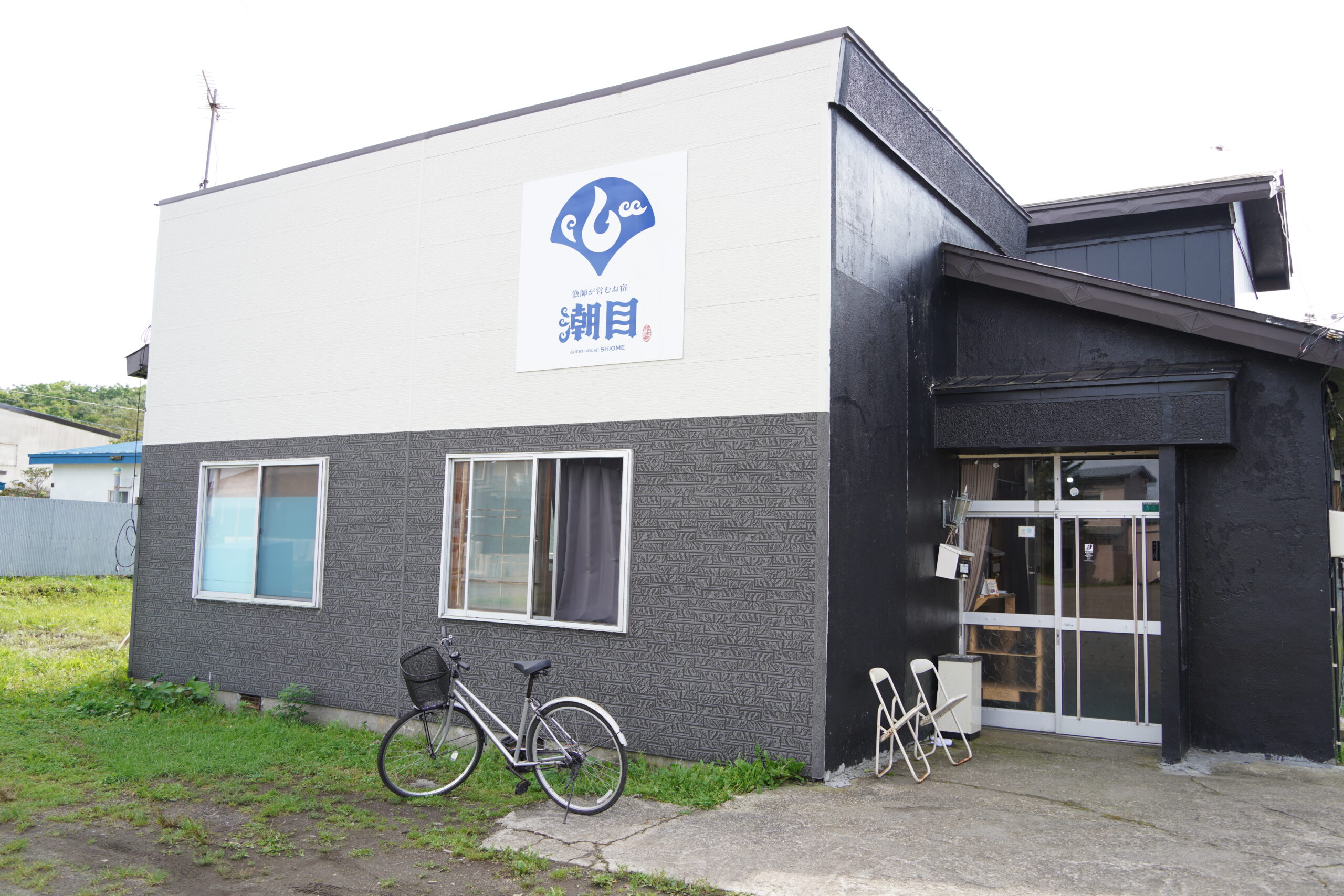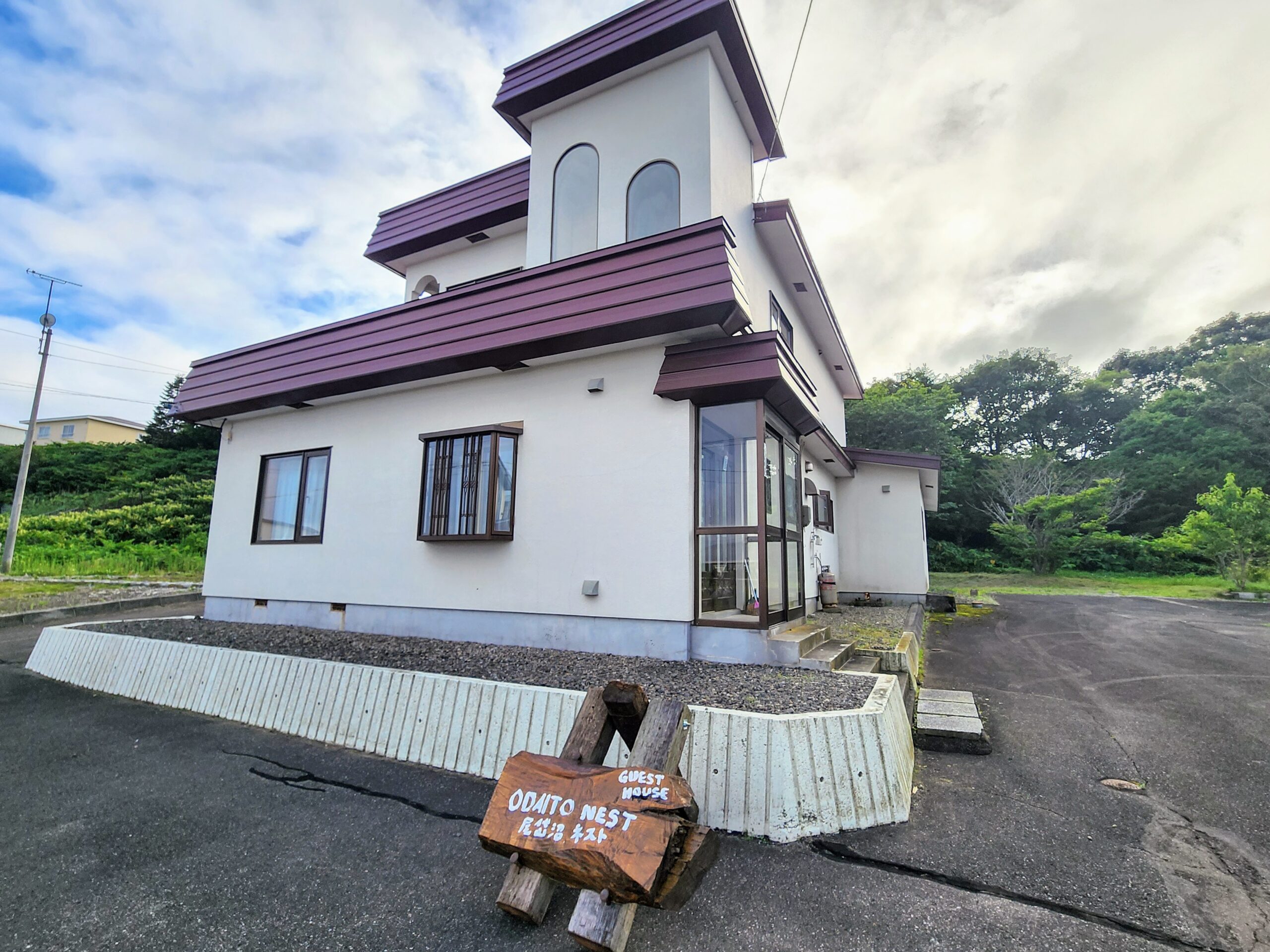
Hotel Kawabata
Onsen hotel with sodium-chloride hot springs and an open-air bath. Known for regional cuisine highlighting fresh seafood from Shibetsu and simple Japanese- and Western-style rooms.
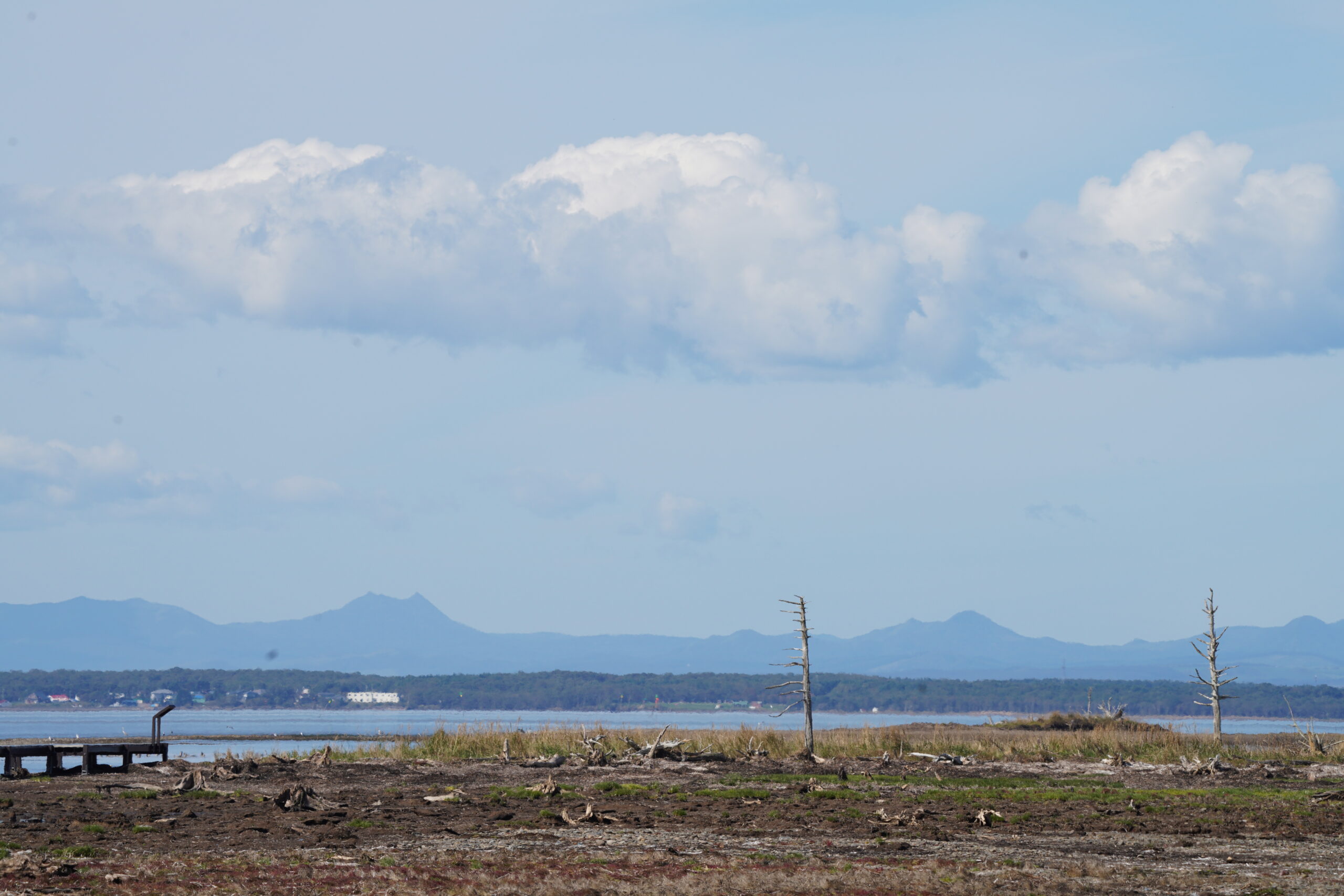
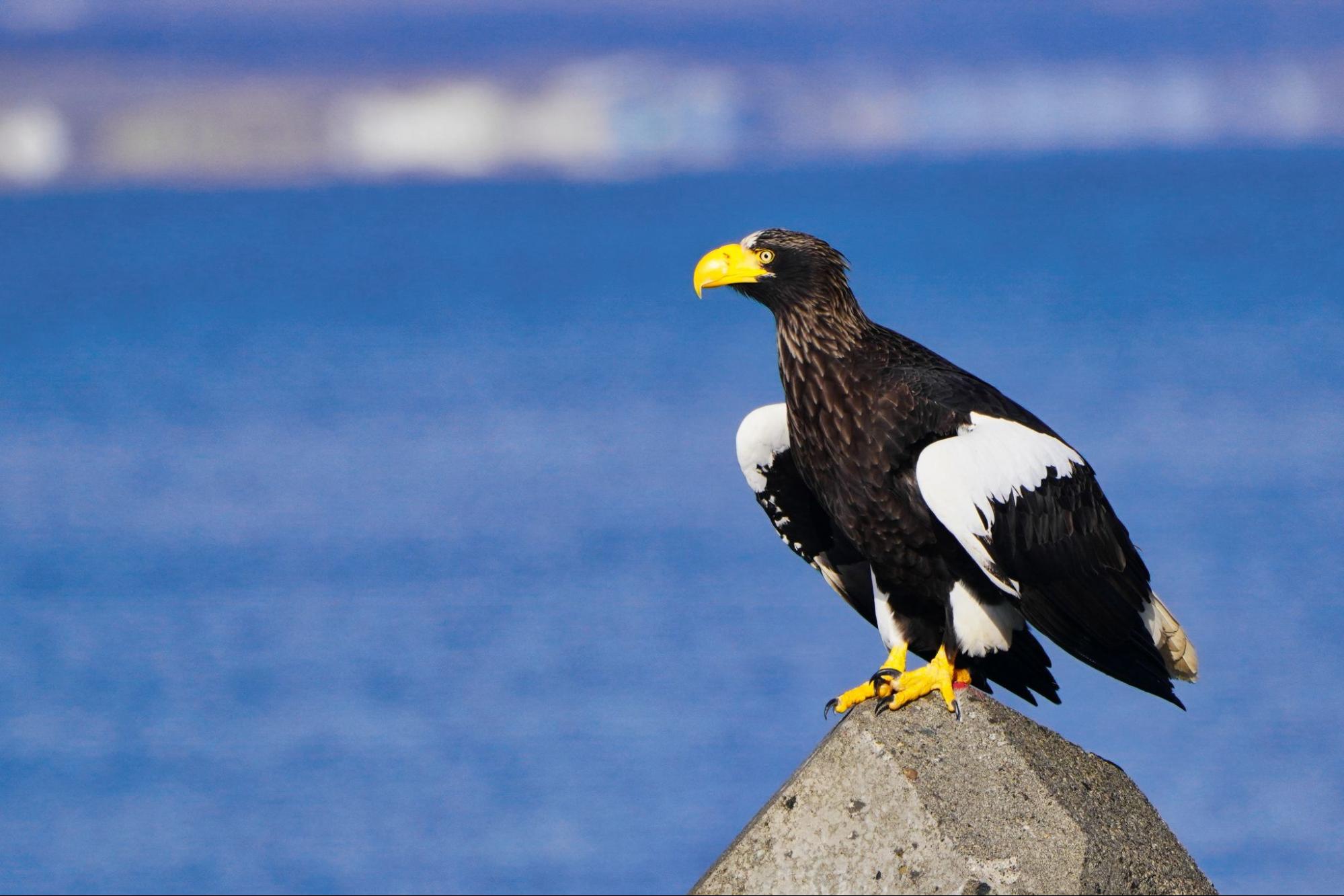
Notsuke-Furen Prefectural Natural Park encompasses a rich mosaic of wetlands, forests, and grasslands, including the Notsuke Peninsula, Lake Furen, Odaito, Shunkunitai, and Onneto Marsh. Covering approximately 11,692 hectares, the park provides critical habitat for numerous rare and migratory birds—such as white-tailed eagles, Steller’s sea eagles, red-crowned cranes, brent geese, whooper swans, and spotted redshanks. In the wetlands and around the lakes, you can also find unusual alpine plants that typically grow only at high altitudes, making the area a popular destination for birdwatching and botany enthusiasts alike.
Currently designated as a Hokkaido Prefectural Natural Park, it is undergoing preparations to be recognized as a national Quasi-National Park by 2030—a reflection of its ecological significance and strong local conservation efforts. To the north lies Shibetsu, a town facing the Sea of Okhotsk, while to the south is Nemuro, a coastal city on the Pacific. Shibetsu is known for its expansive dairy farms, the Shibetsu River, and historic ties to salmon fishing. In contrast, Nemuro features a cool subarctic climate, with average summer temperatures around 18°C, and is home to alpine flora growing at just 80 meters above sea level—an ecological rarity.
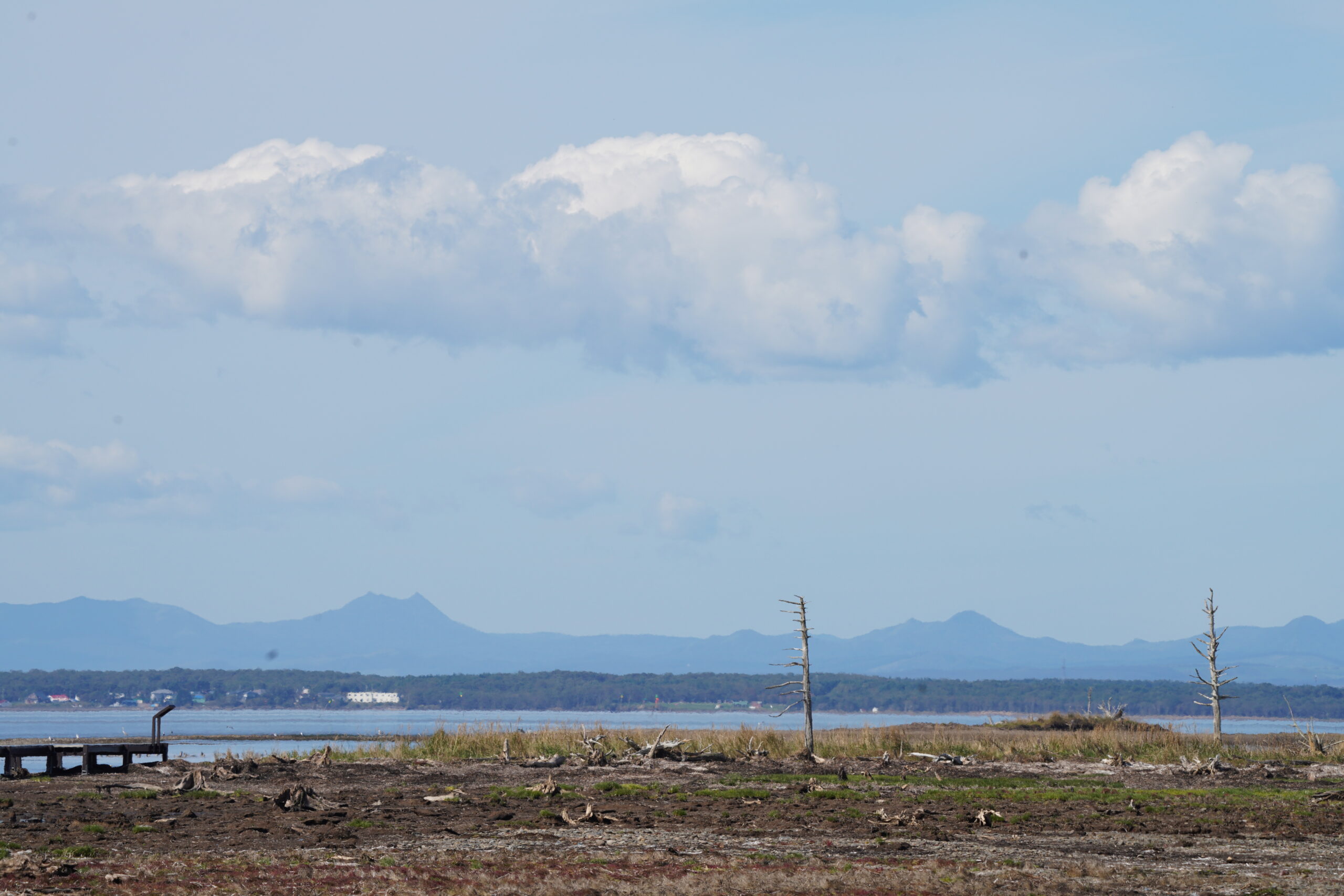
Notsuke Peninsula is Japan’s largest sand spit, stretching roughly 26 km into the sea. It is designated as a Ramsar Wetland and features vast eelgrass beds inside Notsuke Bay that support a thriving aquatic food chain. These nutrient-rich waters attract fish, shellfish, insects, and the birds that prey on them, creating a diverse and dynamic ecosystem.
The peninsula offers a variety of habitats—grasslands, saline marshes, and coastal forests—each with distinct flora adapted to unique soil conditions. In summer, the landscape bursts into color as seasonal wetland and alpine flowers bloom along the trails. The area is also internationally recognized among birdwatchers as a haven for rare species such as red-crowned cranes, Steller’s sea eagles, white-tailed eagles, spotted redshanks, and brent geese.
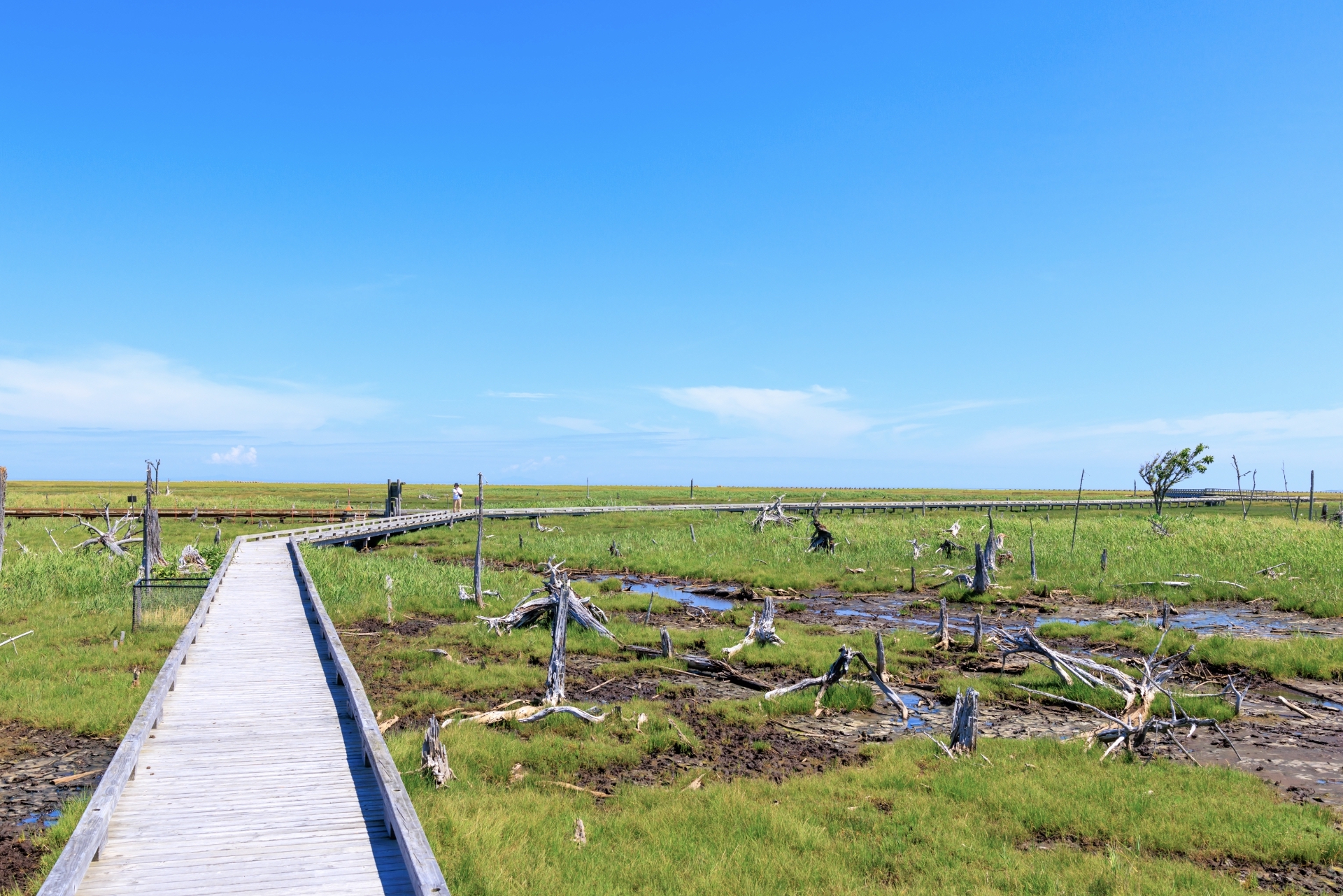
Two symbolic landscapes—Todowara, a ghostly forest of withered Sakhalin firs, and Narawara, a stand of dead mizunara oaks—offer stark reminders of how shifting land levels and saltwater intrusion are transforming this fragile environment.
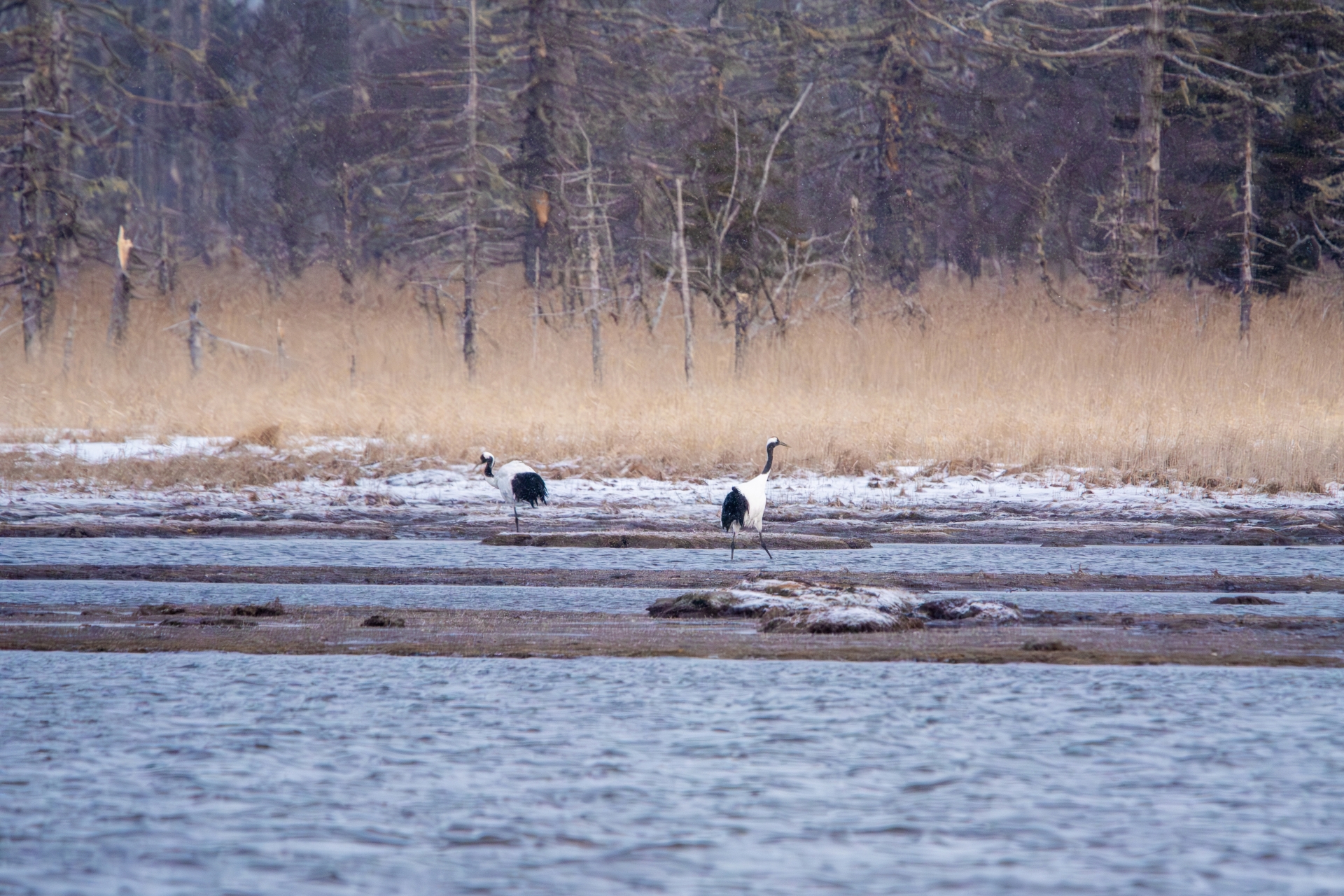
Separated from Nemuro Bay by a long sandbar, Lake Furen is a large brackish lake covering around 5,600 hectares. The mix of freshwater and seawater creates a uniquely rich habitat. Wetlands, grasslands, sand dunes, and forests surround the lake, offering exceptional biodiversity.
Designated as a Ramsar Wetland in 2005, the lake is a globally important site for migratory birds. In spring and autumn, waders and plovers stop here during migration. In winter, rare raptors like Steller’s sea eagles and white-tailed eagles gather around the unfrozen shoreline.
Shunkunitai is an 8 km-long sandbar stretching between Lake Furen and Nemuro Bay. Together with the lake, it was designated a Ramsar Wetland in 2005. The area features a rare natural gradation of coastal environments—beaches, salt marshes, grasslands, and forests arranged in parallel bands.
From late June to August, blooming rugosa roses color the dunes. The site also holds one of the world’s few natural coastal forests of Sakhalin spruce growing on sand dunes. Over 280 species of birds have been recorded here. Red-crowned cranes and white-tailed eagles breed in the area, while in winter, Shunkunitai becomes a major roosting ground for Steller’s sea eagles.
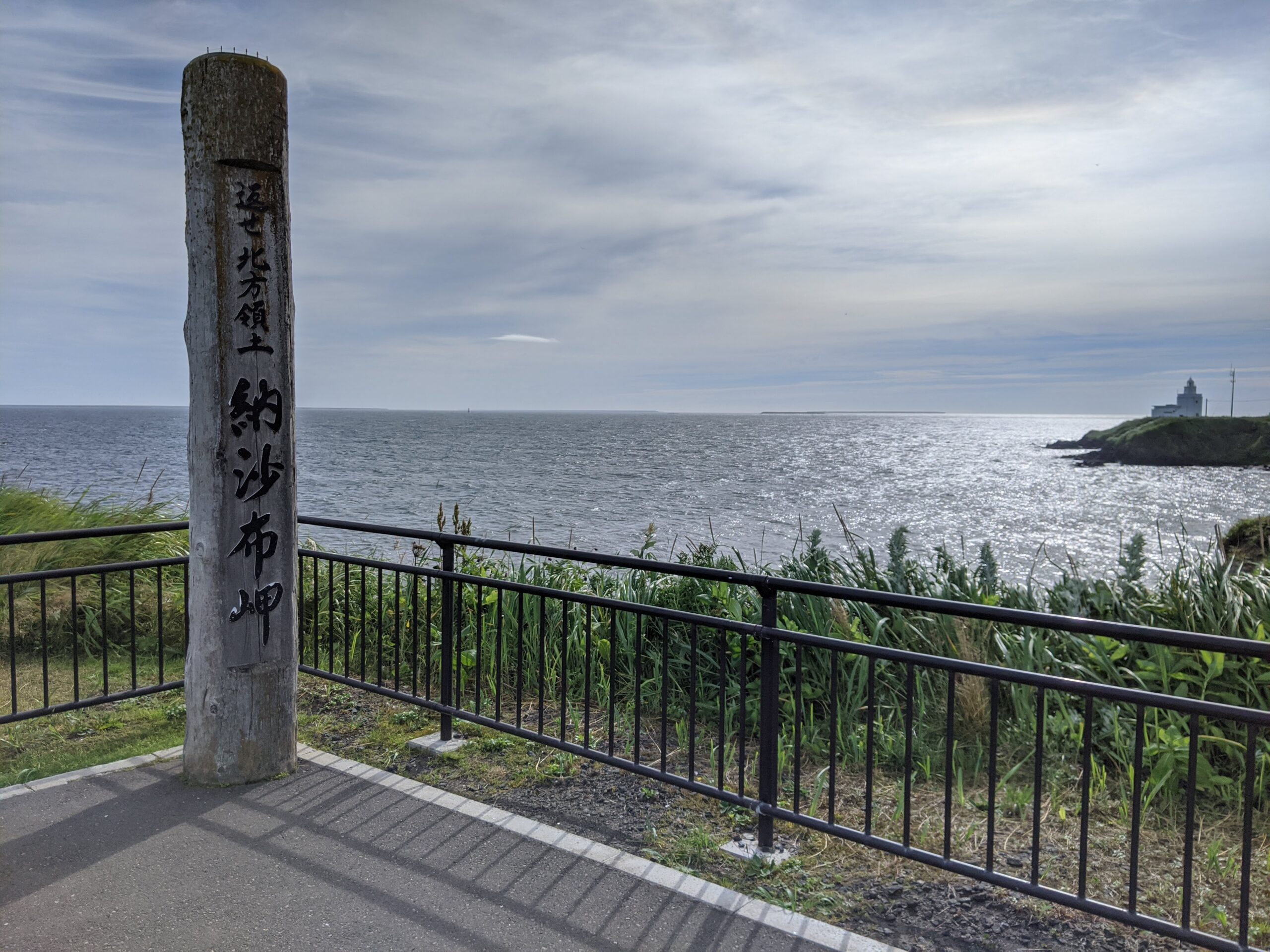
Cape Nosappu is the easternmost point of mainland Japan, where the Sea of Okhotsk meets the Pacific Ocean. At its tip stands Japan’s oldest Western-style lighthouse, guiding ships since 1872. On clear days, visitors can see the Habomai Islands—including Kaigara Island and Suisho Island—which are part of the disputed Northern Territories.
The cape offers dramatic ocean vistas, and wildlife sightings are common. You may spot seals and sea otters offshore, and in winter, drift ice can be seen floating in from the north.
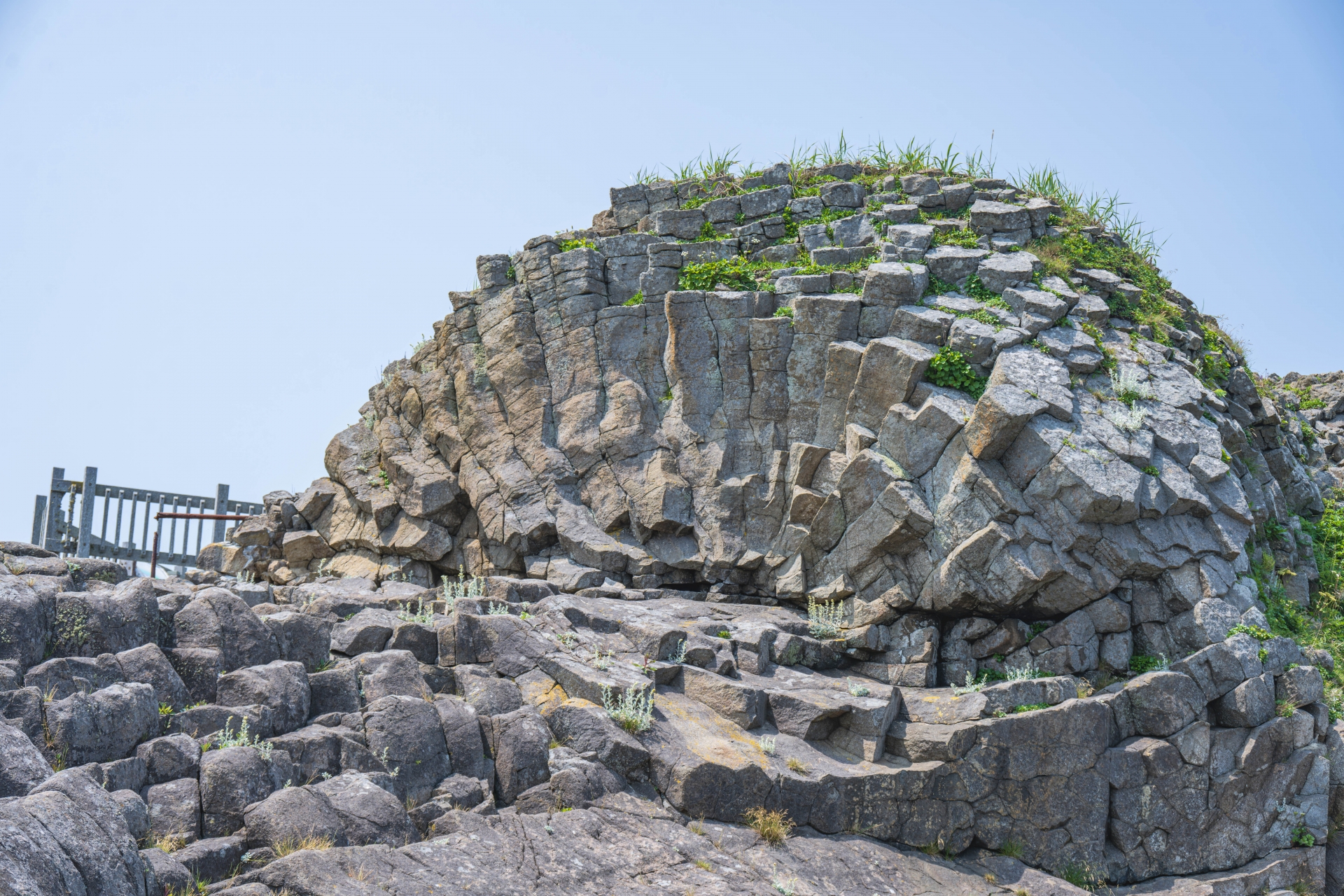
Located beneath the cliffs of Cape Hanasaki, the Kurumaishi is a rare volcanic rock formation shaped like a giant wheel. Designated a Natural Monument of Japan, it was formed when underground magma rapidly cooled and cracked into radial patterns known as columnar joints.
The largest of these rocks has a diameter of over six meters—one of the world’s most striking examples of this geological phenomenon. A walking path around the site allows you to explore not only the Kurumaishi but also other formations like vertical and plate-like joints, making it a fascinating stop for geology and nature lovers.
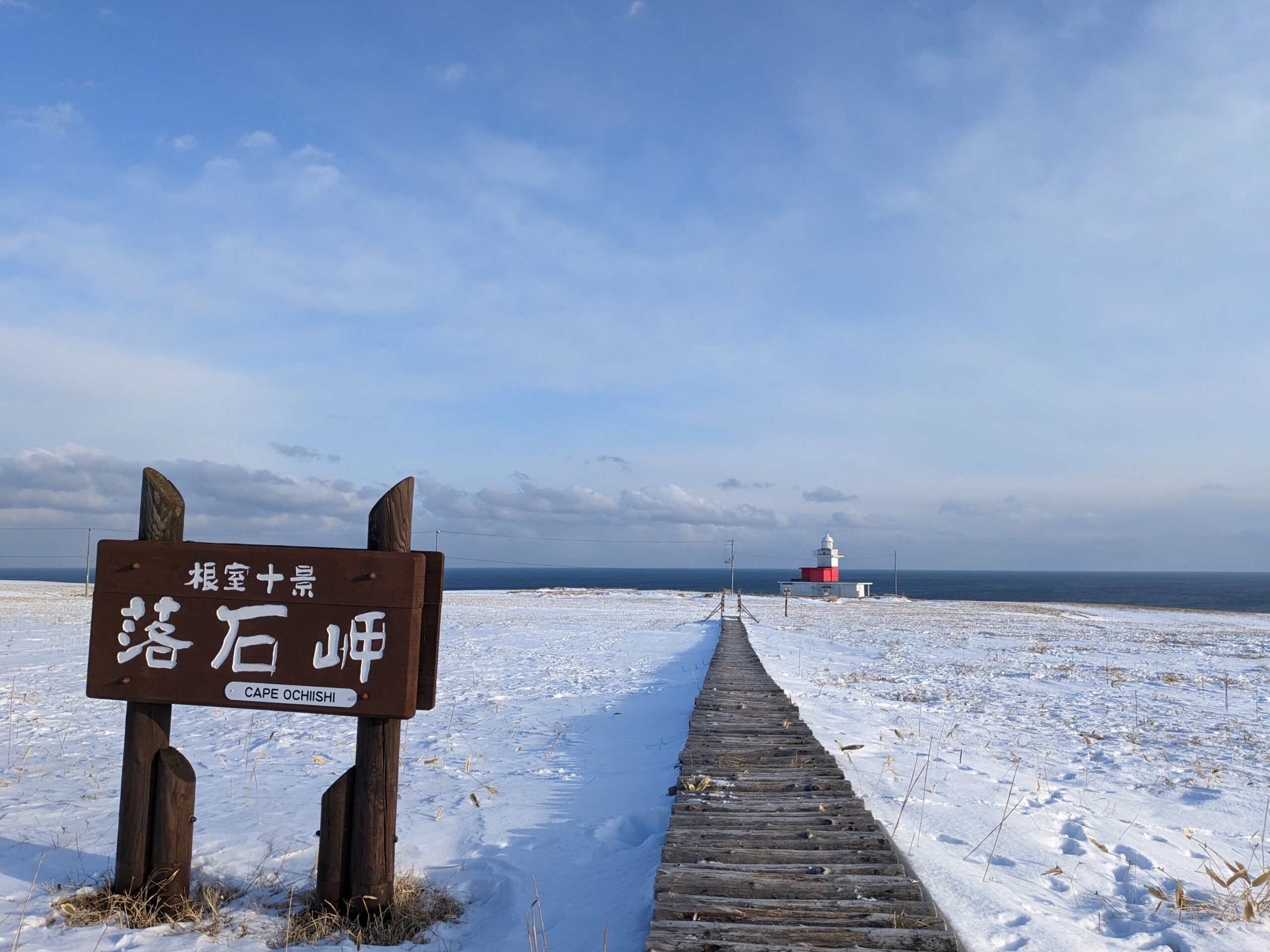
Cape Ochiishi juts out into the Pacific and is known for its dramatic cliffs and expansive highland meadows. Inland from the coast lies a natural forest of Sakhalin spruce, and the trail to the lighthouse takes you through a quiet moss-covered woodland of ferns and lichen.
In June, the trail bursts into color with blooming Sakai azaleas—a species endemic to this cape and found nowhere else in Japan. Listed as a Natural Monument, these rare purple flowers attract plant lovers and photographers alike during their short flowering season.

A local restaurant serving traditional dishes made with Shib…
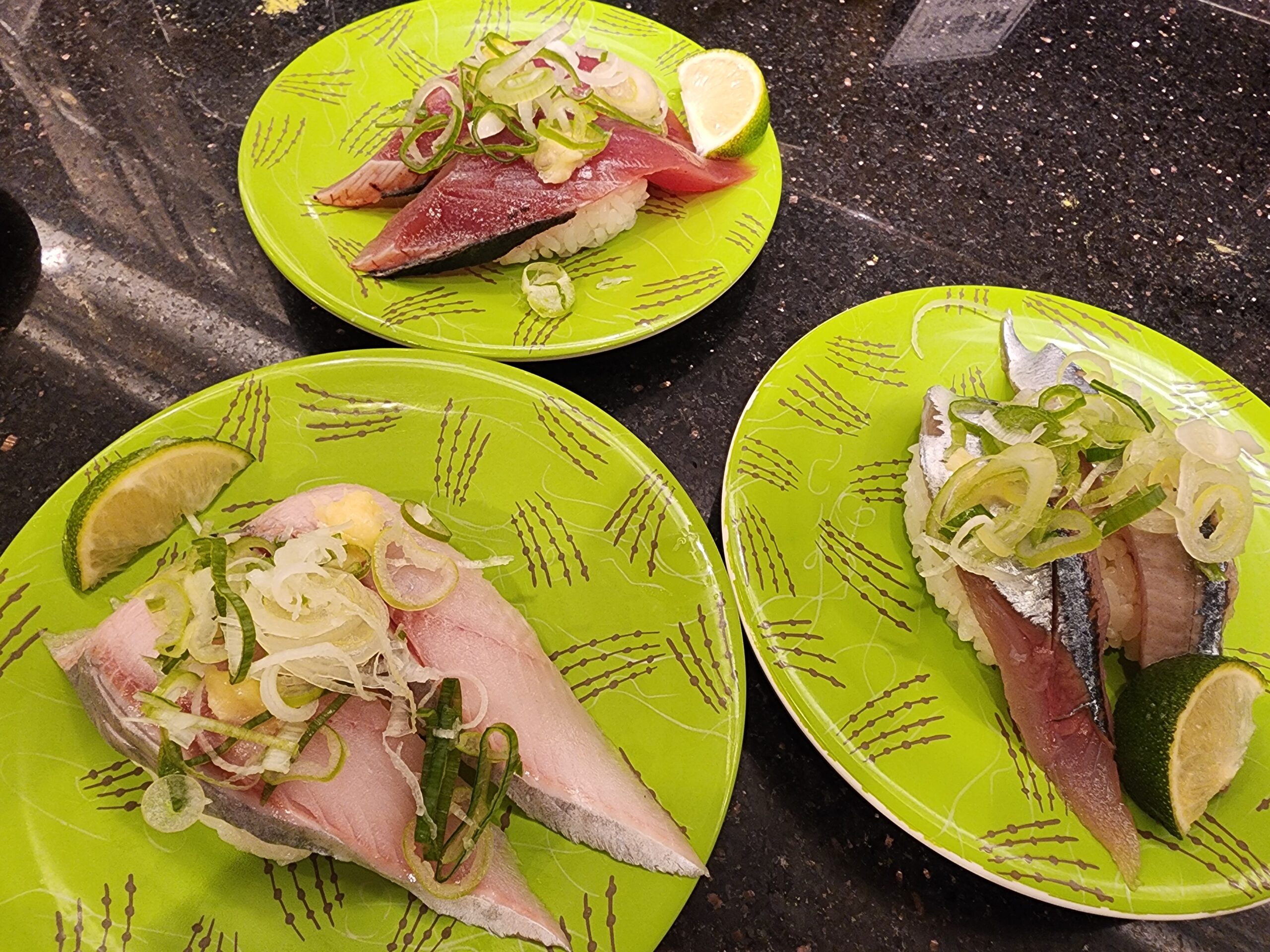
A popular kaiten sushi spot known for generous cuts of fresh…

Restaurant serving various Nemuro local specialties, includi…
Destinations
Things to Do
Plan Your Trip