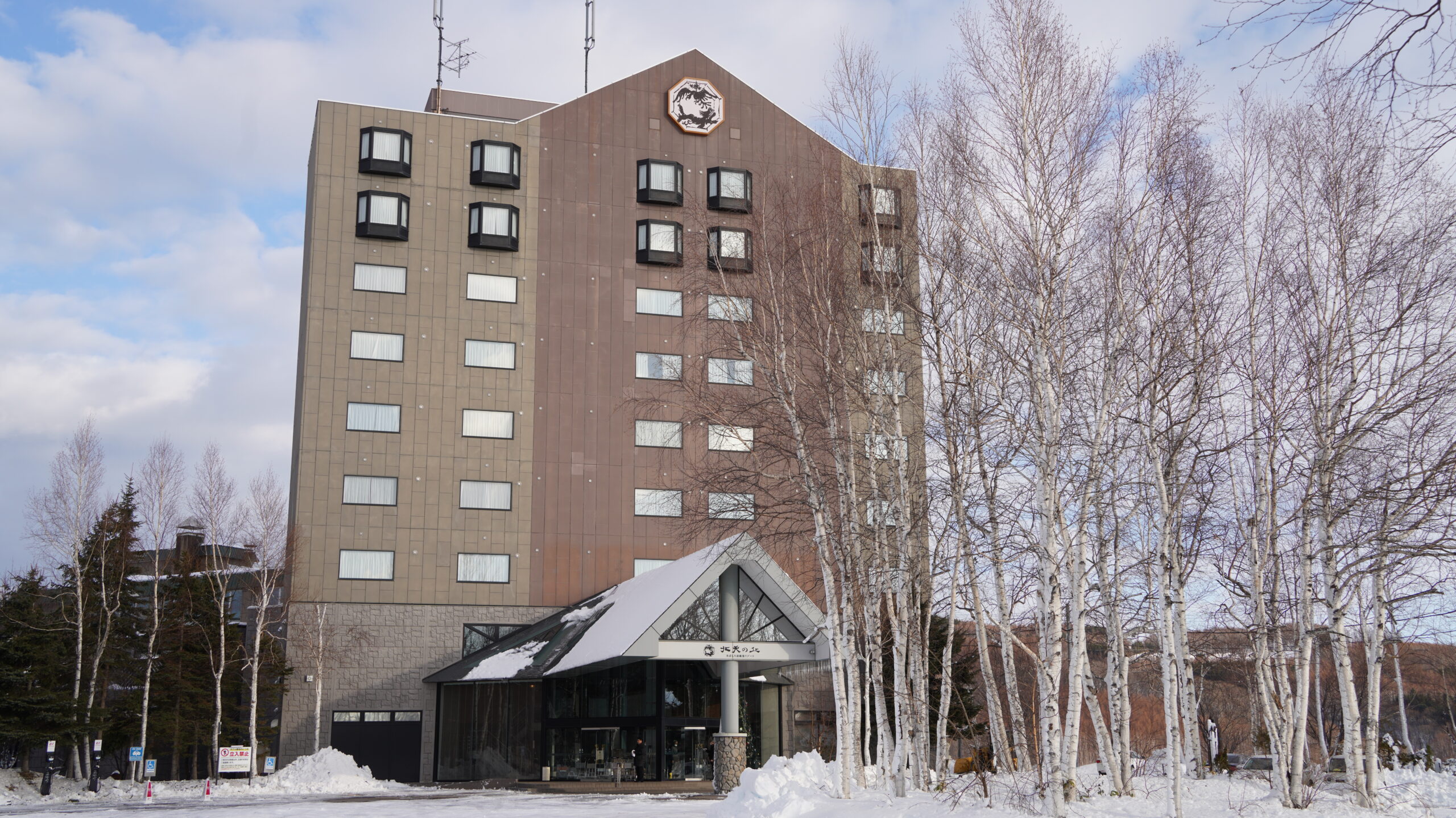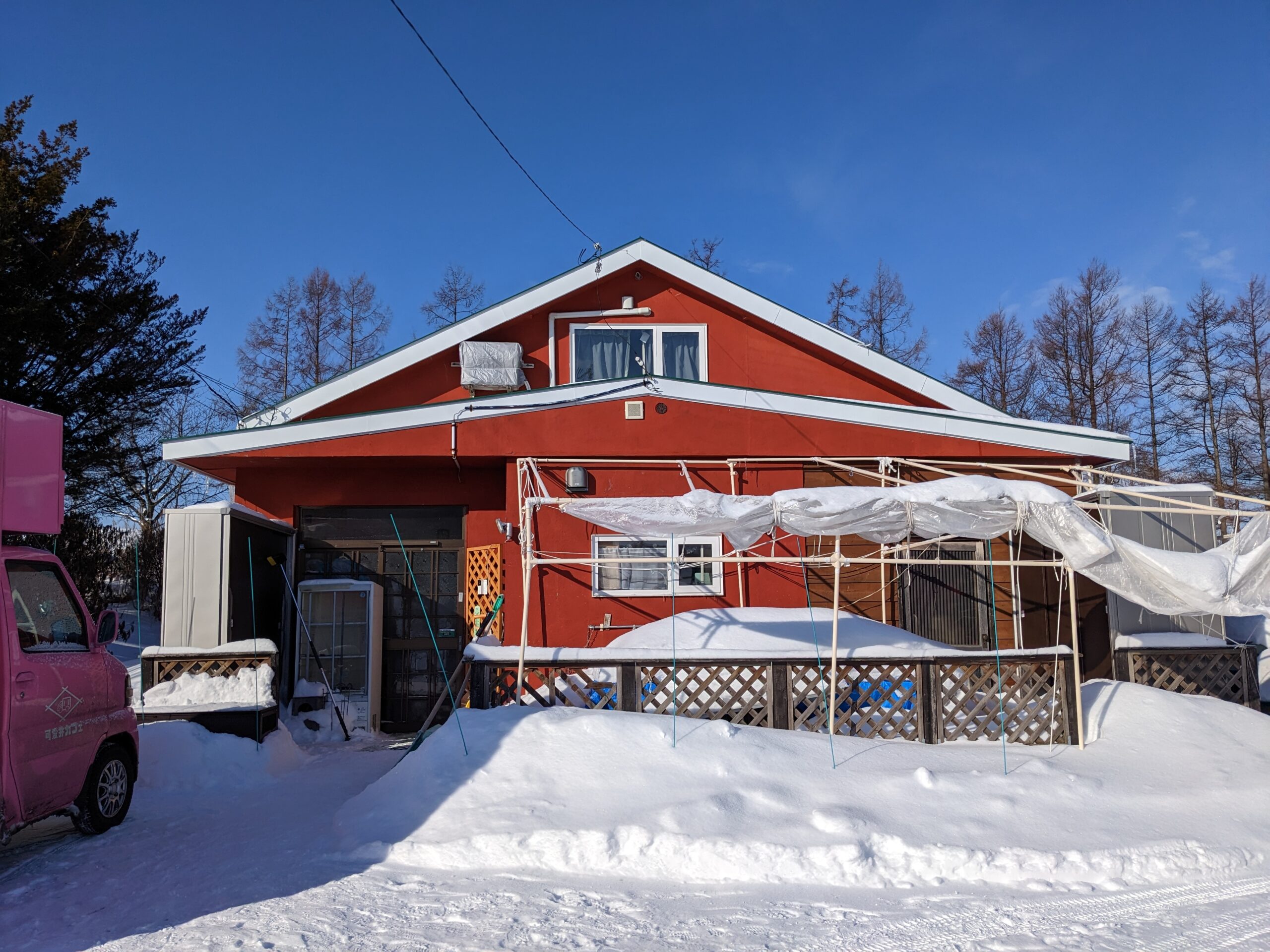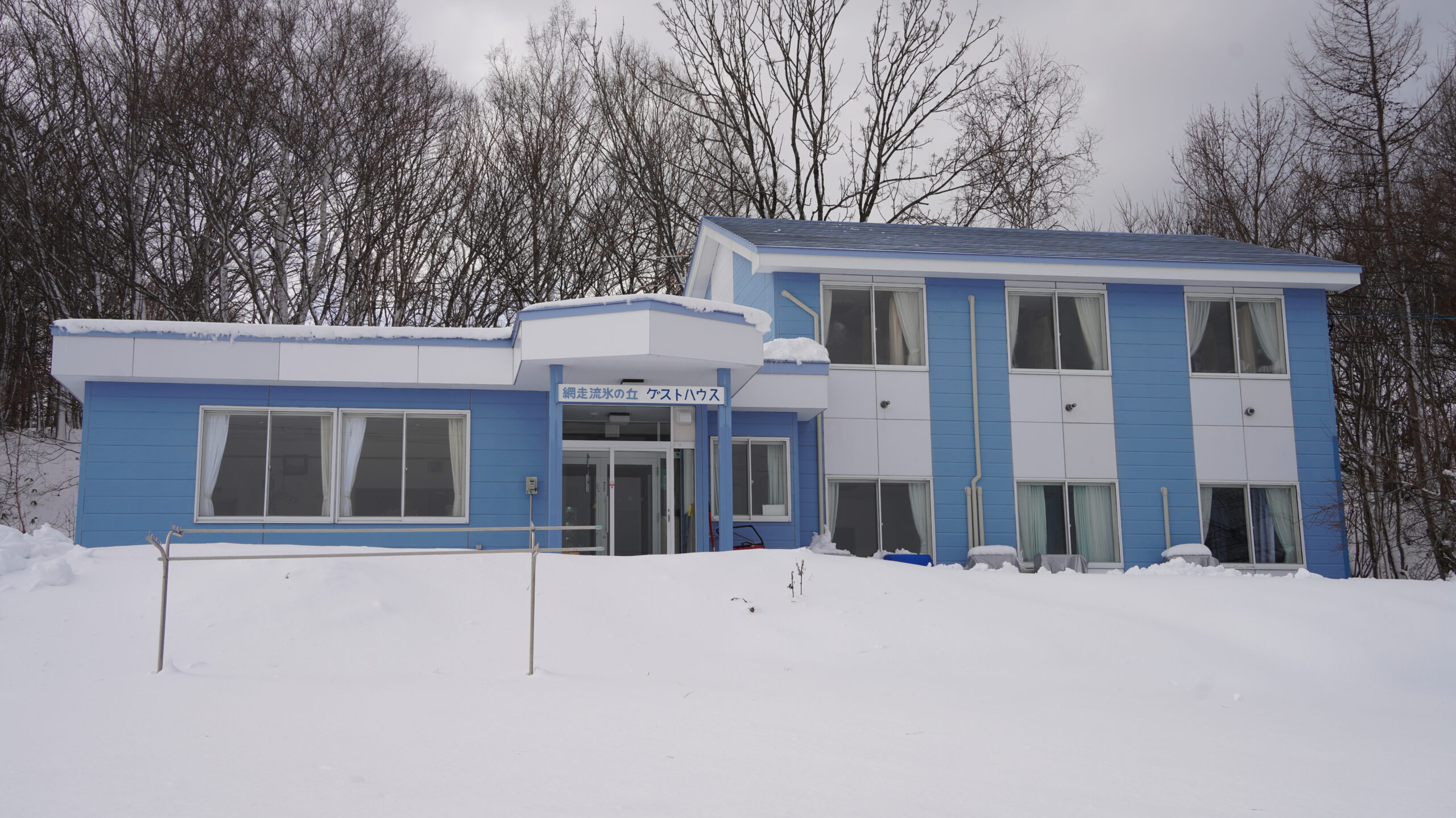
Abashiri Kanko Hote
Hotel on a hill overlooking Lake Abashiri with a large hot-spring bath (including open-air) and restaurant. Guest rooms include Western and Japanese styles with lake views.
Centered around a series of coastal lakes—including Lake Saroma, Lake Notoro, Lake Abashiri, and Lake Tofutsu—Abashiri Quasi-National Park offers a unique landscape of wetlands and water bodies. Lake Tofutsu is a registered Ramsar wetland, known for its ecologically rich environment. The park borders the Sea of Okhotsk and features a varied terrain of sand dunes, grasslands, and rolling hills.
The park’s appeal shifts with the seasons. In spring and fall, migratory birds such as whooper swans, ducks, and shorebirds flock to the lakes to rest. Summer brings vibrant wildflowers to the grasslands, painting the scenery with shades of yellow, purple, and pink. In winter, drift ice covers the Sea of Okhotsk, attracting rare raptors like white-tailed eagles and Steller’s sea eagles, while seals and even sea angels (clione) can sometimes be spotted offshore.
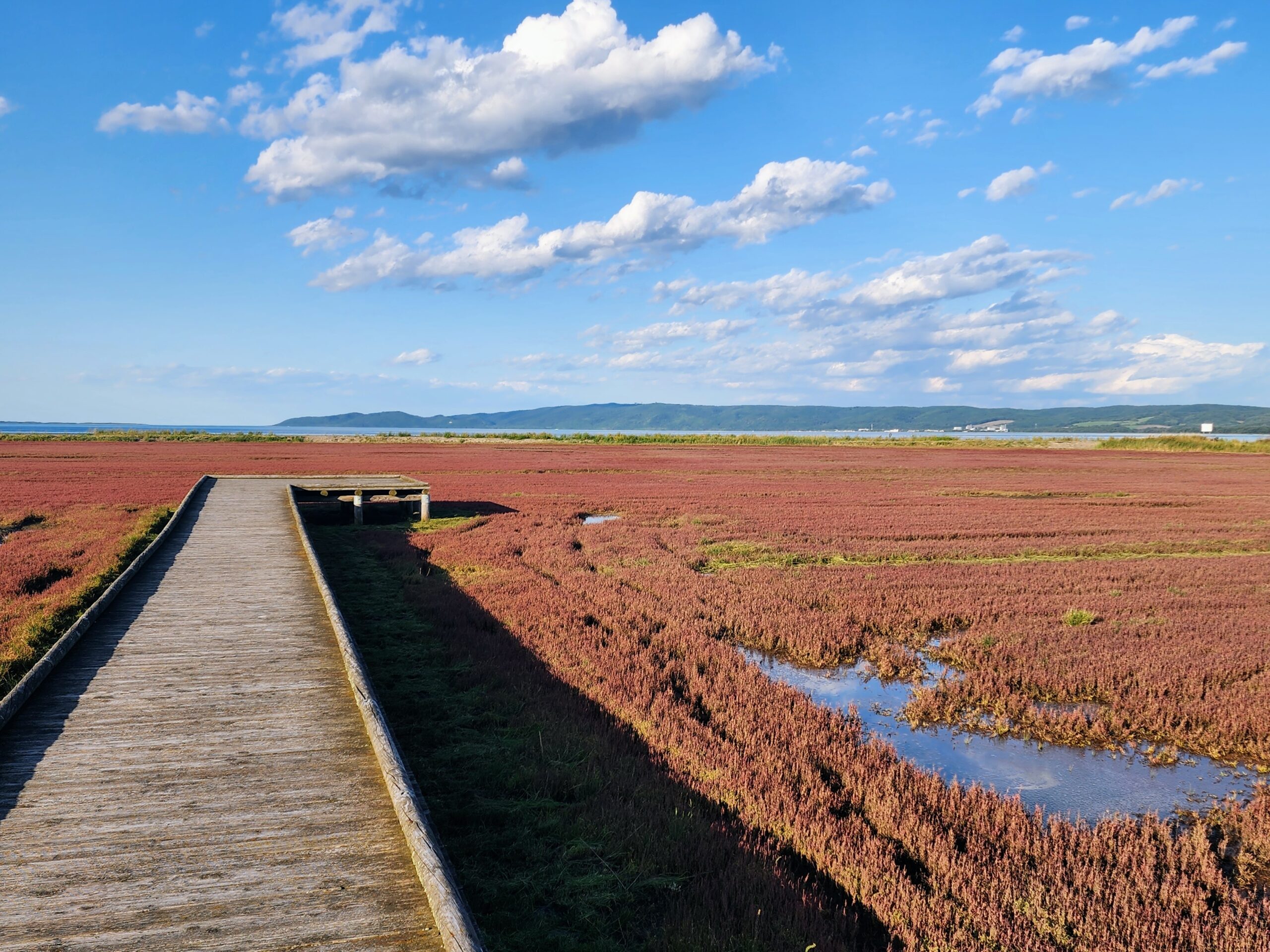
This coastal lagoon spans about 59 km² and is best known for its vibrant coral grass (glasswort), which turns the shoreline vivid red from mid-September to early October. A wooden boardwalk allows you to admire this natural carpet up close. Depending on the season, you can enjoy clam digging in spring and summer, or ice fishing for smelt in winter.
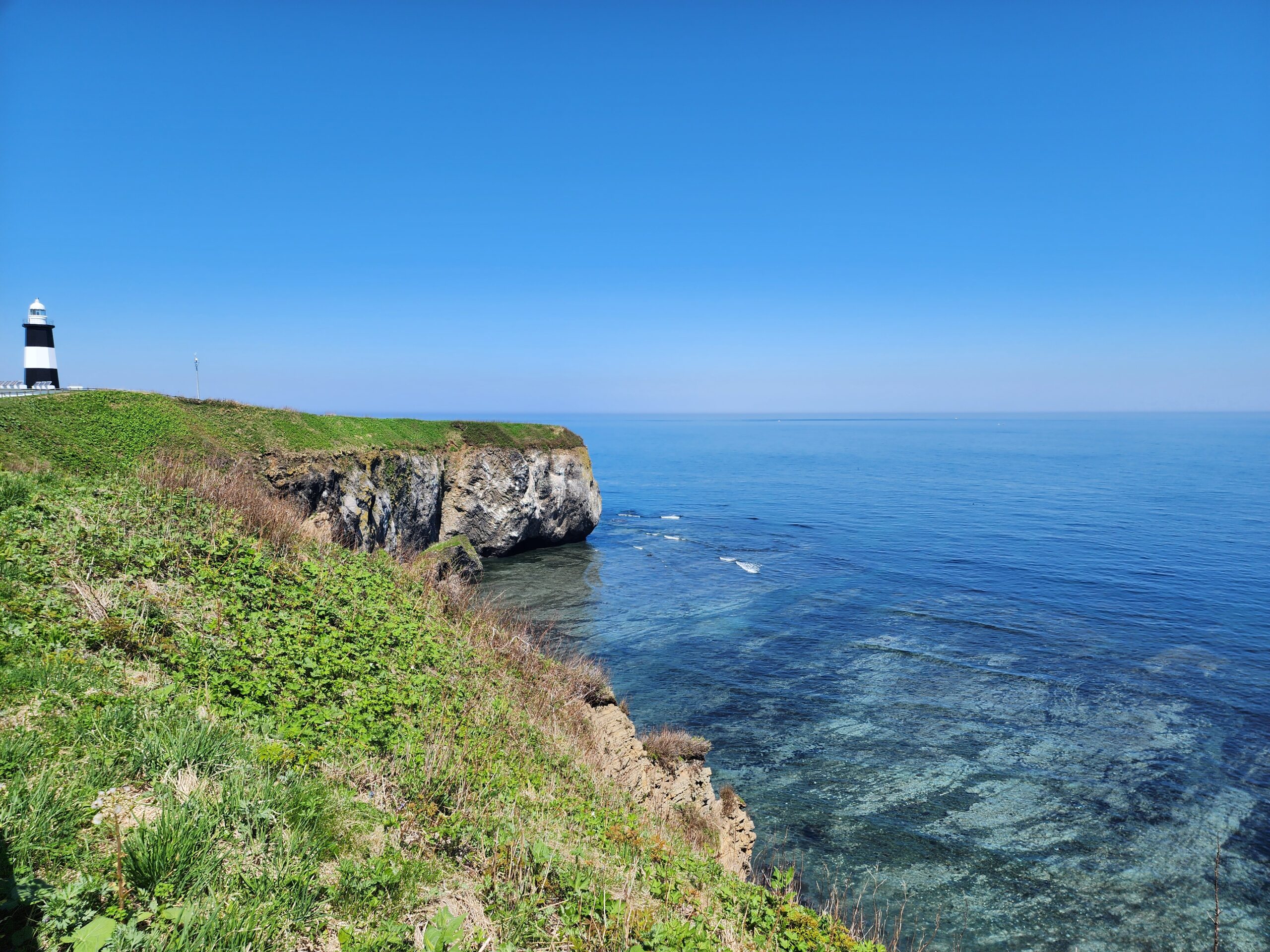
Jutting into the Sea of Okhotsk, this scenic cape features 40–50 meter cliffs, panoramic sea views, and a striking black-and-white striped octagonal lighthouse. On clear days, you can see the Shiretoko mountain range in the distance. The surrounding pastures are home to grazing cows and horses, creating a tranquil rural atmosphere. In winter, drift ice washes up against the cliffs, offering a dramatic seasonal view.
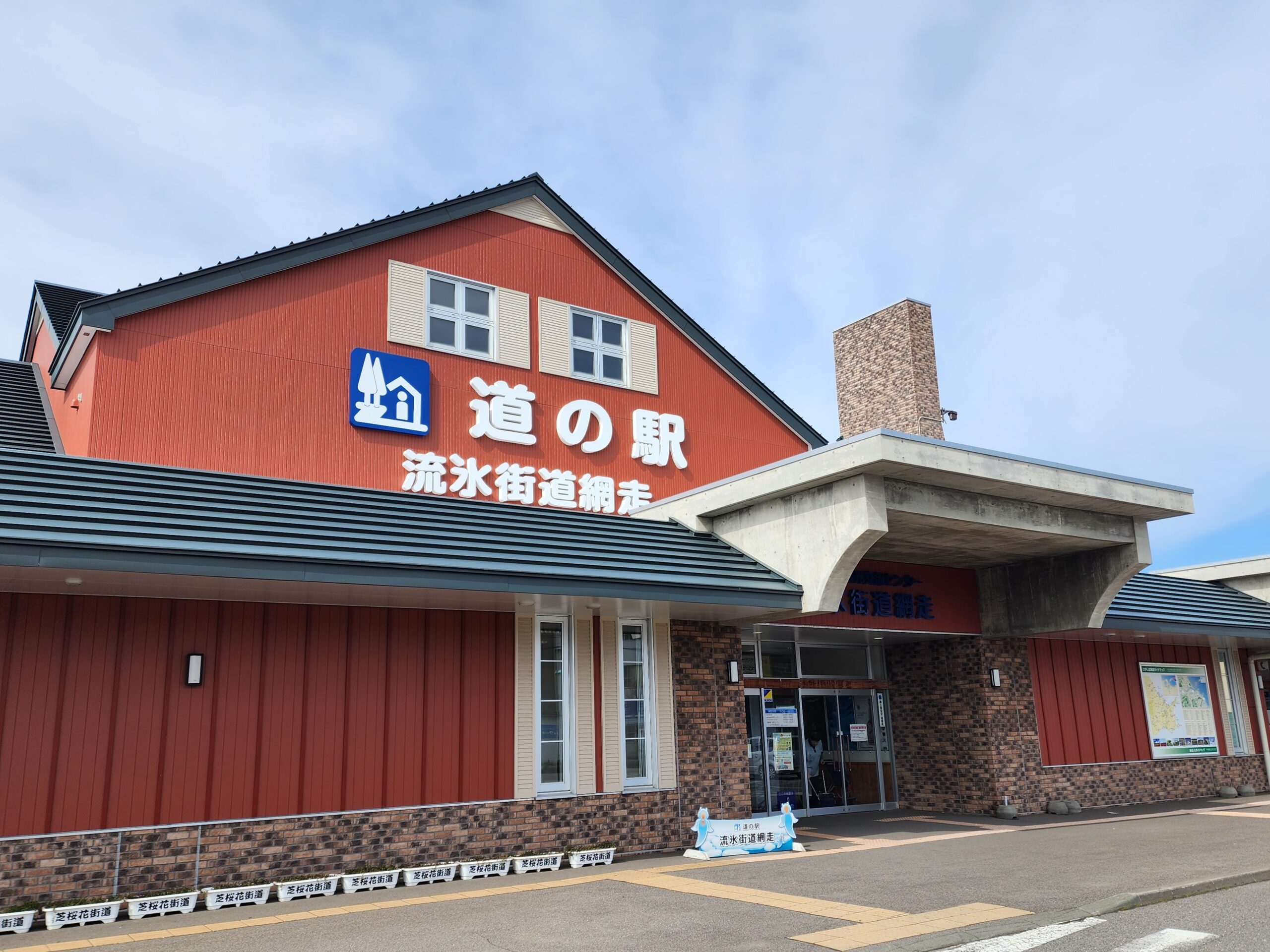
This Michi-no-Eki (roadside station) is a convenient stop for travelers, offering a restaurant with local seafood dishes, a takeout corner, souvenir shops, and tourist information. In winter, it also serves as the boarding point for the Aurora icebreaker cruise.
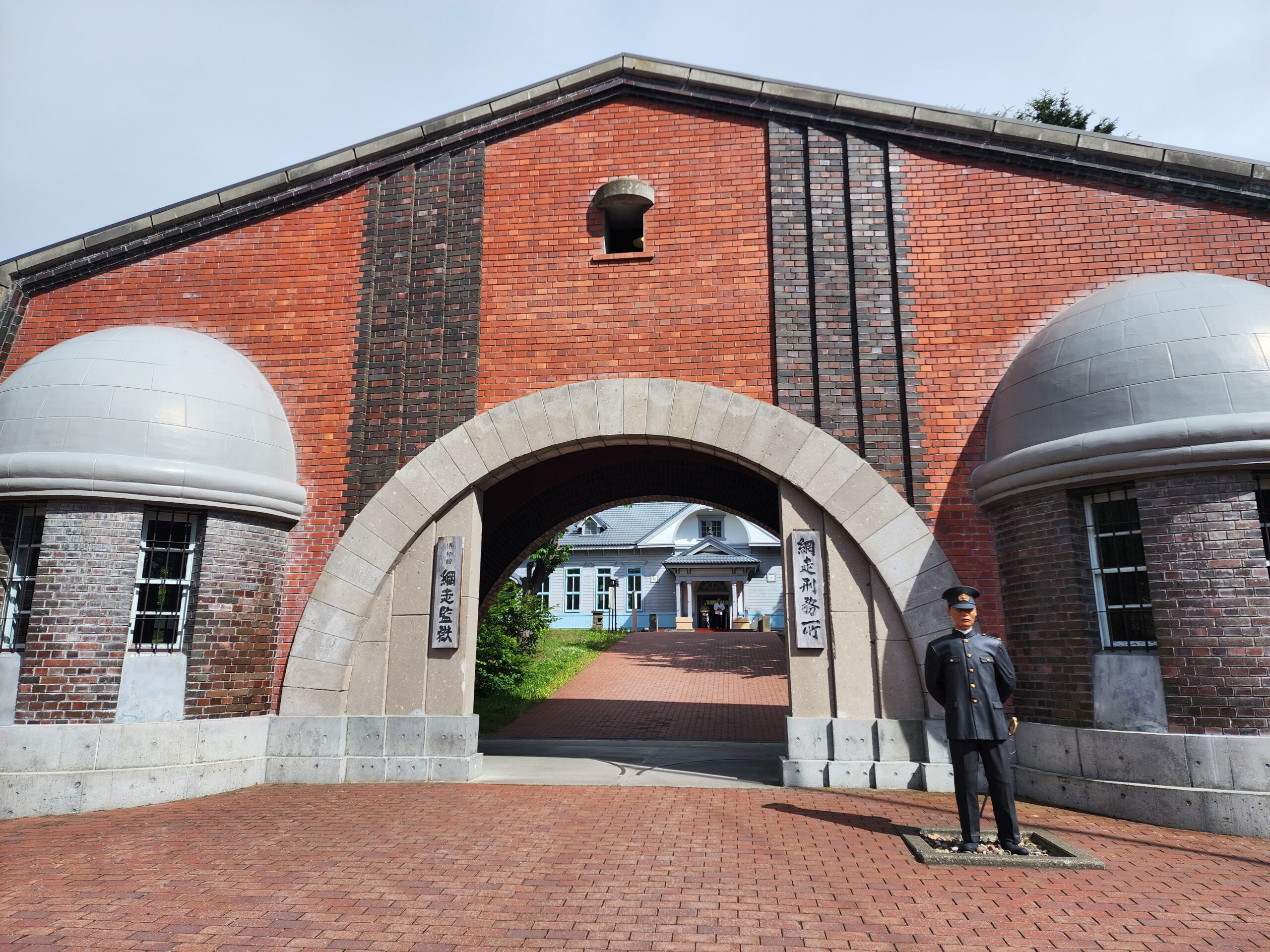
An open-air museum that preserves and reconstructs buildings from the former Abashiri Prison, once used for inmates during Hokkaido’s frontier development era. The five cell blocks arranged in a radial layout are among the world’s oldest wooden prison structures. Wax figures and exhibits portray inmate life and the region’s history. There’s also a restaurant offering meals inspired by prison menus.
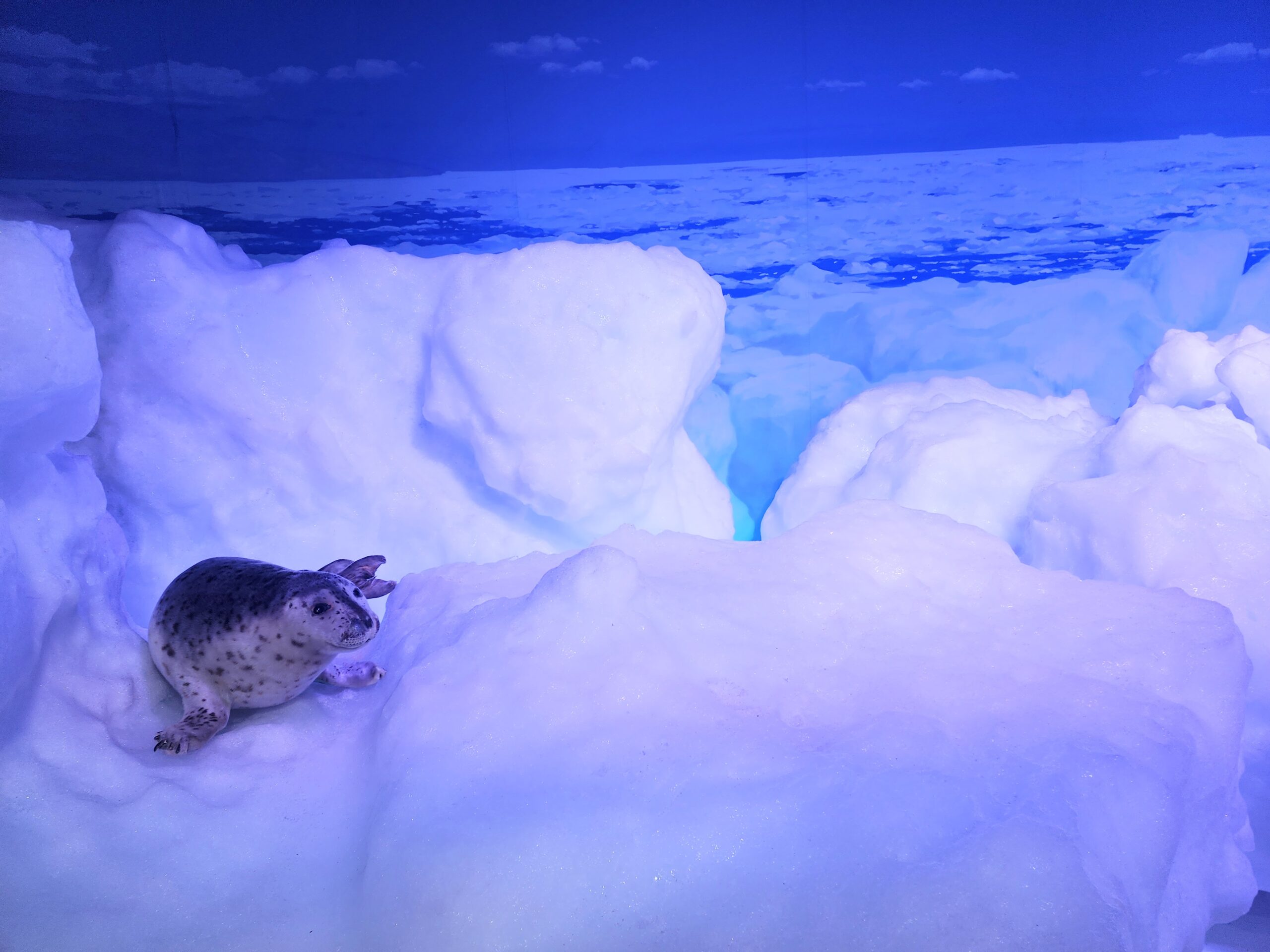
This museum offers interactive exhibits on the Sea of Okhotsk’s ice and marine life. Highlights include live sea angel (clione) displays, a walk-in -15°C cold room with real drift ice, and a multi-screen theater that immerses you in an undersea world. From the rooftop observatory, enjoy sweeping views of Lake Abashiri, Lake Notoro, the Sea of Okhotsk, and even the Shiretoko Peninsula on clear days.

Japan’s only museum dedicated to the cultures of Arctic and sub-Arctic peoples. Exhibits cover the Ainu of Hokkaido as well as the Chukchi, Sami, Inuit, and other Indigenous groups from Russia, Scandinavia, and North America. More than 900 artifacts related to clothing, hunting, rituals, and crafts are displayed. Free multilingual audio guides are available (Japanese, English, Chinese, Korean, Thai).
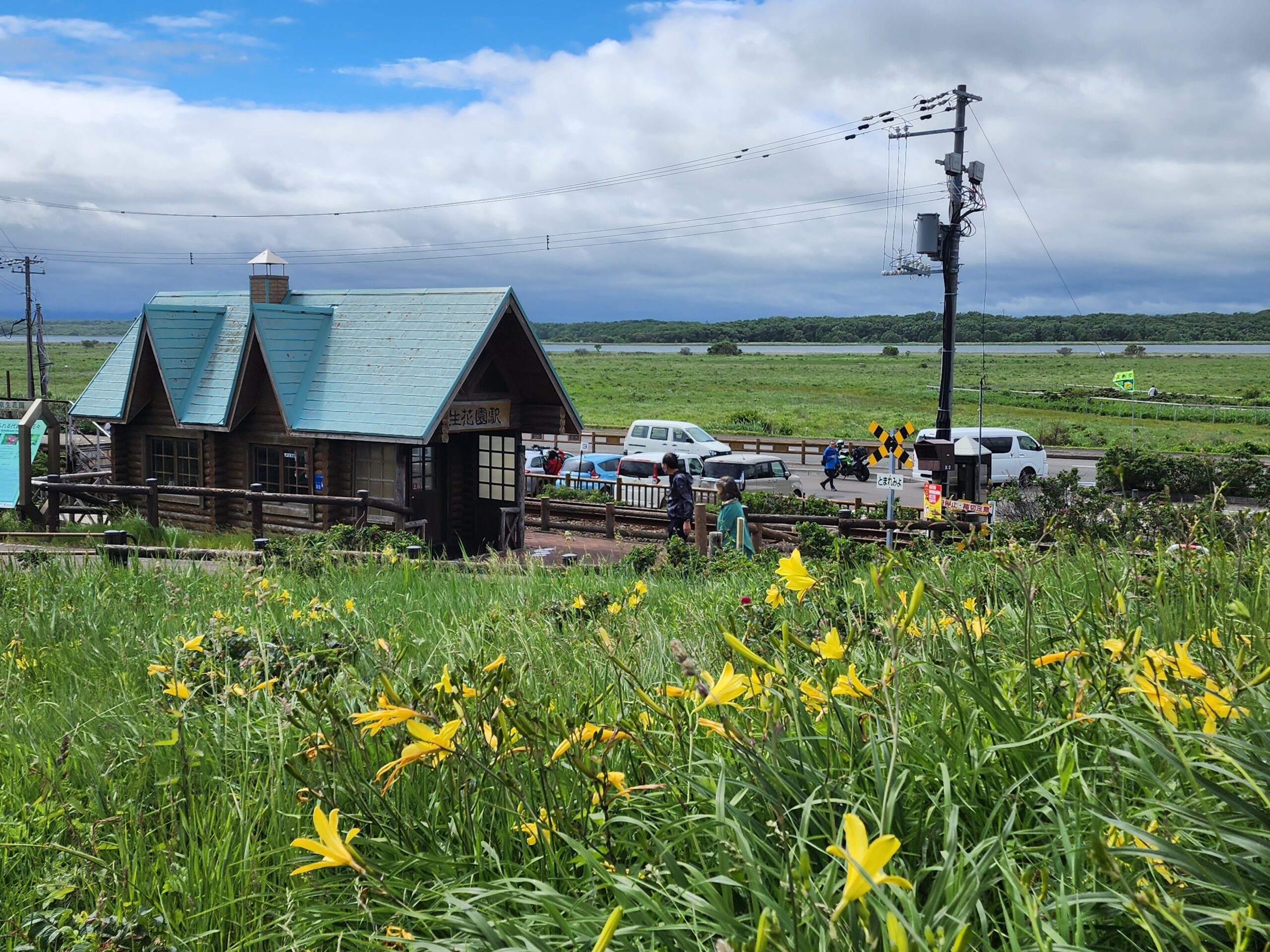
A 1-km-wide, 8-km-long stretch of coastal dunes between Lake Tofutsu and the Sea of Okhotsk. From June to August, over 200 species of wildflowers bloom, including lilies and irises, creating a colorful contrast between the sea and floral meadows. Rare and endangered plants like Ezo-himeamana and Akkeshi-sou also grow here. During summer, the seasonal Genseikaen Station on the JR Senmo Line provides direct access.
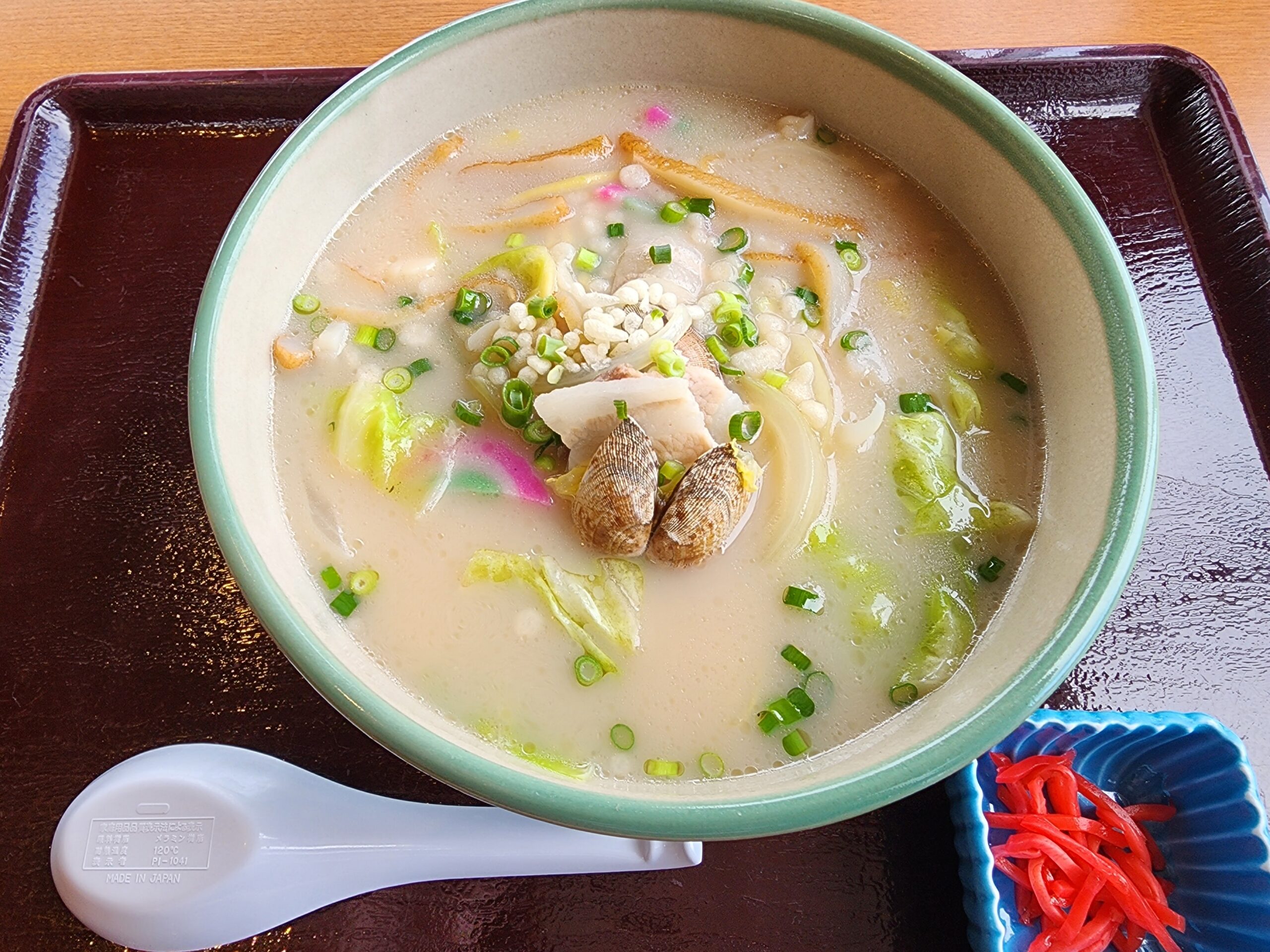
Roadside station with a food/restaurant area selling local s…
Destinations
Things to Do
Plan Your Trip