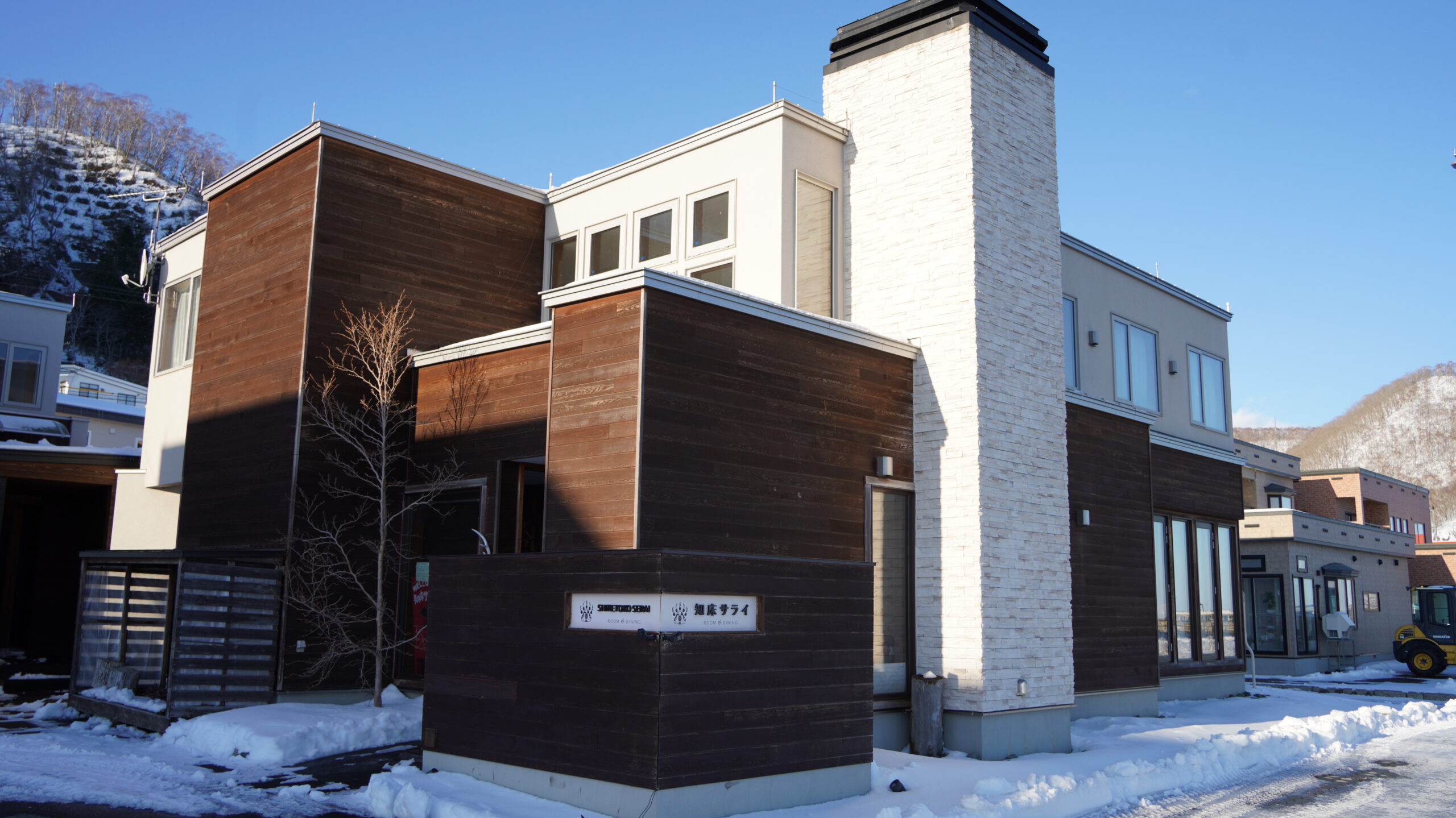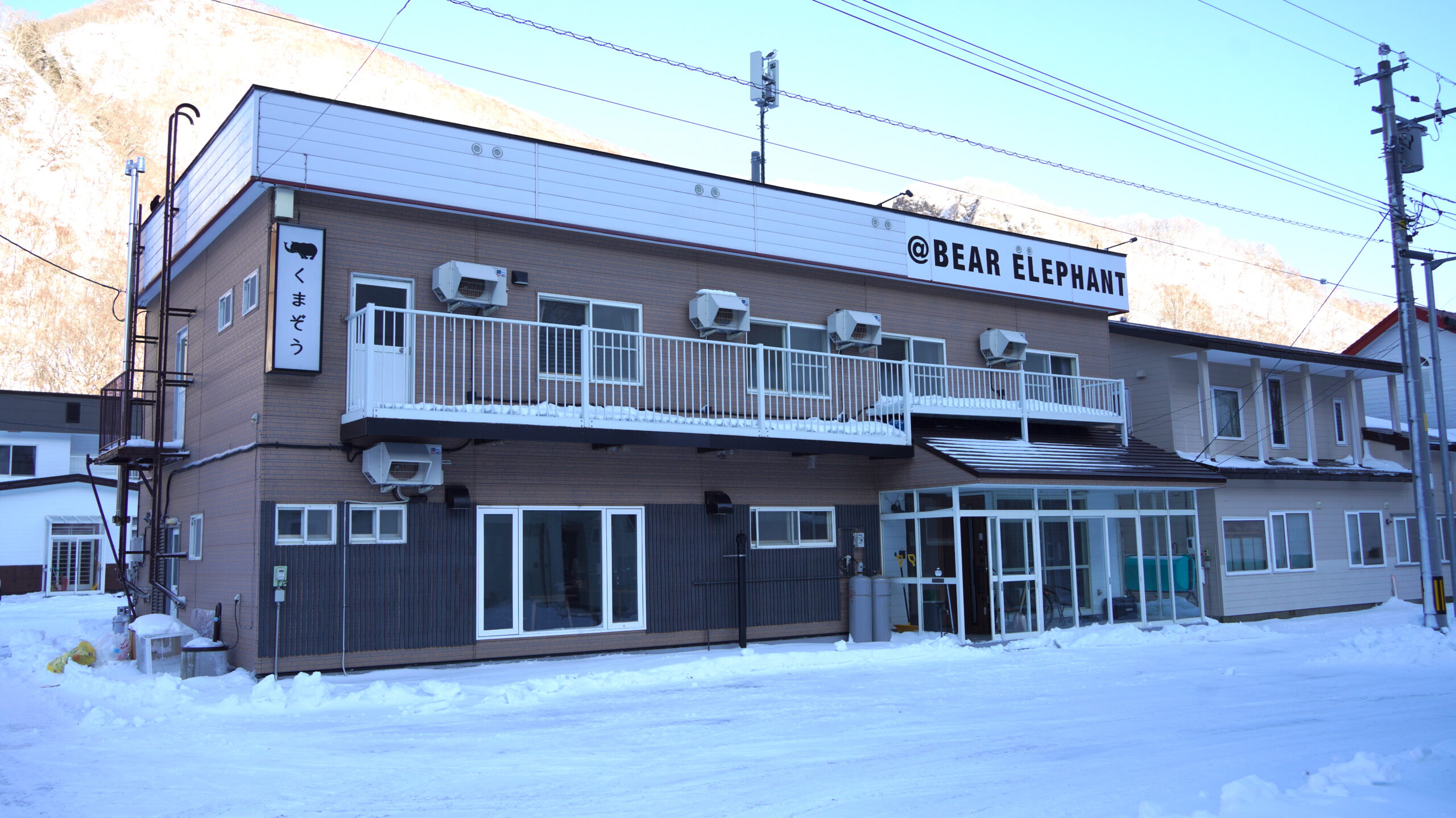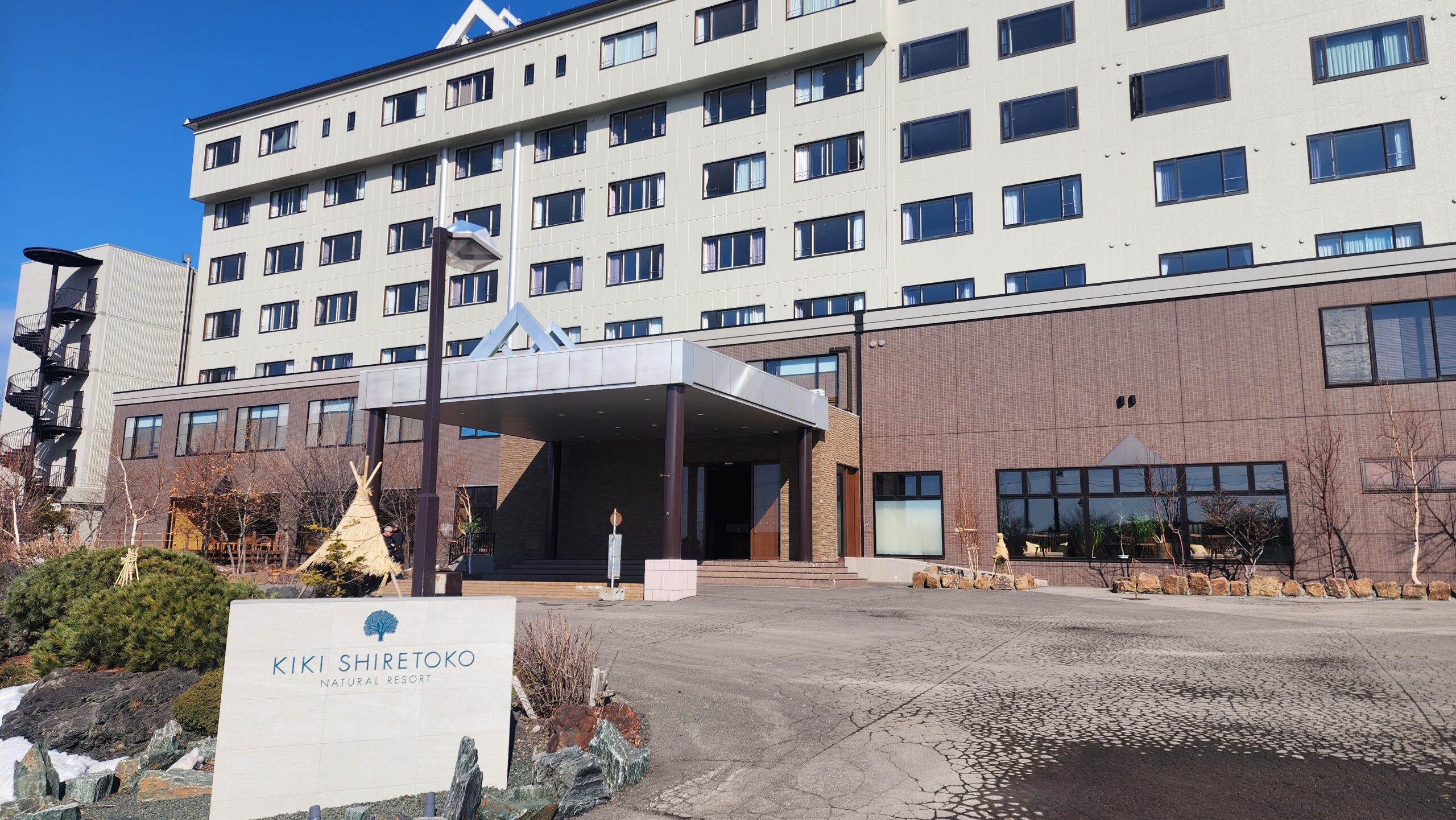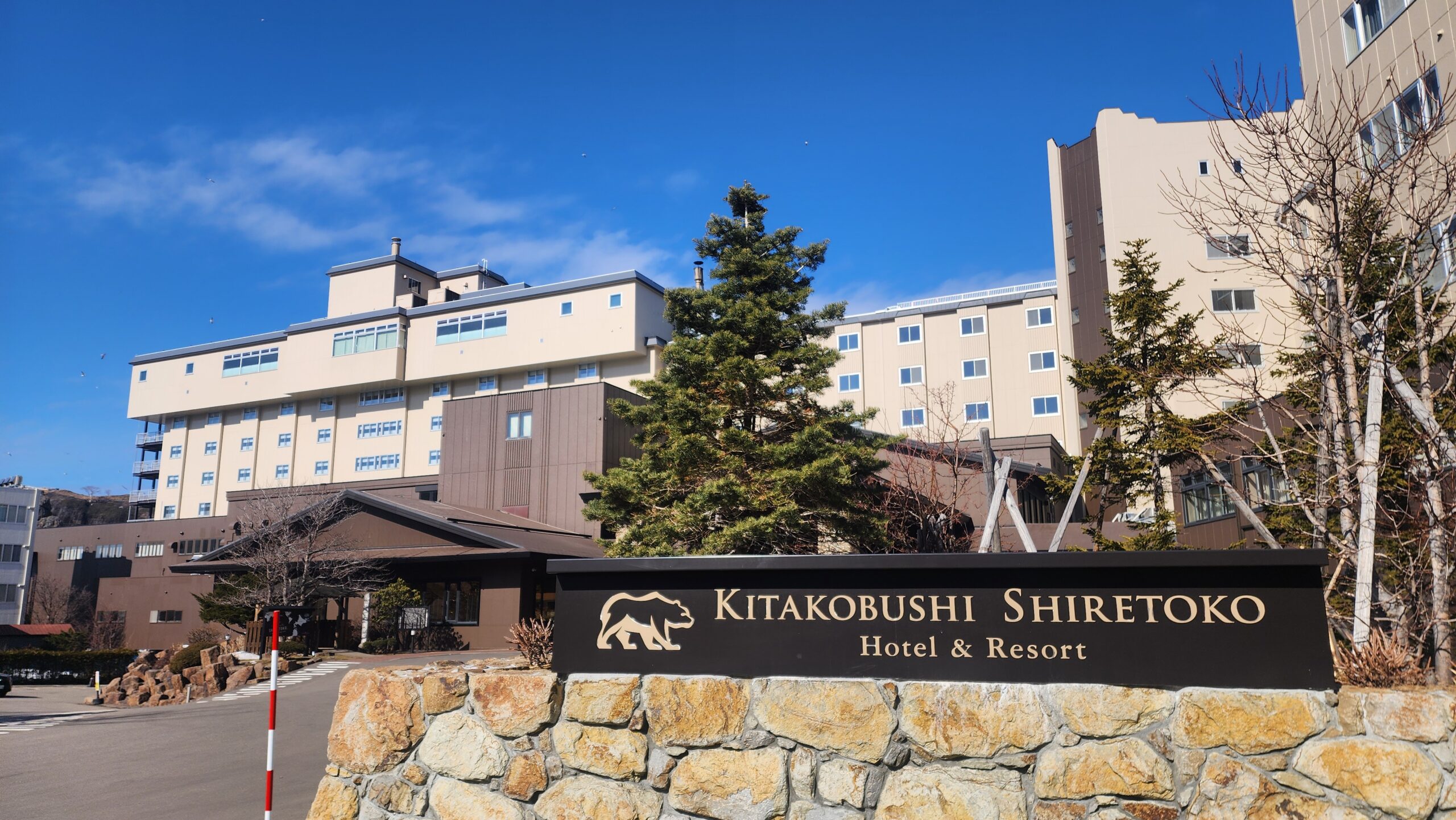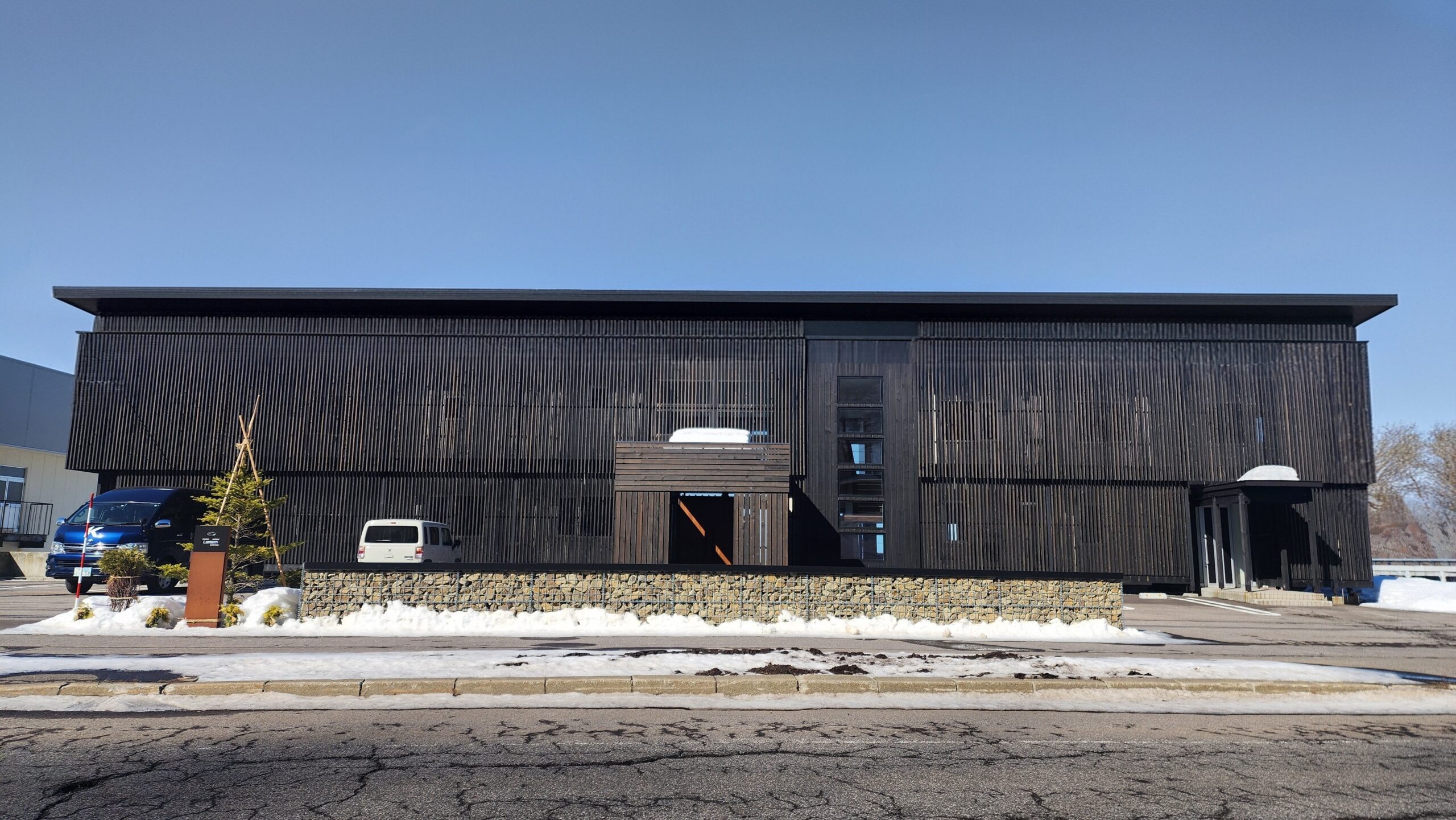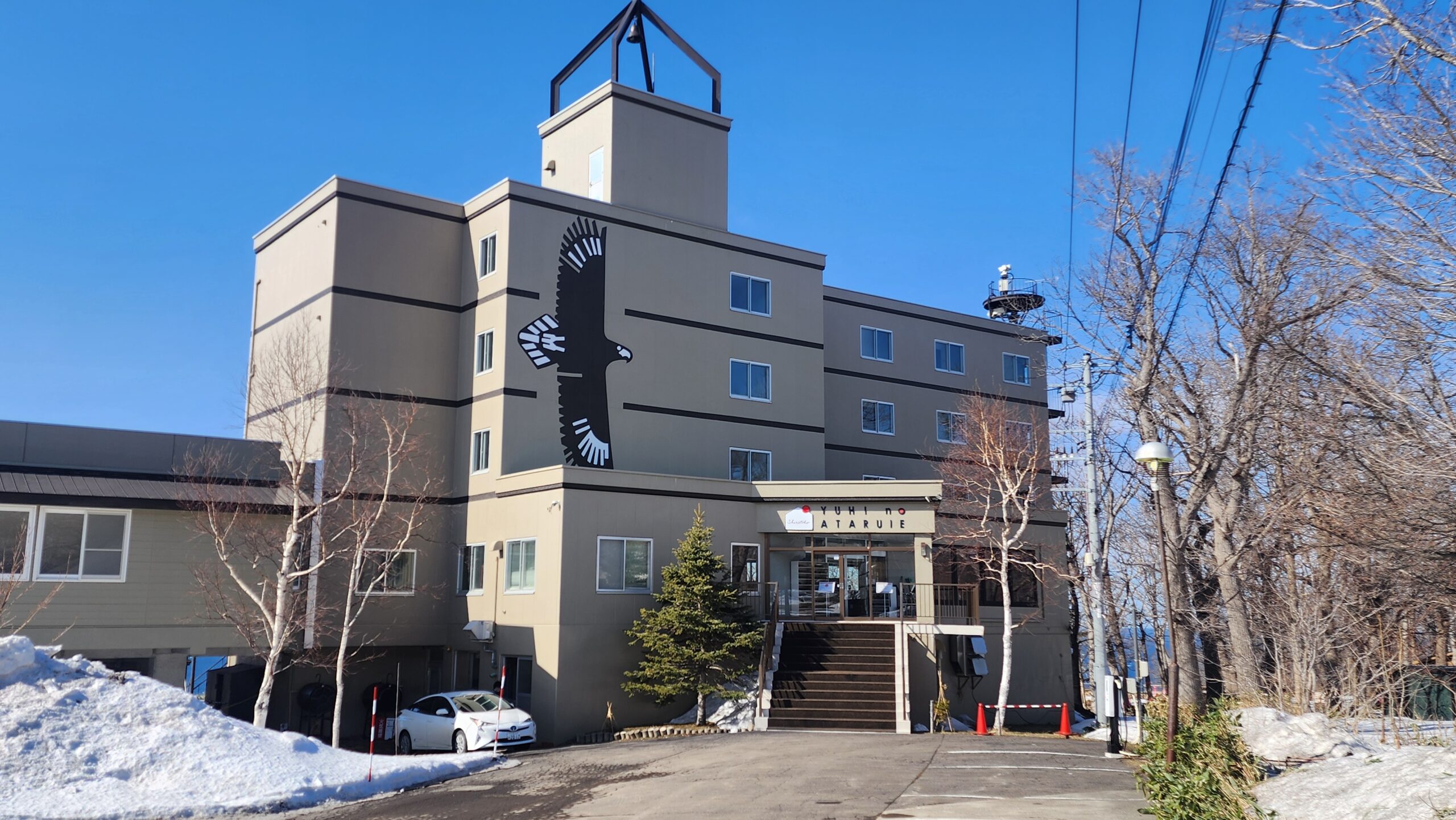
LiVEMAX RESORT Shiretoko Sea Front
Oceanfront resort in Rausu with onsen baths and sauna. Comfortable rooms and easy access to Shiretoko Pass and local cruises. Good for travelers who want hot springs with sea views and parking.
Ready for an unforgettable adventure? Discover Shiretoko's wild landscapes, rare wildlife, and remote serenity on Japan's northern edge.
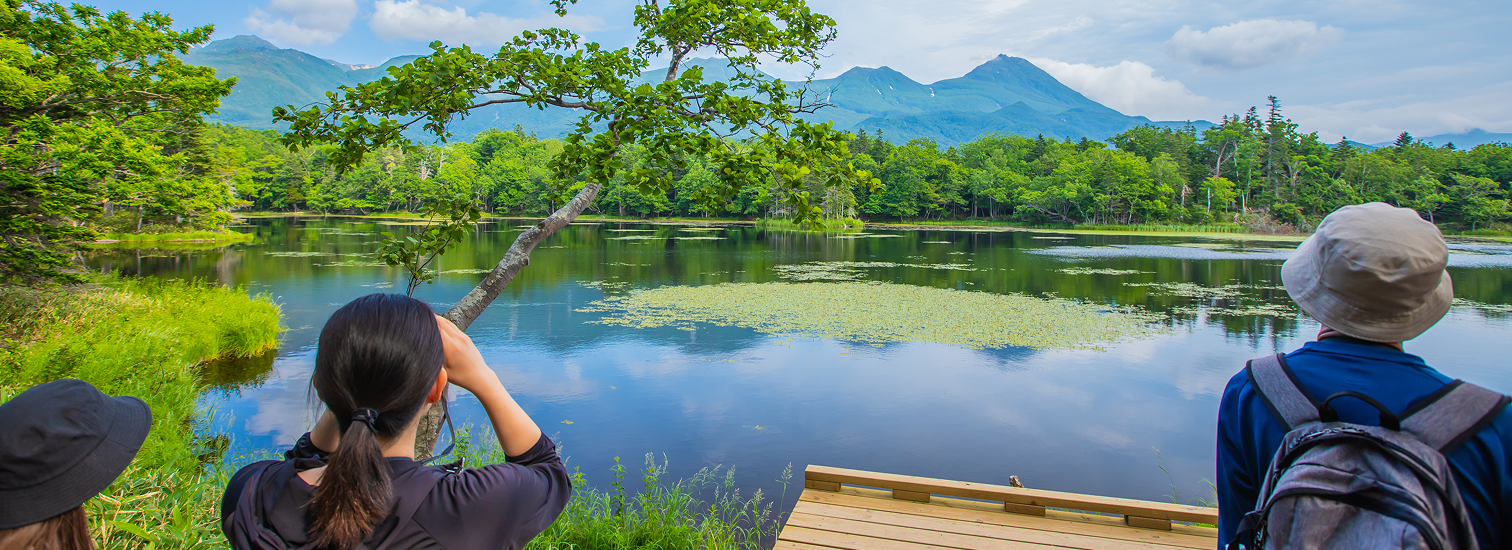
Shiretoko National Park is a remote and untamed region shaped by volcanic activity and the dramatic influence of drift ice. Located in northeastern Hokkaido, the park spans approximately 71,100 hectares, covering part of the Shiretoko Peninsula and three kilometers of adjacent coastal waters. It was designated as a national park in 1964 and became a UNESCO World Natural Heritage Site in 2005, recognized for its pristine wilderness and rich biodiversity.
On the west side of the peninsula lies the town of Utoro, facing the Sea of Okhotsk. Here, dense forests of evergreen conifers and deciduous broadleaf trees stretch inland from the coast. This coastline marks the southernmost point in the Northern Hemisphere where drift ice reaches, creating a dynamic landscape of sheer cliffs, waterfalls, and uniquely sculpted rocks—carved by the power of moving ice.
To the east is the town of Rausu, where drift ice loops around the peninsula and arrives from the north. The plankton carried by the ice kickstarts a rare food chain that links the sea and forest. Fish feed on the plankton, and in turn, animals like brown bears, red foxes, and Ezo deer gather in the forests to hunt or scavenge. Their droppings fertilize the soil, helping plants to grow—completing a powerful natural cycle. In the surrounding seas, you may spot harbor seals, dolphins, or orcas depending on the season, while winter skies often bring sightings of white-tailed and Steller’s sea eagles.
Shiretoko offers two distinct yet interwoven ecosystems—Utoro’s rugged sea cliffs and forests, and Rausu’s rich coastal waters—making it one of the best places in Japan to witness the raw connection between land, sea, and wildlife. The region’s vibrant food culture, especially its fresh seafood, is another draw for visitors. Today, Shiretoko welcomes around 1.2 million visitors annually as one of the country’s premier nature destinations.
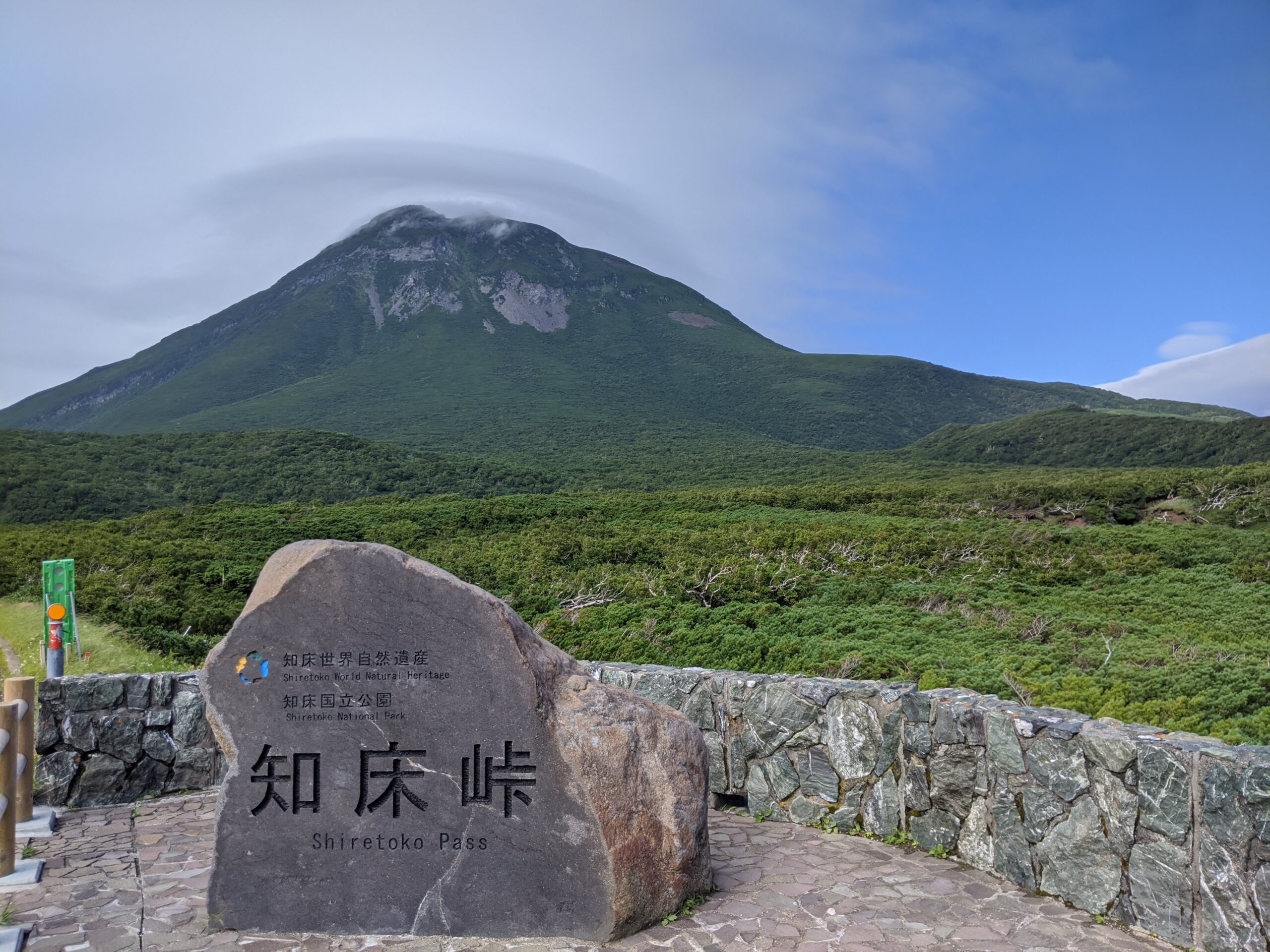
Shiretoko Pass is a scenic mountain road that connects the towns of Utoro and Rausu via National Route 334, also known as the Shiretoko Crossing Road. At 738 meters above sea level, the summit area offers a free parking lot, restrooms, and a viewing platform. From here, you can enjoy views of Mt. Rausu up close, and on clear days, spot Kunashiri Island, one of the disputed Northern Territories. Due to winter conditions, the pass is closed from early November to early April.
Shiretoko Pass is a scenic mountain road that connects the towns of Utoro and Rausu via National Route 334, also known as the Shiretoko Crossing Road. At 738 meters above sea level, the summit area offers a free parking lot, restrooms, and a viewing platform.
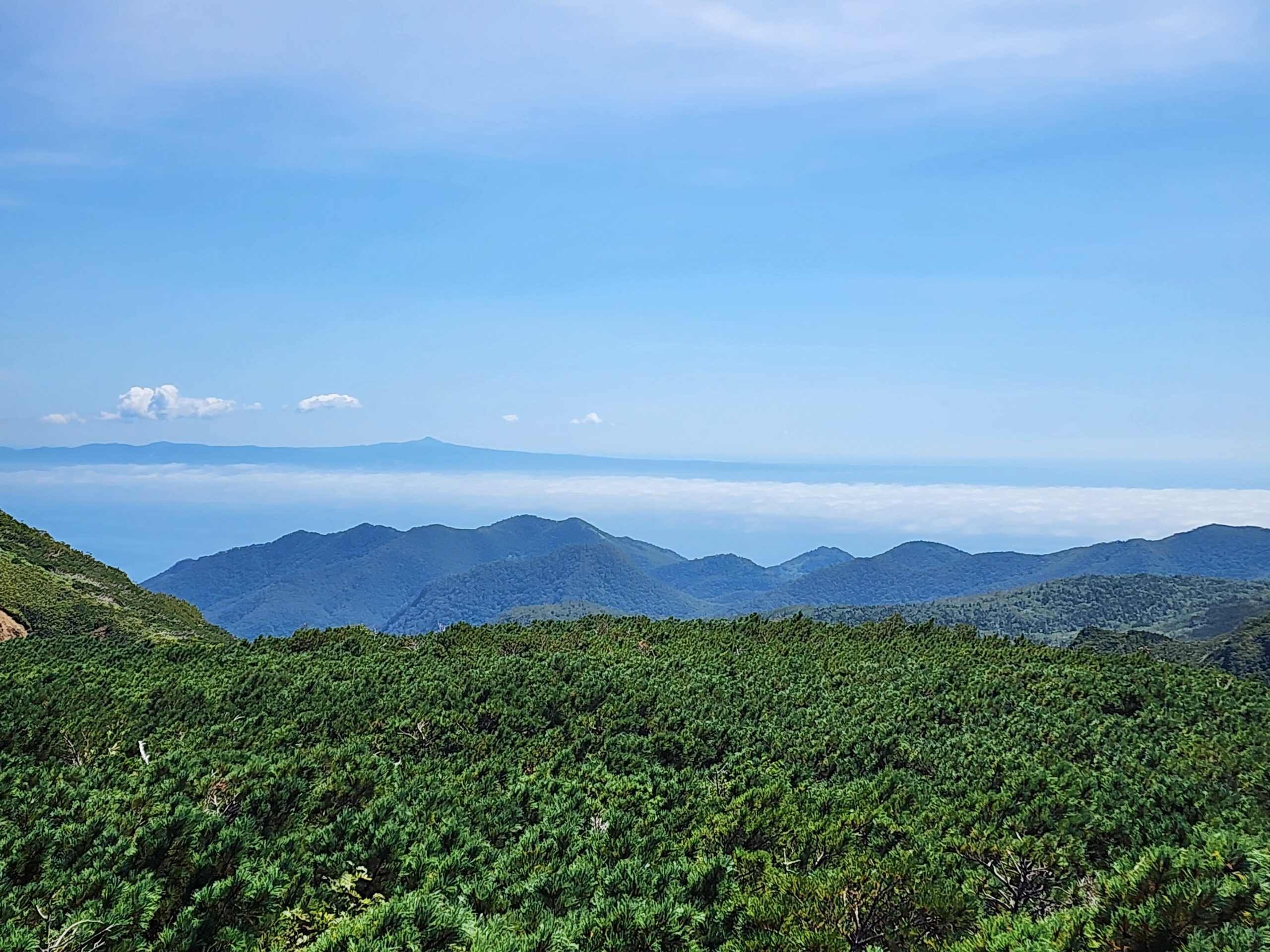
From here, you can enjoy views of Mt. Rausu up close, and on clear days, spot Kunashiri Island, one of the disputed Northern Territories. Due to winter conditions, the pass is closed from early November to early April.
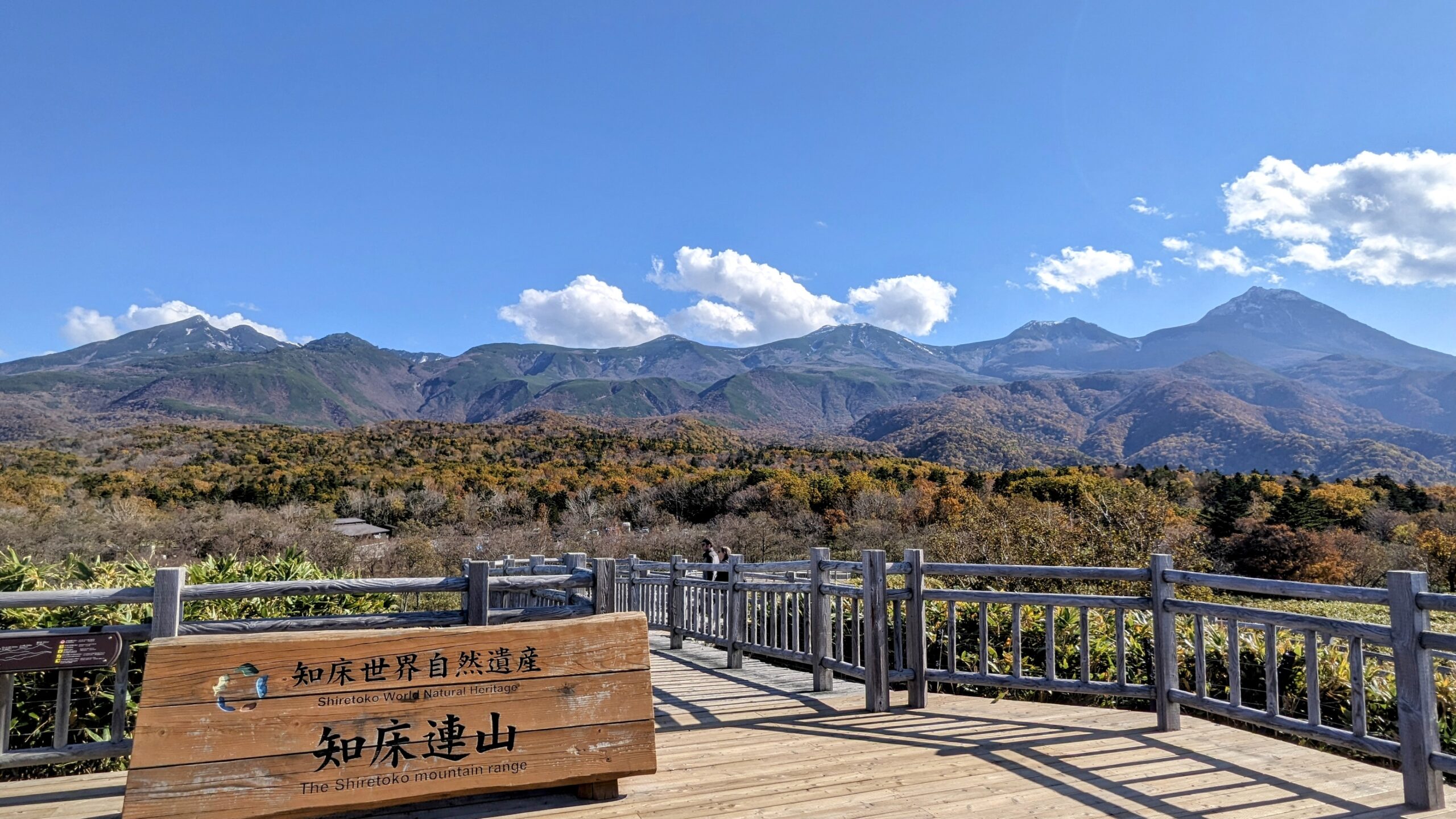
Surrounded by untouched forest in Shari Town, Shiretoko Goko is a cluster of five tranquil lakes set against the backdrop of the Shiretoko mountain range and the Sea of Okhotsk. The area is rich with wildlife—you may notice bear claw marks on trees or nest holes created by the black woodpecker, a large species native to Hokkaido.
There are two walking routes: the elevated boardwalk, which is open to everyone and designed for safety, and the ground trail, which offers a more immersive nature experience. The boardwalk is fenced with electric wire to keep bears out and is fully wheelchair and stroller accessible, with a round-trip distance of about 1.6 kilometers.
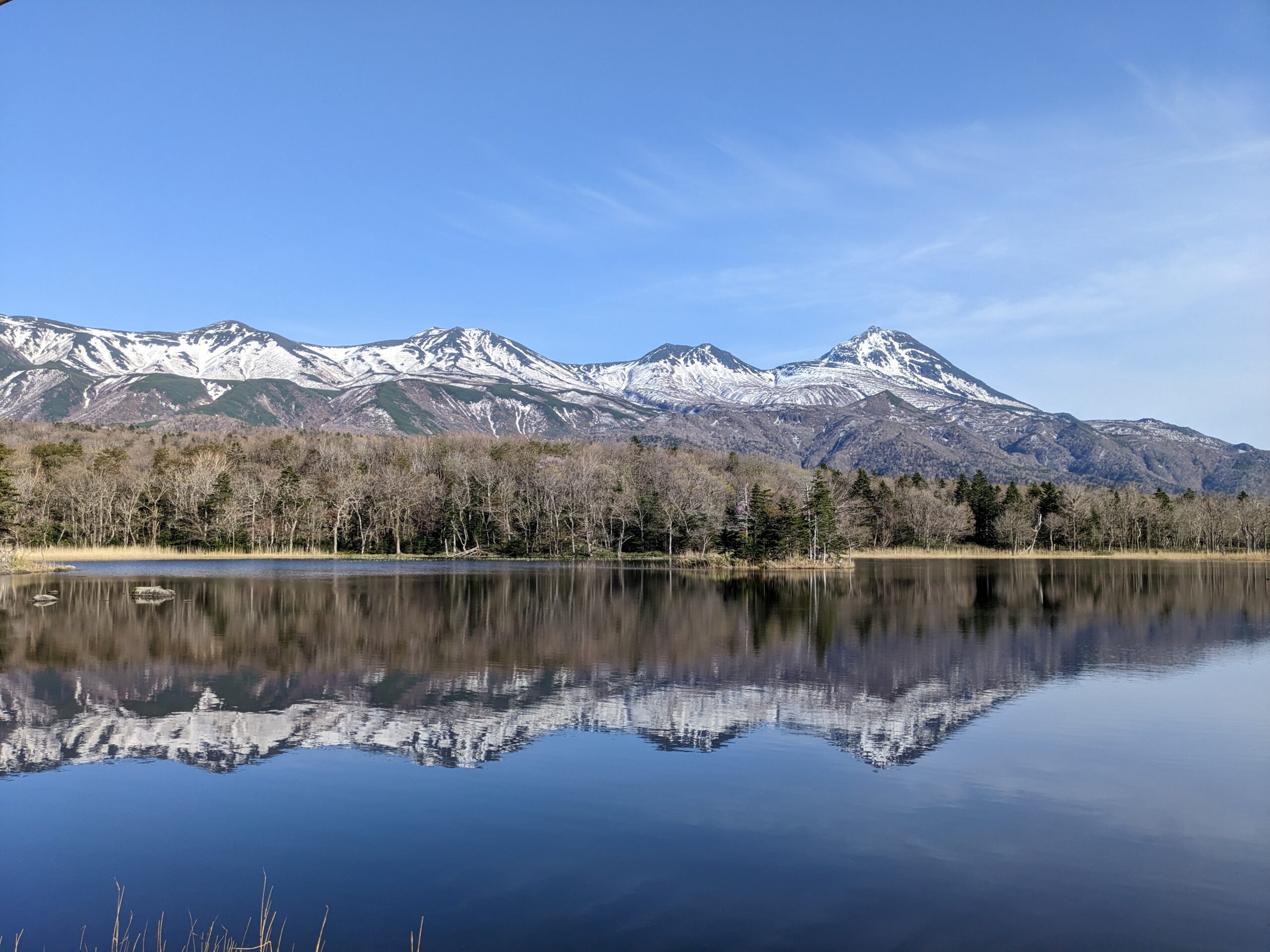
The ground trail allows visitors to explore all five lakes up close, but seasonal rules apply. From May through July, when bears become active after hibernation, visitors must join a guided tour with a certified nature guide. During the designated “Vegetation Protection Periods” (from the park opening through the end of May and again from August to closing), all visitors are required to attend a short lecture before entering the trail.
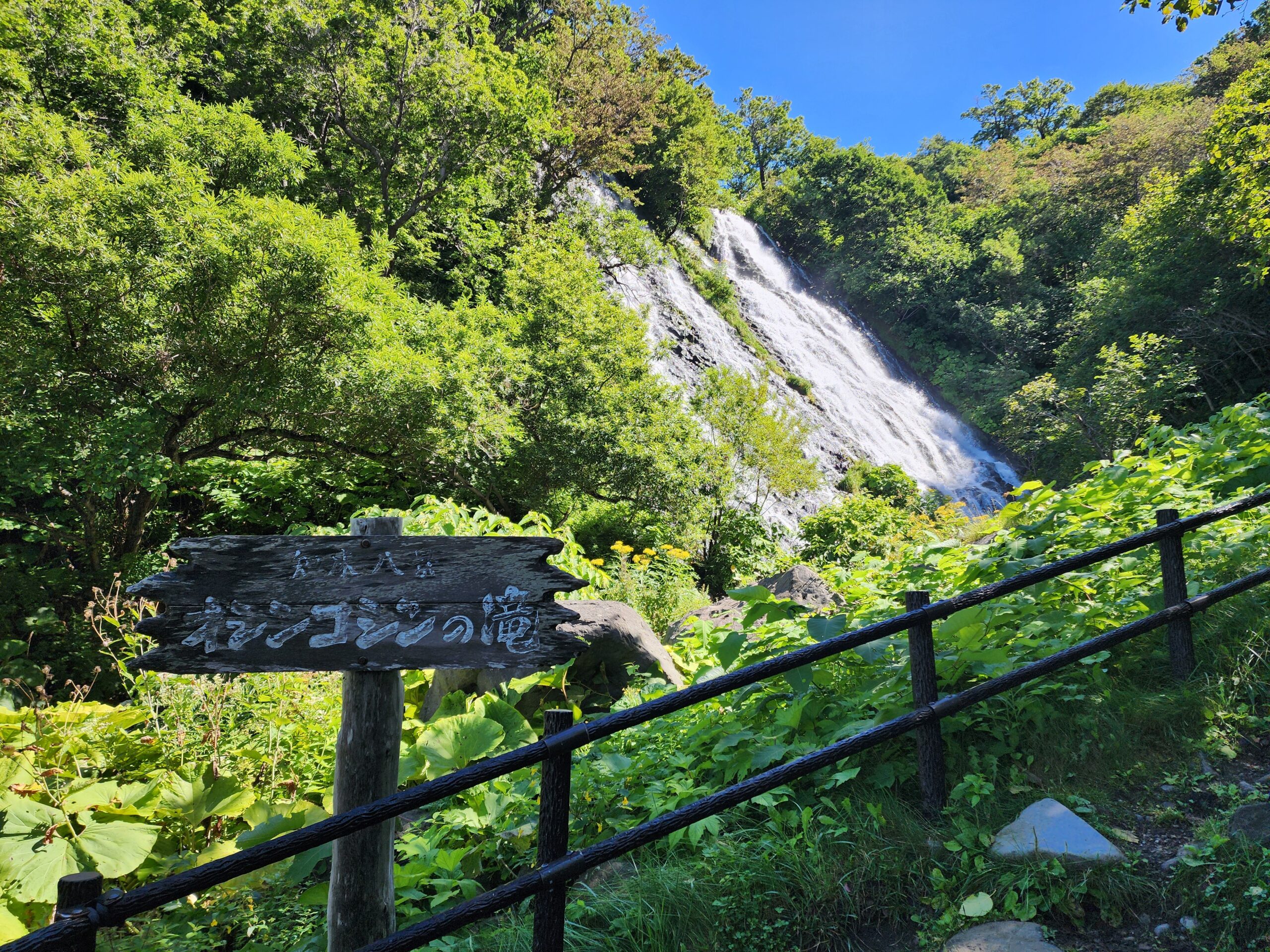
Oshinkoshin Falls is the largest waterfall in the Shiretoko area and has been selected as one of Japan’s Top 100 Waterfalls. With a height of about 30 meters, it dramatically splits into two streams halfway down, earning it the nickname “Twin Beauty Falls.”
Each season offers a different scenic backdrop: in spring, the snowmelt creates a powerful rush of water; summer highlights the lush greenery; autumn brings brilliant fall foliage; and winter transforms the waterfall into a shimmering curtain of ice.
Located right next to the coastal road, the falls are easily accessible with a nearby parking area and stairs that lead close to the basin. In winter, it’s also a great spot to view the drift ice that washes ashore along the Sea of Okhotsk.
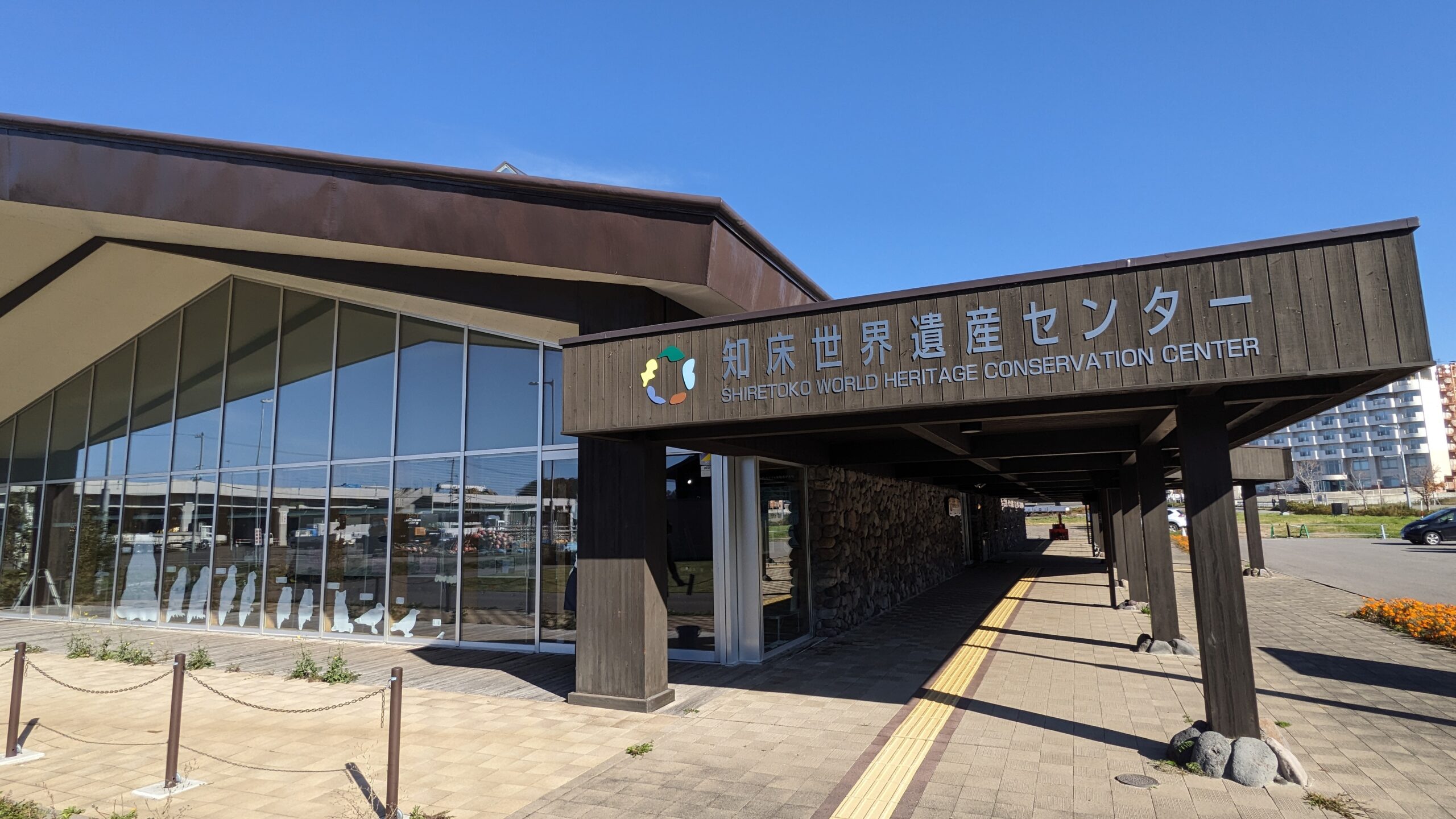
Located next to the Michi-no-Eki “Utoro Shirietoku” roadside station, the Shiretoko World Heritage Conservation Center is an excellent first stop for anyone visiting the area. This visitor facility provides essential information about Shiretoko’s wildlife, natural environment, and conservation efforts.
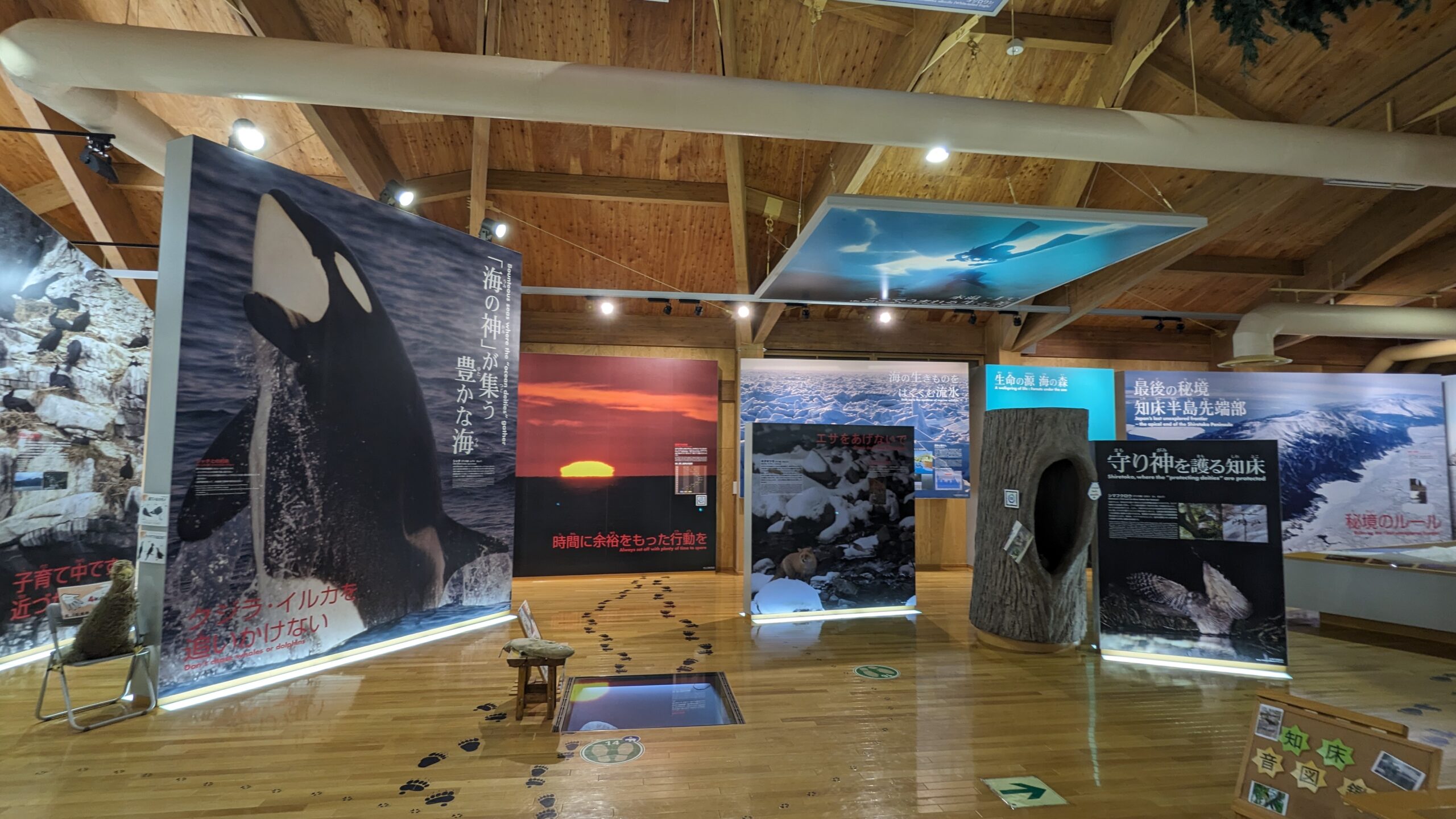
Inside, you’ll find life-sized displays of animals like brown bears, Blakiston’s fish owls, and red foxes that inhabit the region, as well as real examples of bear claw marks. The center introduces key guidelines for enjoying Shiretoko safely and responsibly, including rules for interacting with wildlife and protecting the natural environment. It’s an ideal place to gain insight before heading out into the wild.
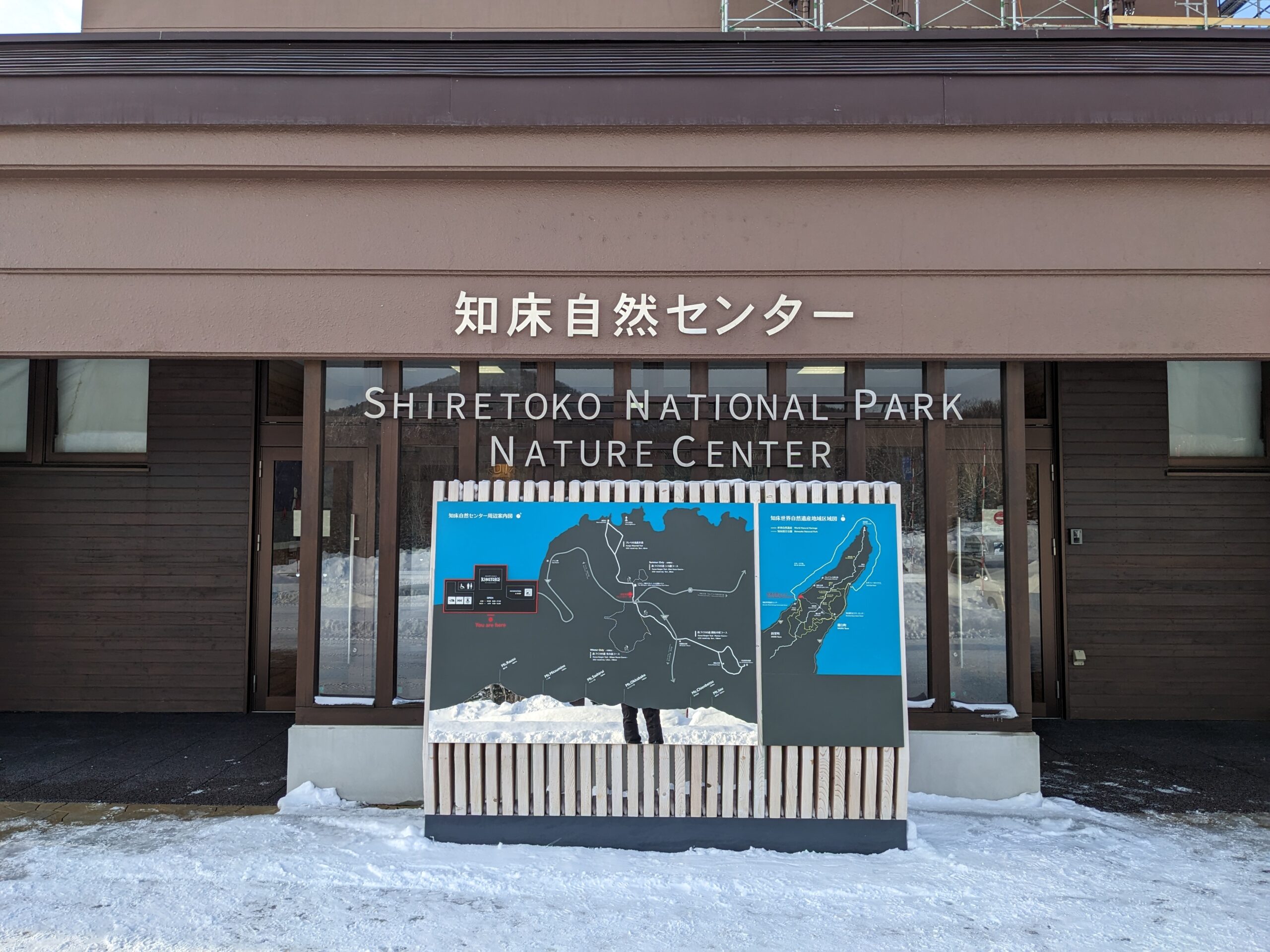
This facility serves as a hub for nature conservation and outdoor exploration in Shiretoko National Park. It’s located at the trailheads of several hiking routes and is a go-to source for current trail conditions, weather updates, and bear activity reports.
The center also rents out seasonal gear including boots, binoculars, bear spray, snowshoes, and e-bikes, making it easier for visitors to safely enjoy Shiretoko’s nature in any season.
Operates as a ramen shop during daytime hours and serves yak…
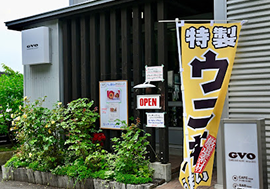
Cafe in central Utoro serving lunch plates and light meals f…
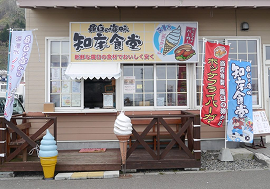
Seafood restaurant offering assorted seafood bowls and set m…
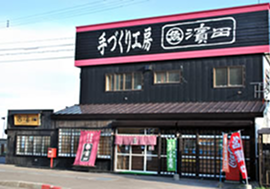
Restaurant and seafood retail shop preparing seasonal seafoo…
Destinations
Things to Do
Plan Your Trip