Covering over 40,000 hectares, this diverse natural area in Eastern Hokkaido features wetlands, forests, sea cliffs, capes, and coastal ecosystems. The park includes three Ramsar-listed wetlands—Lake Akkeshi, Bekanbeushi Marsh, and Kiritappu Wetland—and supports a rich variety of flora and fauna throughout the year.
Bekanbeushi Marsh, located inland north of Lake Akkeshi, is characterized by extensive reed beds and alpine plants like Labrador tea and marsh rosemary, while Kiritappu Wetland, near the Pacific Ocean, is known as the “Flower Wetland” for its colorful blooms from spring through fall. Coastal cliffs and rocky shores also serve as breeding grounds for seabirds, and sea otters and seals can sometimes be spotted offshore.
Top Attractions
Cape Kiritappu
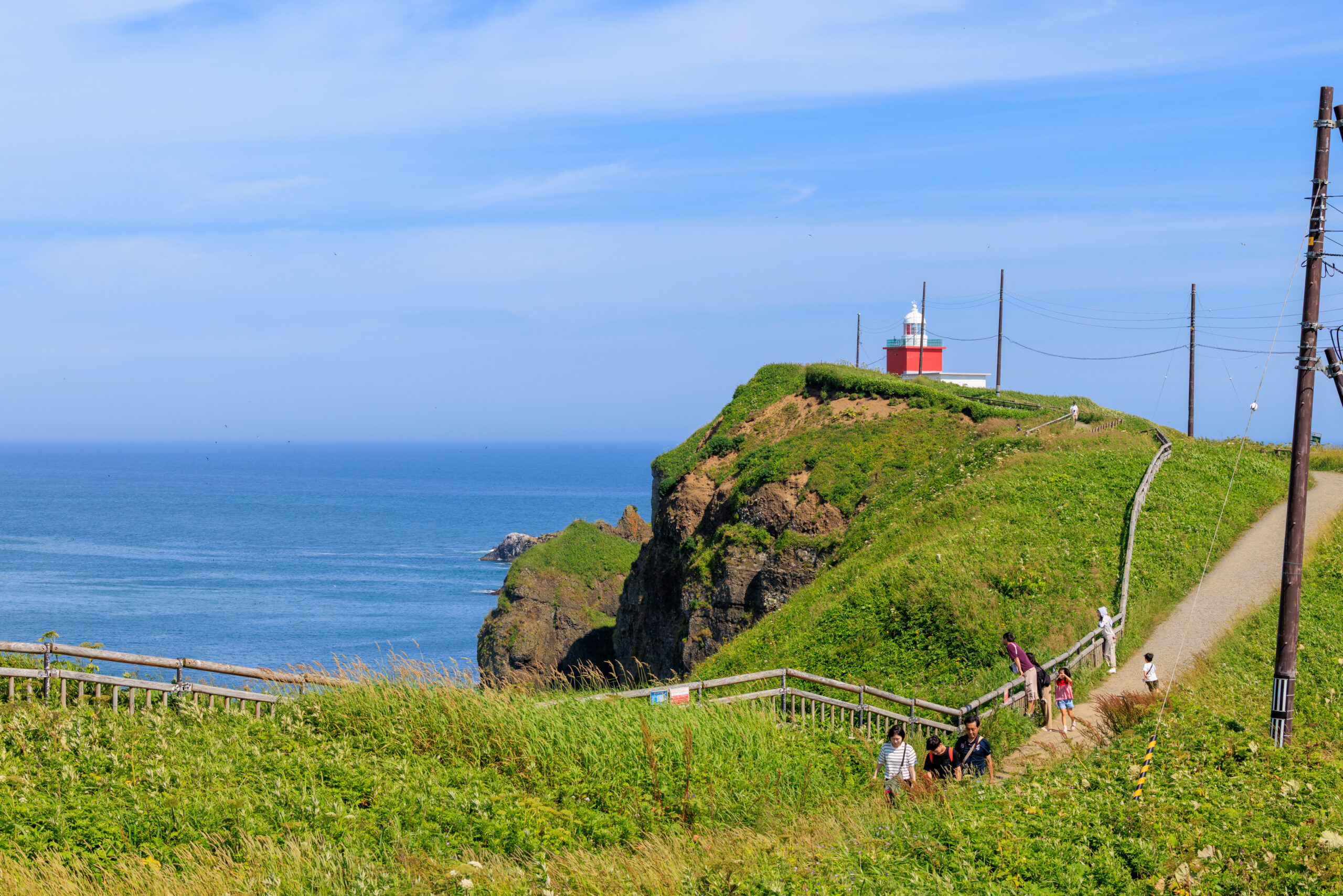
Located on the eastern edge of Hamanaka Town, Cape Kiritappu (officially Cape Tofutsu) is affectionately known as “Tokkari Cape,” derived from the Ainu word for “seal,” as these animals are frequently spotted nearby. The cape features dramatic cliffs and reefs rising 40–60 meters above the Pacific. From here, visitors can enjoy panoramic views of the rugged shoreline, Hamanaka Bay, and landmarks like Hokake Rock, a favorite resting spot for seals.
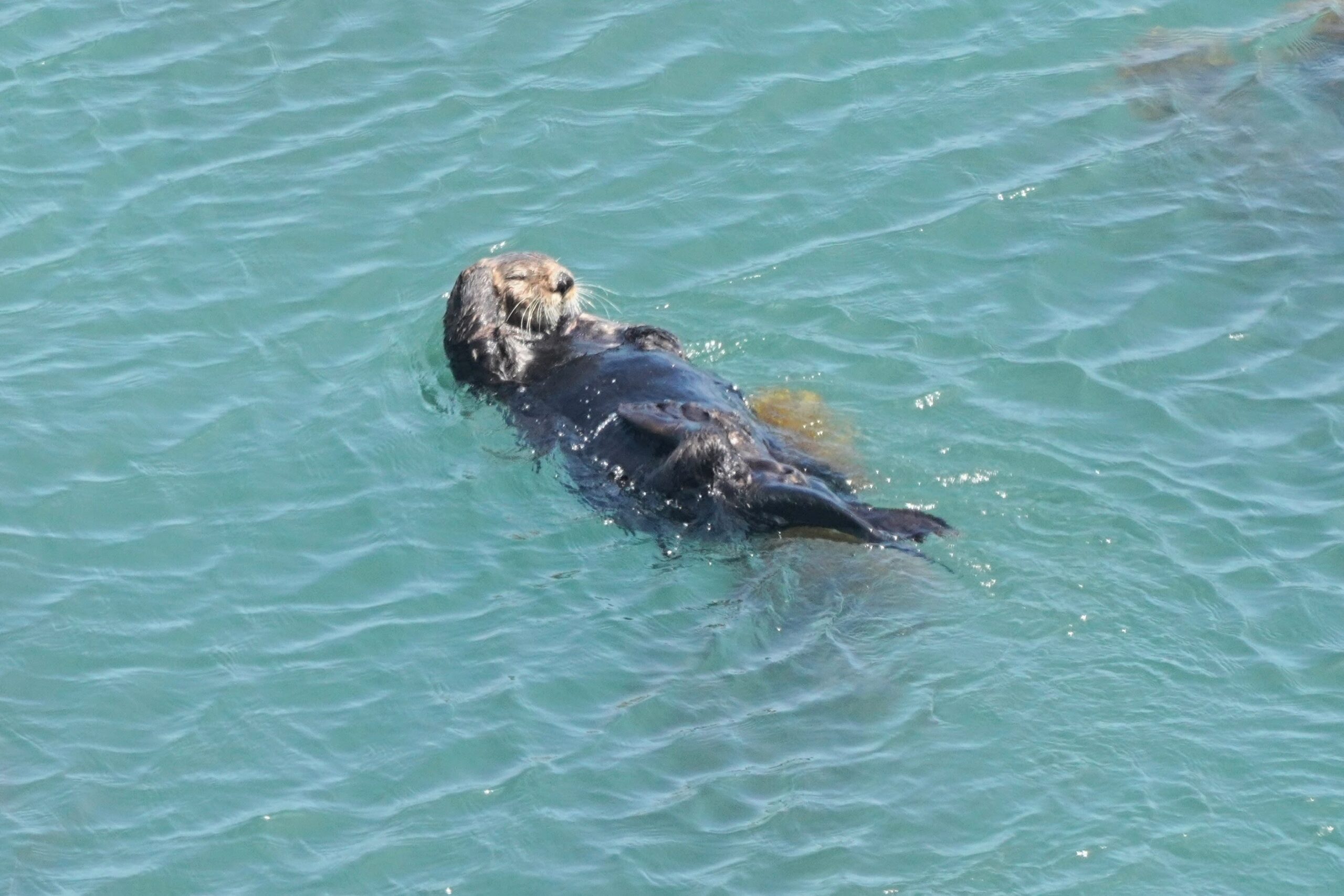
A walking path leads from the parking area to the tip of the cape (approx. 15–20 minutes). This is one of the few places where wild sea otters can occasionally be observed from land, though sightings are rare as they move freely through the surrounding waters. In summer, the cape is brightened by seasonal wildflowers, including colonies of Togebuki (a species of golden ray).
Ayamegahara Flower Garden
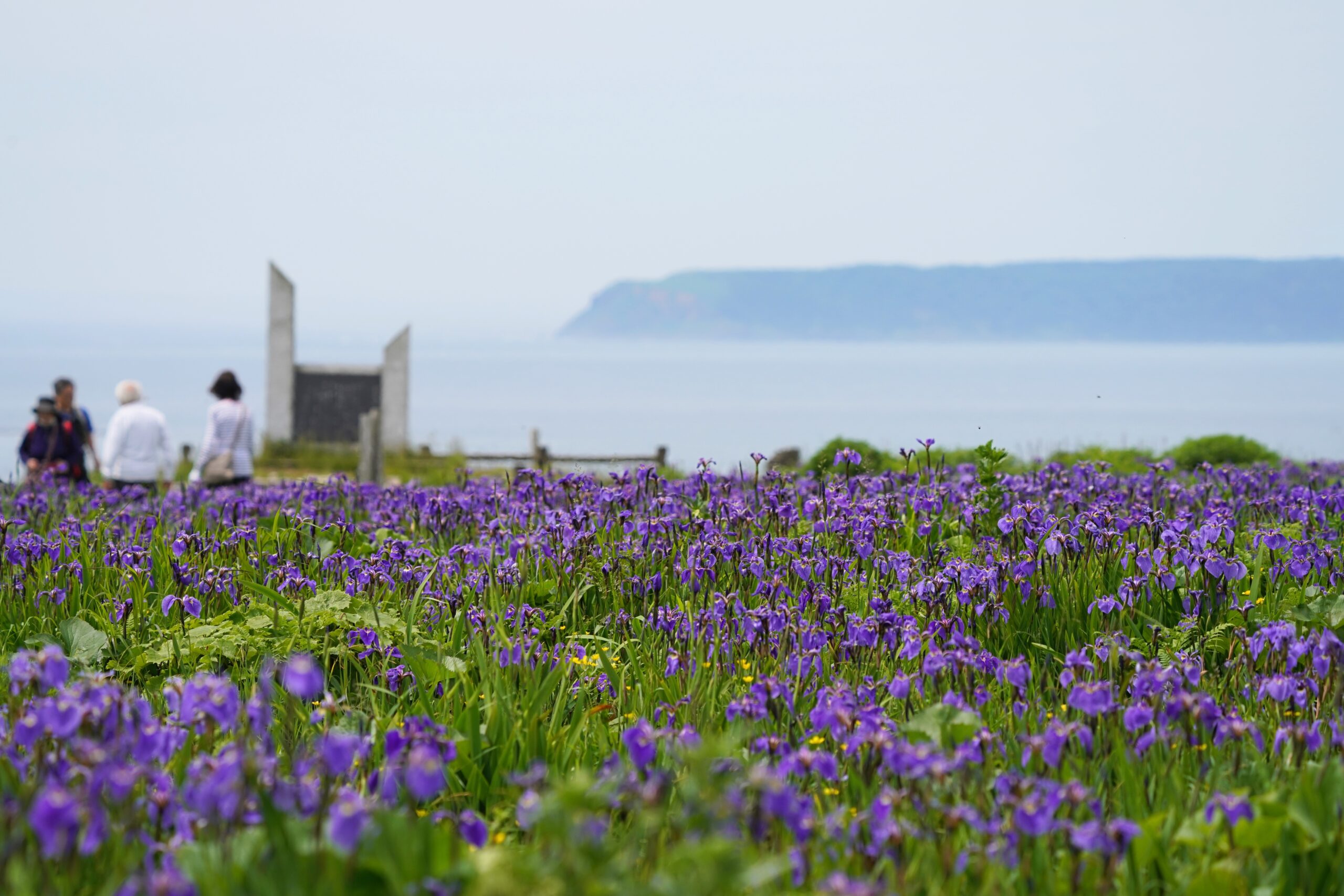
Ayamegahara is a vast natural wildflower meadow in Akkeshi Town, covering about 100 hectares at an elevation of roughly 100 meters. A walking path winds through the center of the fields.
The garden is most famous for its Hiougi-ayame (arctic iris); approximately 300,000 of these blooms carpet the area from mid- to late June. However, over 100 other plant varieties can be enjoyed from May through October. Horses are typically pastured here from June to October, adding to the pastoral scenery (please note that grazing may be suspended depending on site conditions).
Kiritappu Wetland Center
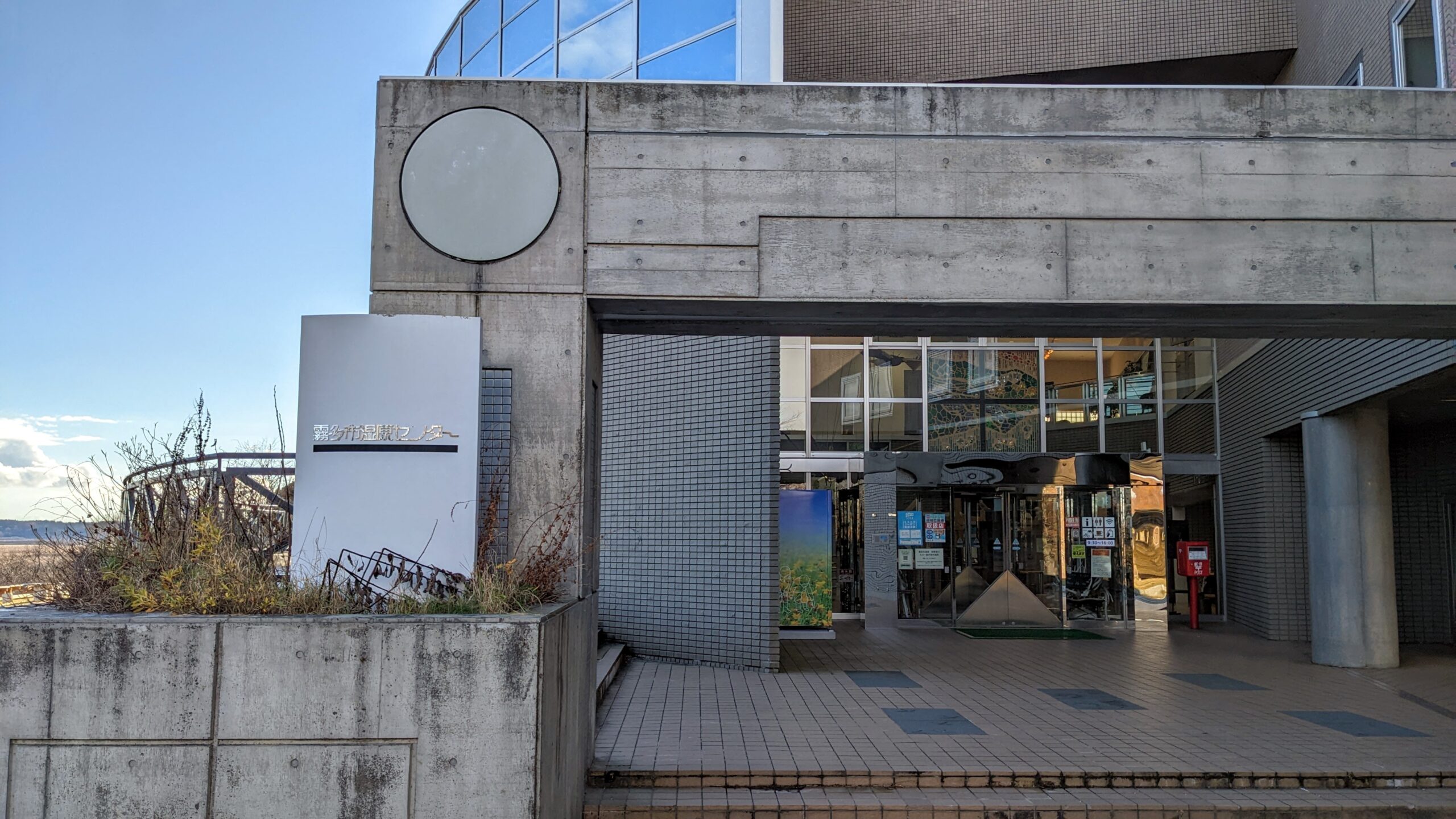
The Kiritappu Wetland Center serves as the main visitor hub for exploring the wetland and surrounding natural sites in Hamanaka. The center provides practical resources to help plan your visit, including sightseeing maps, updates on seasonal flowers, and staff recommendations on the day’s best highlights.
The center also offers eco-tours led by specialized guides. Programs vary by season, and private or group tours can be arranged upon request. As advance reservations are required, please contact the center directly to check availability and book your tour.
- Info
- Hours:
Apr–Oct: 9:00–17:00 / Nov–Mar: 9:30–16:00
Closed Tuesdays from Oct–Apr, and Jan 2–31
Website: https://www.kiritappu.or.jp/center/
Biwase Observatory
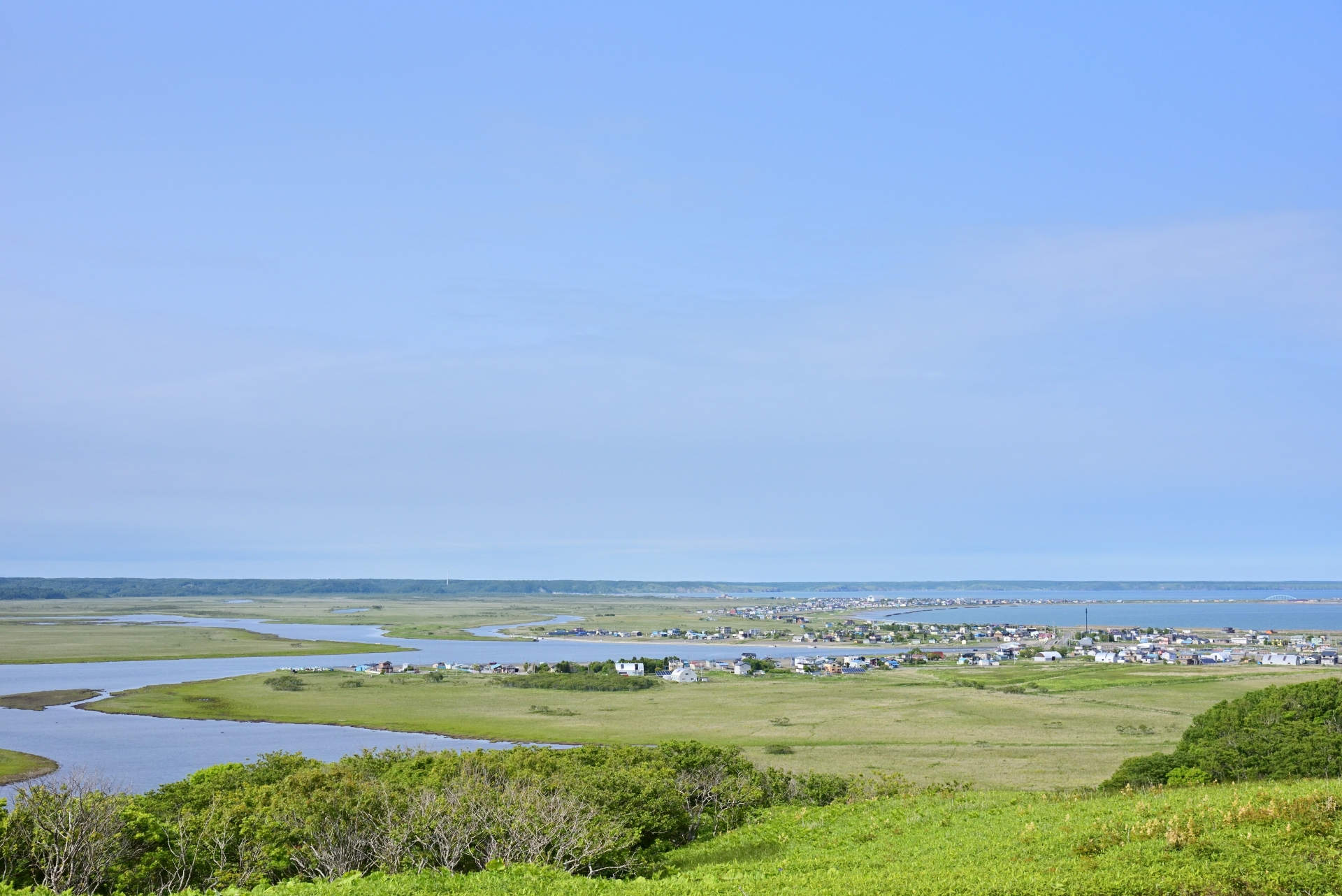
This scenic lookout offers views in both directions—southward over the Pacific and northward across Kiritappu Wetland, the meandering Biwase River, and nearby villages. The combination of untouched nature and rural life creates a uniquely Hokkaido landscape.
Cape Namida (Cape of Tears)
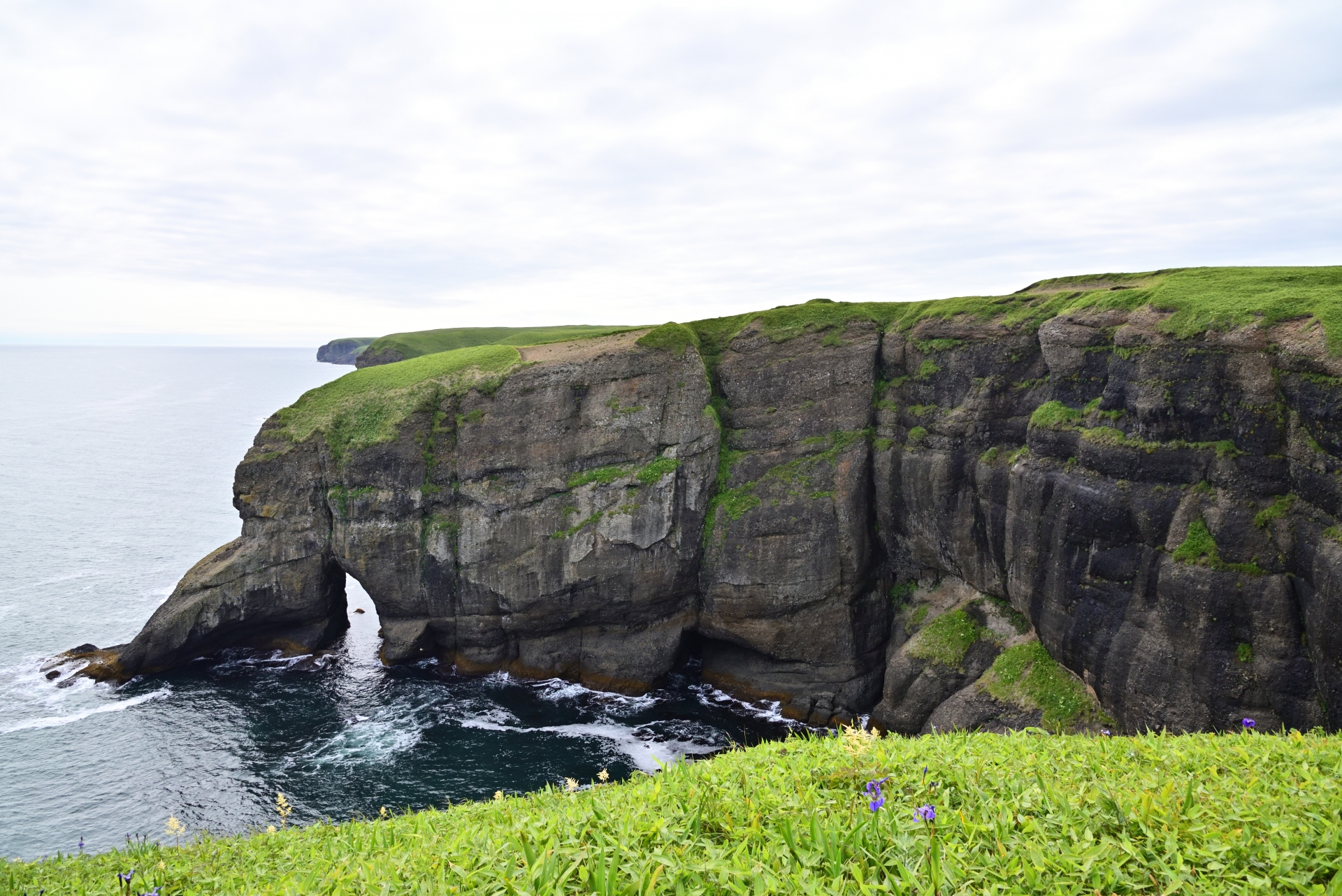
Named after a tragic love story, this cliff-fringed cape features a dramatic coastal landscape and a rock formation said to resemble a weeping maiden. With no man-made structures in sight, visitors can enjoy uninterrupted views of the Pacific Ocean and rugged cliffs.