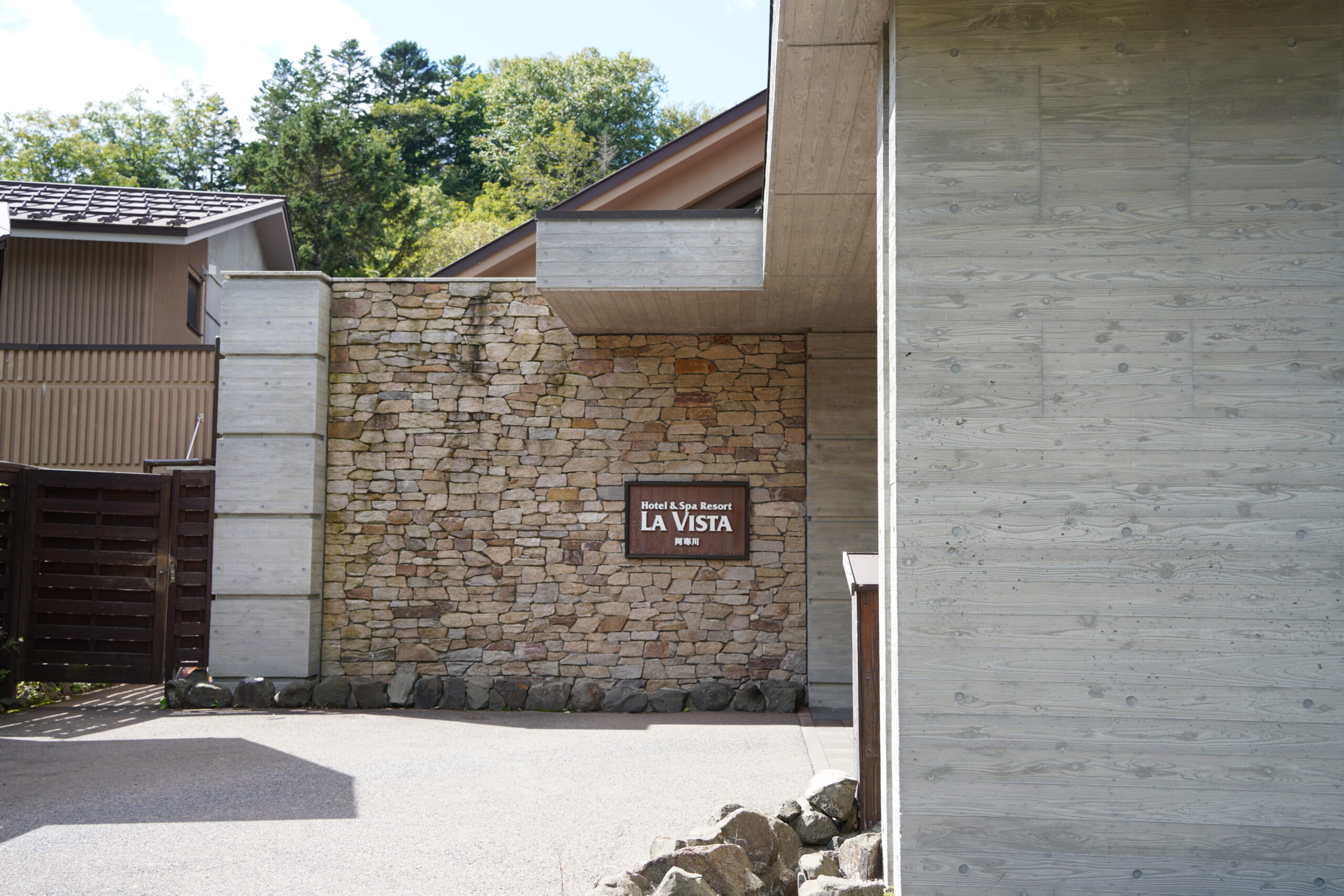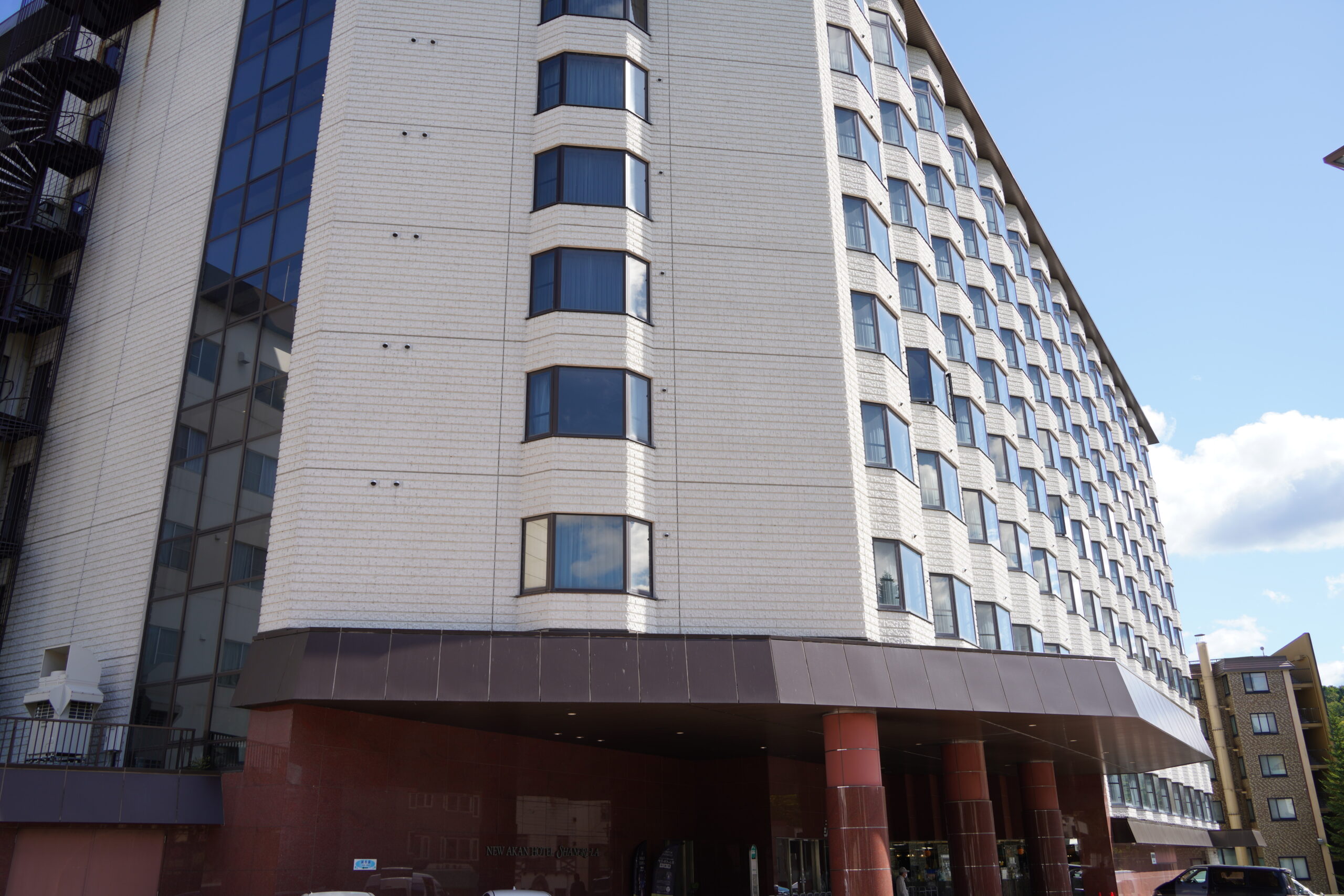
New Akan Hotel
Rooftop “Sky Garden Spa” with an infinity-edge style bath overlooking Lake Akan, plus a large onsen bath. Choose buffet dining or in-room meals, and unwind with a sauna-focused stay.
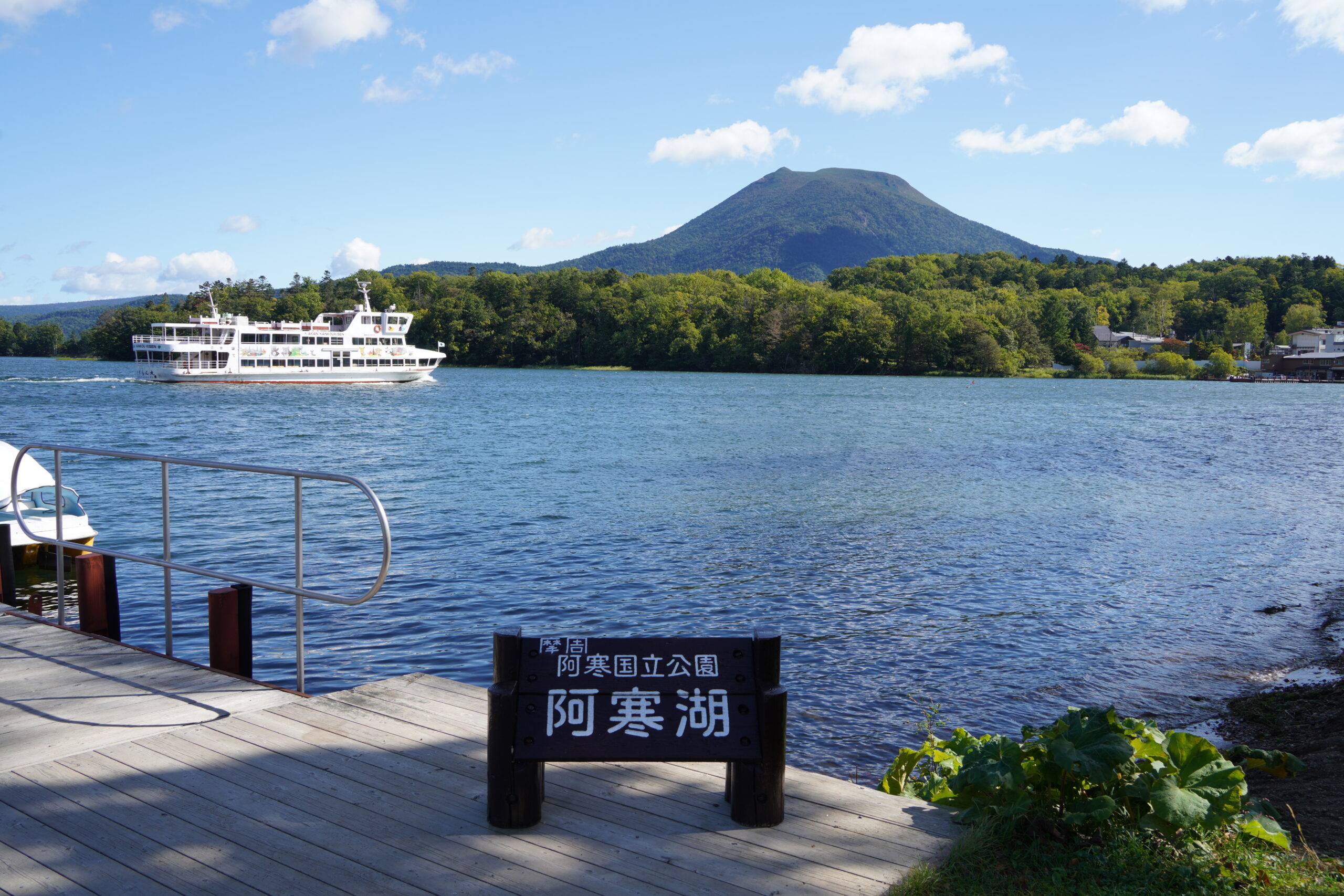
Akan-Mashu National Park, located in eastern Hokkaido, is home to three iconic caldera lakes—Lake Akan, Lake Mashu, and Lake Kussharo. Scattered across the park are numerous smaller lakes and ponds, surrounded by untouched primeval forests.
Active volcanoes such as Mt. Meakan, Mt. Oakan, and Mt. Iō continue to vent steam across the landscape, fueling a variety of hot springs with distinct mineral compositions in each area.
Lake Akan, in the western part of the park, is famous for its spherical marimo algae—designated a Natural Monument of Japan. The lake is also protected under the Ramsar Convention as a vital wetland for waterfowl. Despite its proximity to a hot spring resort town, the lake remains largely untouched thanks to strict conservation efforts.
On the lake’s shore is the Ainu Kotan, the largest Ainu village in Hokkaido. Around 30 families continue to preserve their Indigenous culture through dance, woodcarving, and traditional crafts, offering visitors a rare opportunity to engage with the living heritage of the Ainu people.
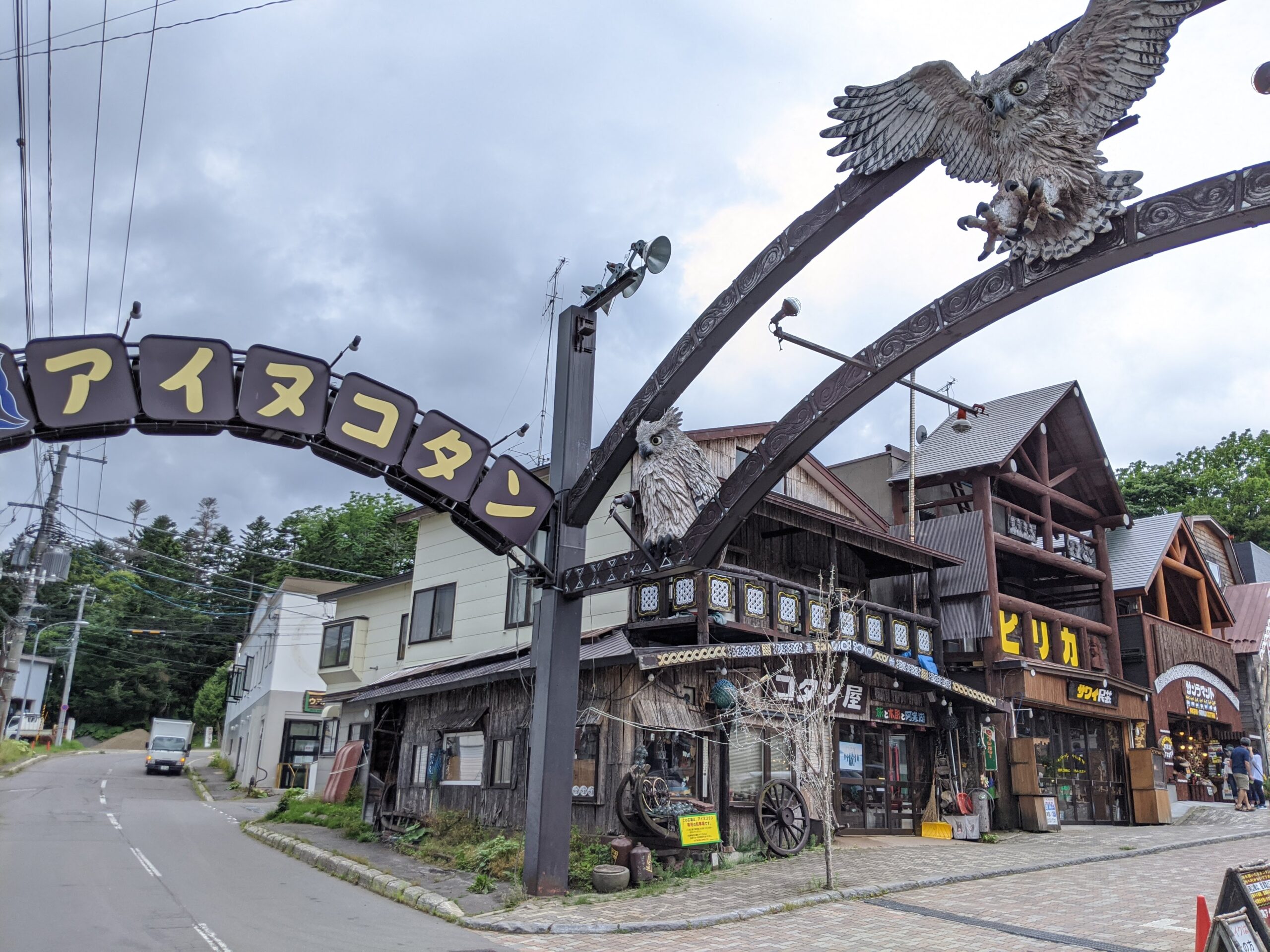
Akan Ainu Kotan is the largest Ainu settlement in Hokkaido and a living center of Indigenous culture. Around 30 Ainu families continue to carry on their traditions while residing here.
The village features craft shops selling embroidered textiles, carved woodwork, and the mukkuri—an Ainu mouth harp. For groups of 15 or more, cultural experience programs such as traditional crafting or music performances can be arranged with prior reservation.
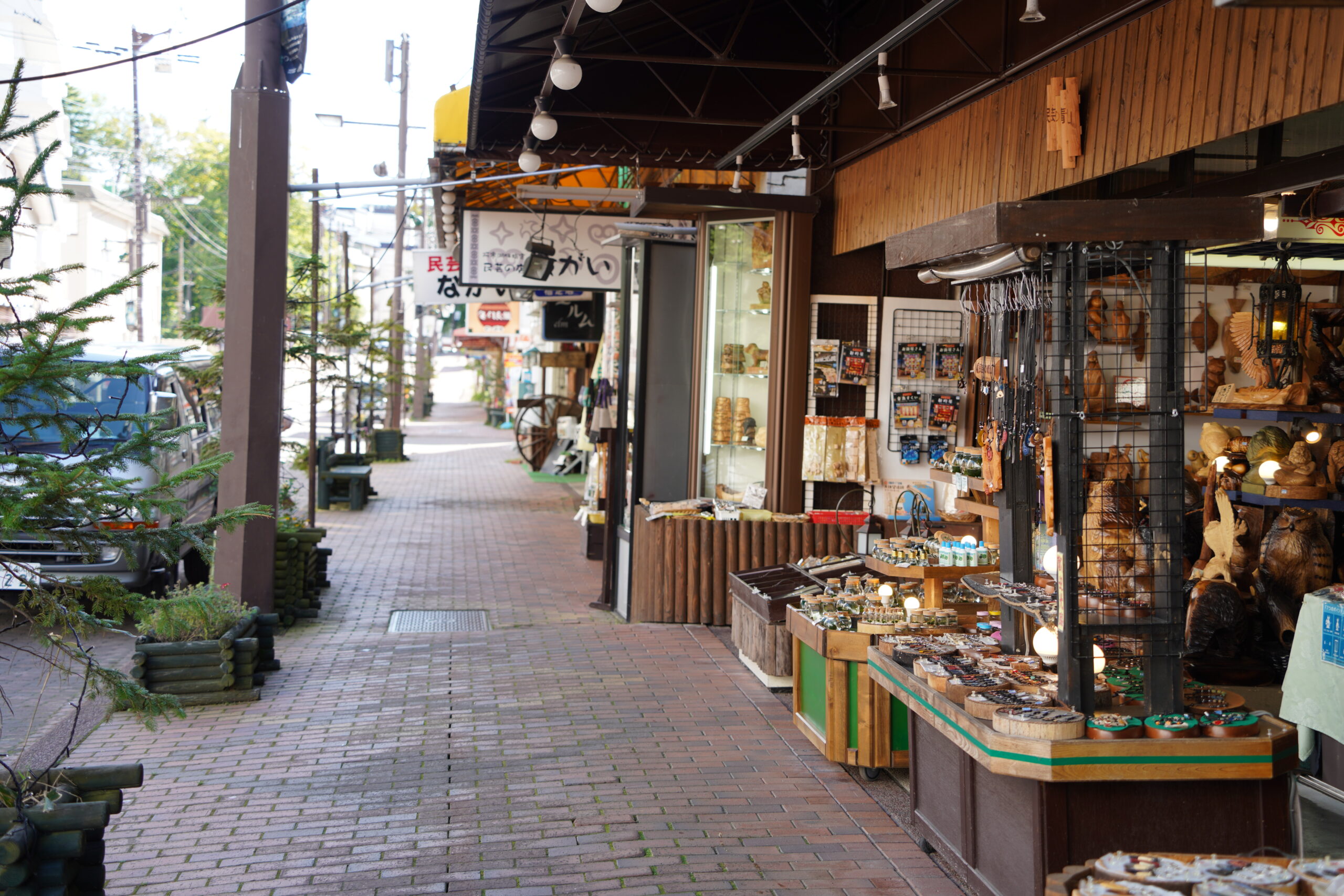
You’ll also find restaurants serving Ainu cuisine, a museum and gallery, and Ikor—Japan’s first indoor theater dedicated to Ainu culture. The entire village serves as an open cultural hub where visitors can engage with the language, spirituality, and artistry of the Ainu people.
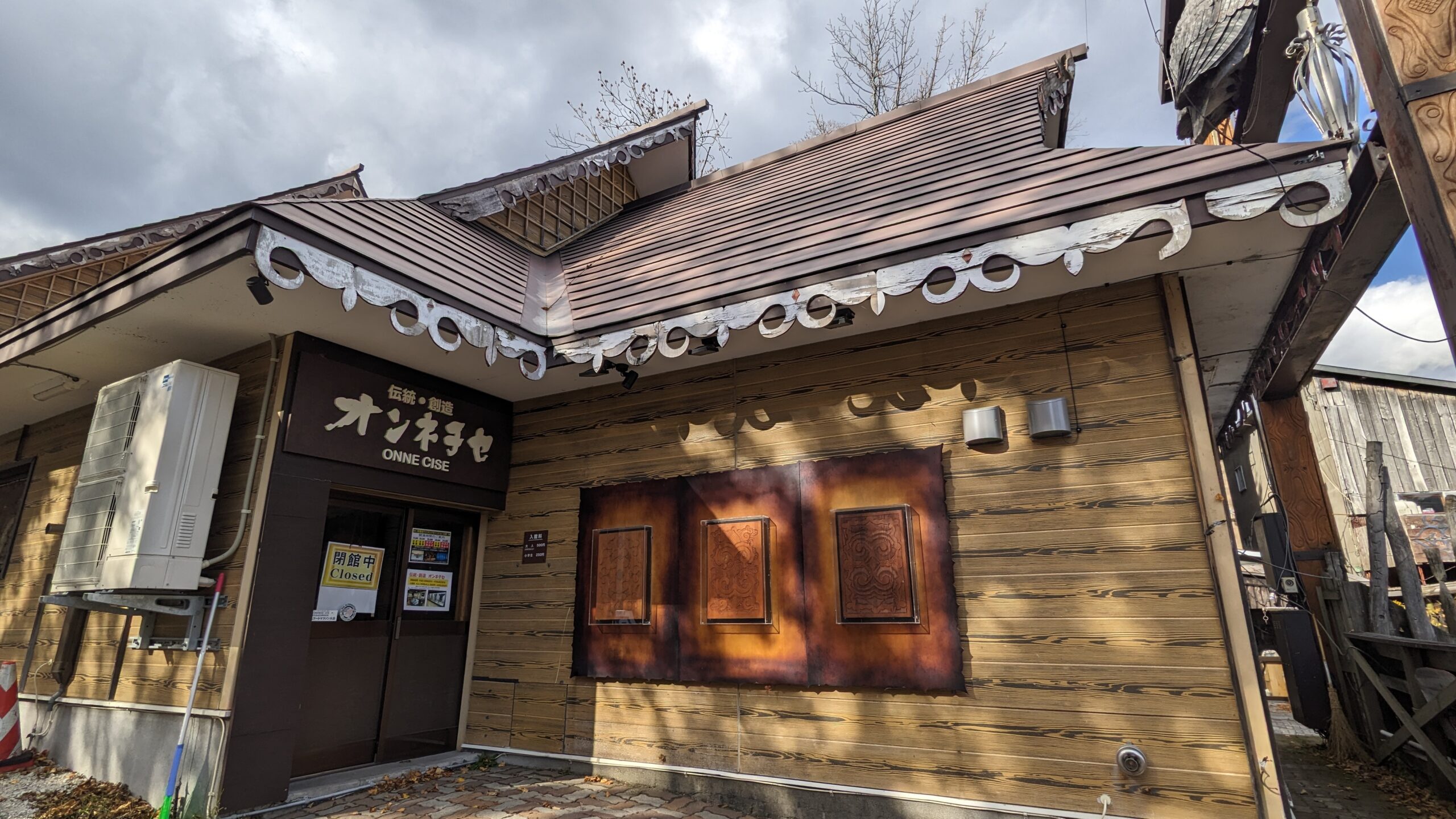
At the heart of Akan Ainu Kotan stands Onne Cise, an art and cultural museum dedicated to the spiritual world of the Ainu people. In Ainu belief, the natural world is inhabited by countless kamuy (divine spirits), and this worldview shapes every aspect of their daily life.
The museum displays traditional ritual tools, clothing, trade items, and household objects used in ceremonies and everyday life. Alongside these, you’ll also find contemporary artworks by modern Ainu artists, offering insight into how their heritage continues to evolve through creative expression.
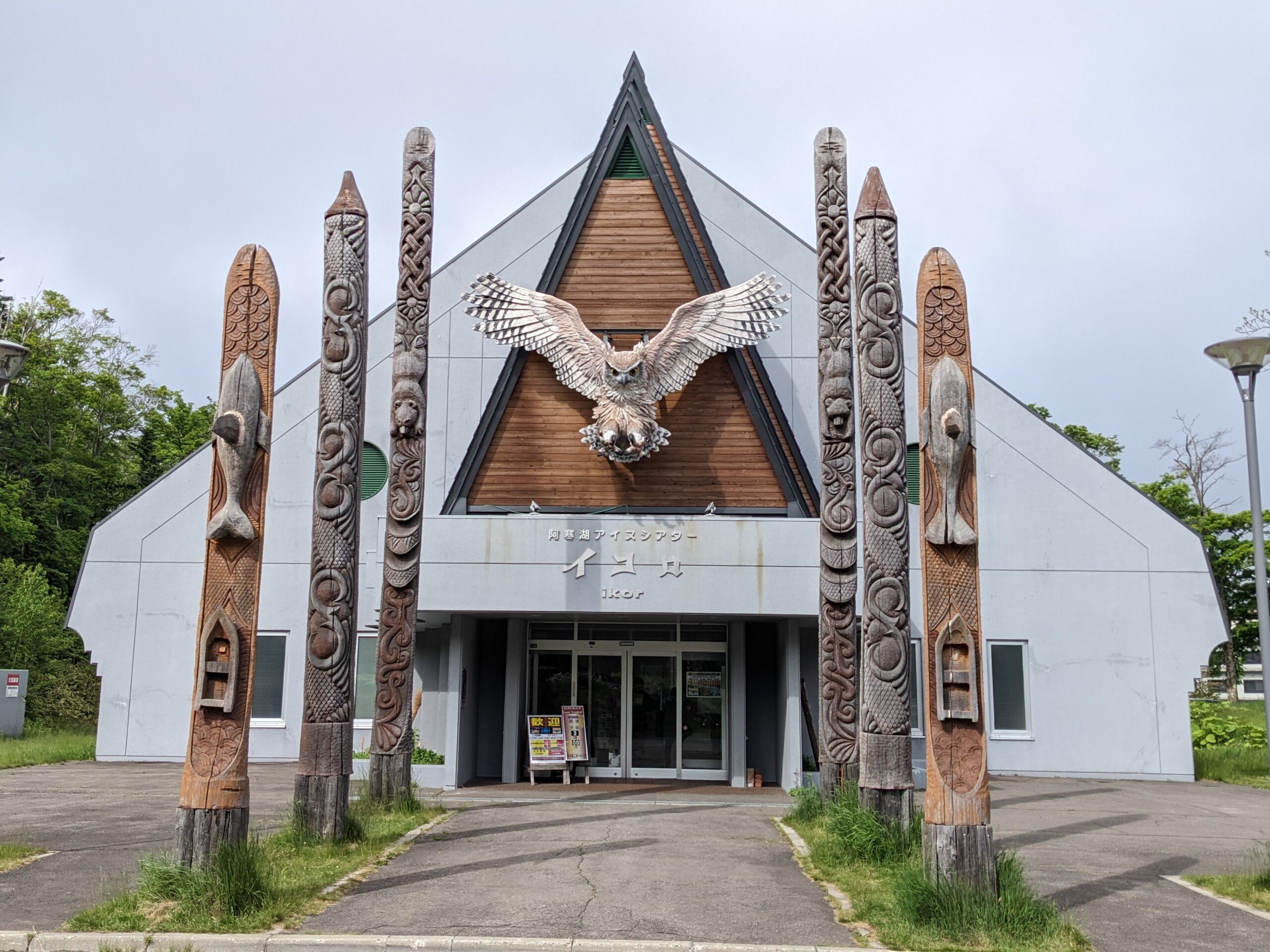
Ikor is Japan’s first indoor theater dedicated to Ainu culture, located in the heart of Akan Ainu Kotan. The performances include UNESCO-listed traditional Ainu dance, as well as modern productions like “Lost Kamuy,” which blends folklore with digital art and stage technology. Through music, movement, and immersive storytelling, visitors can experience the spiritual and cultural values of the Ainu people in a contemporary setting.
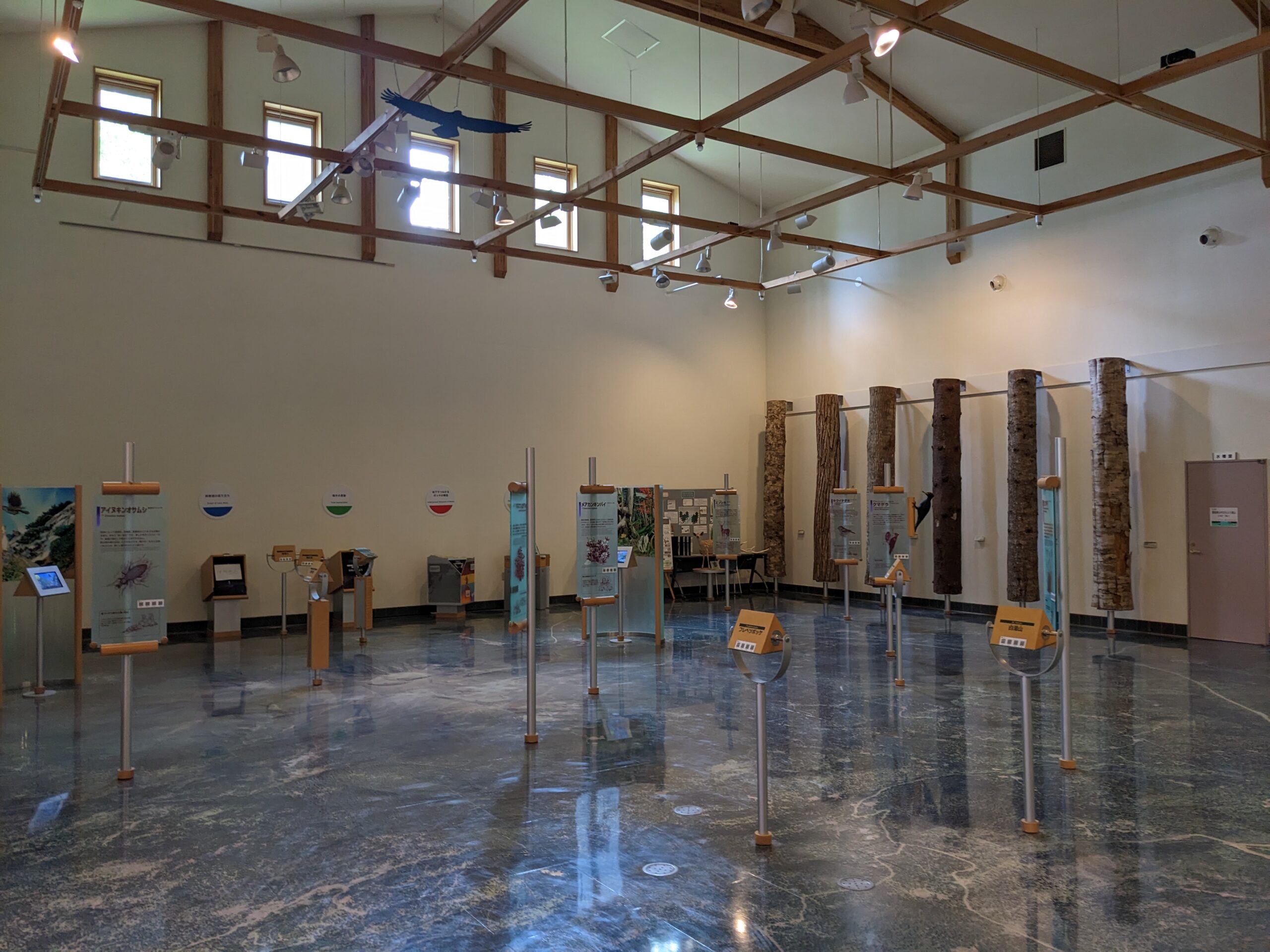
Akan-ko Visitor Center offers information about the natural environment of Akan-Mashu National Park and guidance on how to enjoy it responsibly. Inside, you’ll find exhibits on local wildlife including marimo algae and brown bears, aquariums with native fish, and life-sized models of regional trees.
The facility also includes a café and gift shop, making it a convenient stop for both learning and relaxing. In winter, visitors can rent snowshoes or cross-country skis and explore gentle trails through the nearby forest—an easy way to experience Hokkaido’s snowy landscape.
The Bokke Nature Trail is an easy 15-minute walking path that begins at the Akan-ko Visitor Center and winds through a forest of conifer and broadleaf trees. The area is home to wildlife such as red squirrels, Ezo deer, and the rare black woodpecker, offering a chance to observe animals in their natural habitat.
At the trail’s end lies a geothermal site known as “Bokke,” which means “boiling place” in the Ainu language. Heated by volcanic activity, the bubbling mud pools provide a striking view of the area’s active geology.
The trail continues to the sightseeing boat pier, making it a scenic and accessible way to enjoy the natural beauty around Lake Akan.
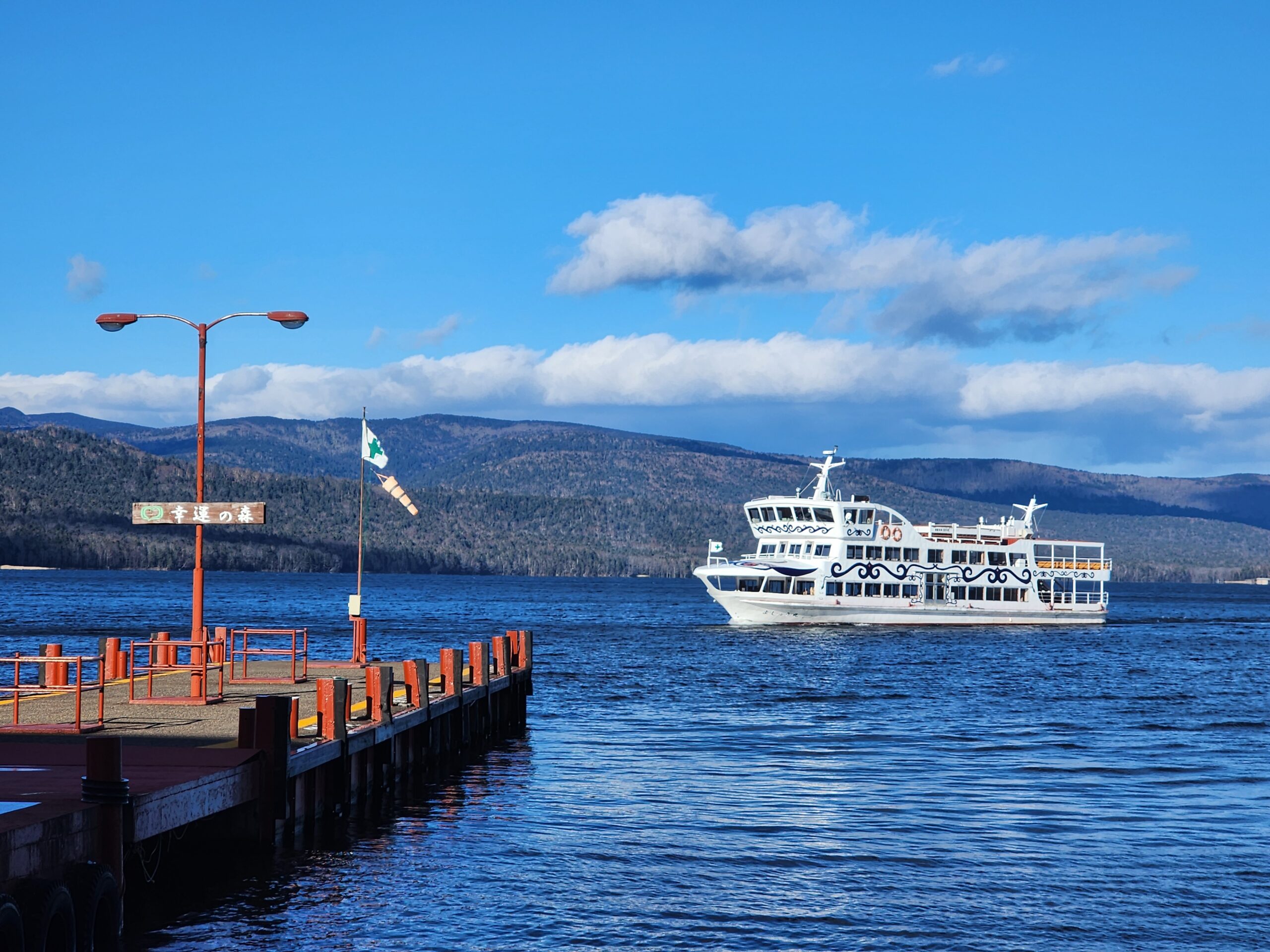
Akan Sightseeing Cruise operates cruises around Lake Akan from mid-April to late November. The most popular course lasts about 85 minutes and includes a stop at Churui Island, home to the Marimo Exhibition and Observation Center.
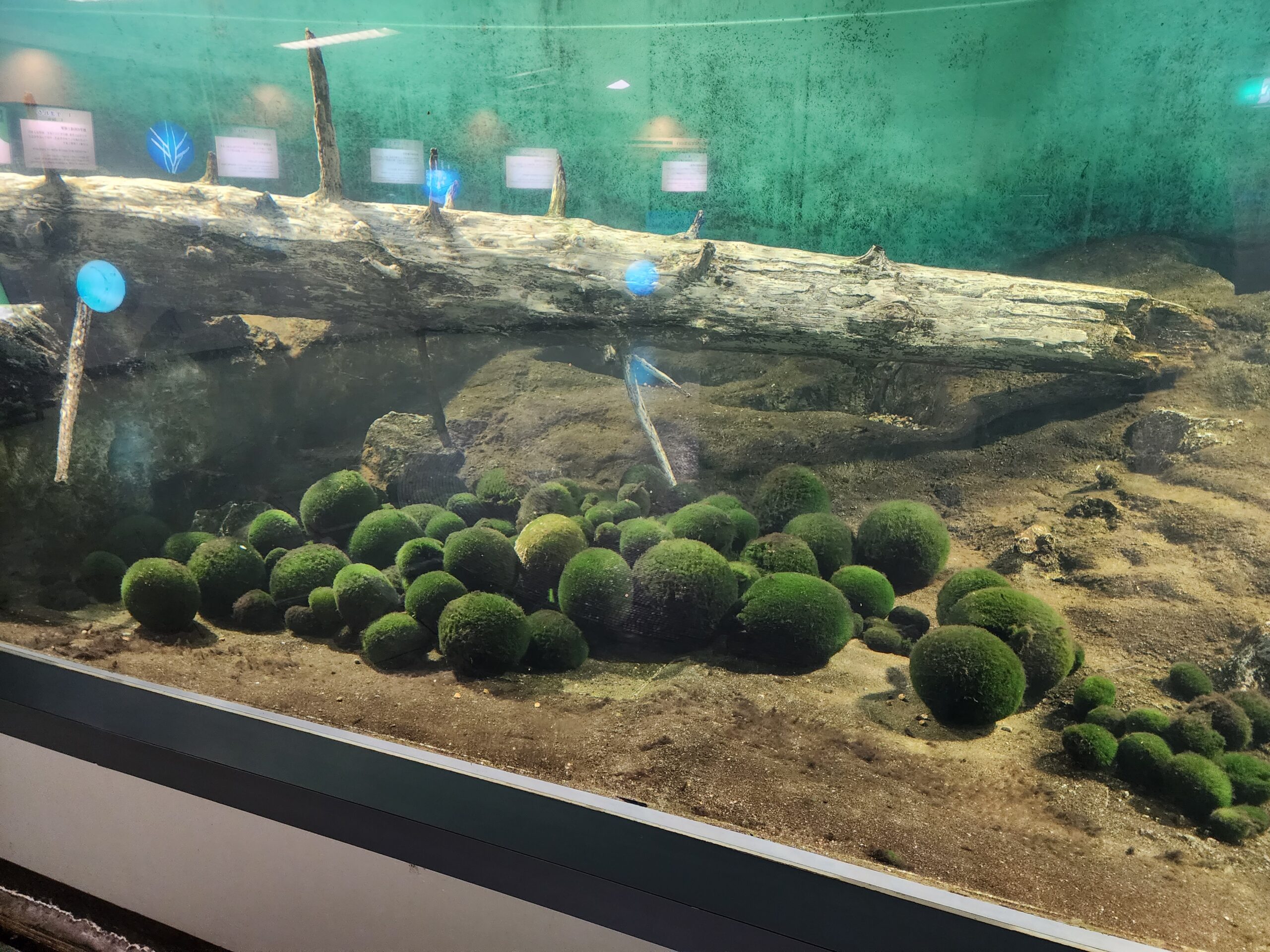
Here, visitors can see live specimens of marimo—rare spherical algae designated as a Special Natural Monument—as well as other native lake species like the elusive ito (Japanese huchen).
As the boat glides past coves and forested shorelines, passengers can enjoy views of Mt. Oakan and the volcanic landscapes that surround the lake.
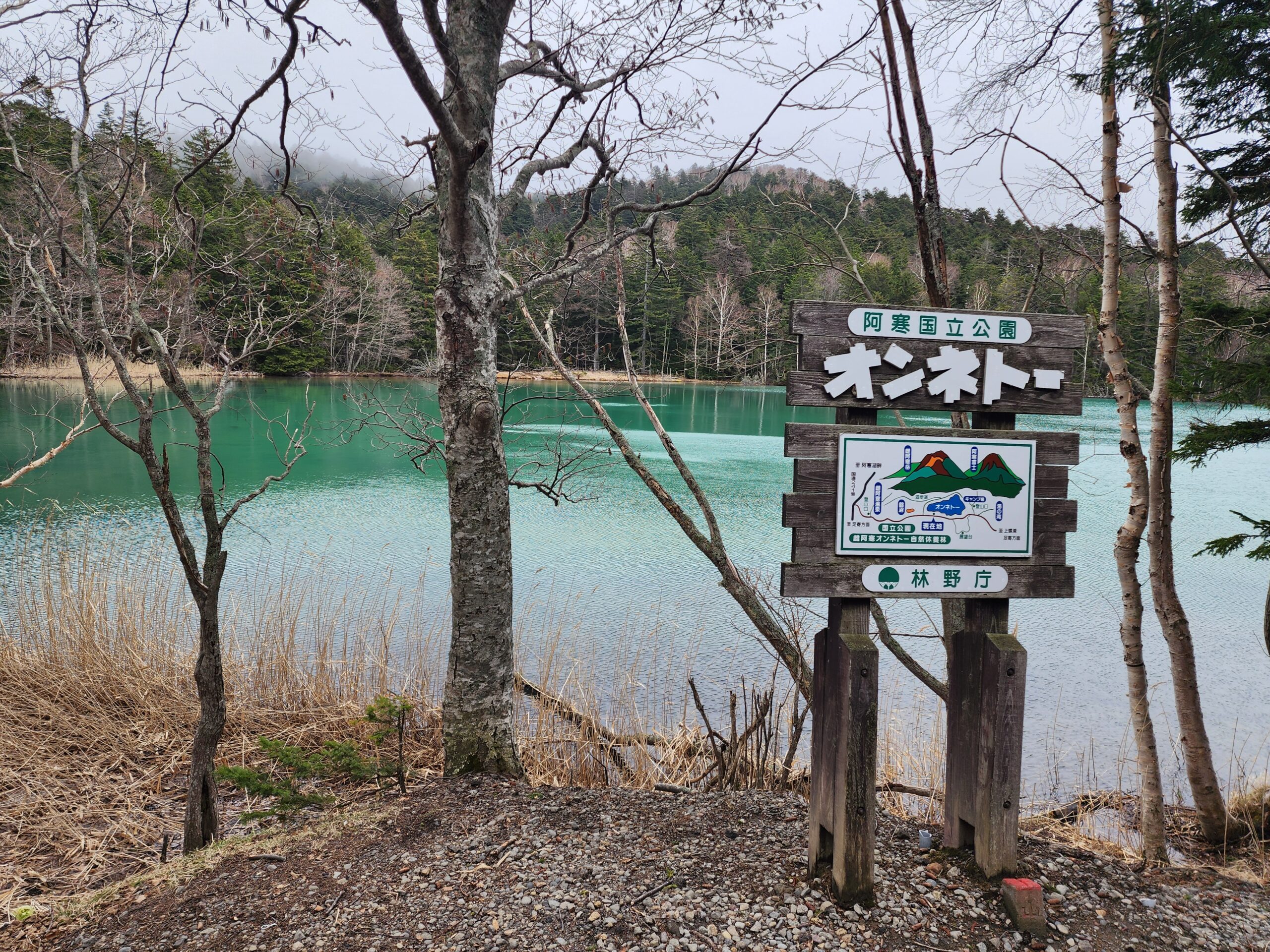
Onnetō is a small caldera lake known for its mesmerizing colors, which shift between sky blue, cobalt, and emerald green depending on the season, weather, and time of day. Because of these ever-changing hues, the lake is sometimes called “Goshikinuma,” meaning “five-colored marsh.”
A quiet walking trail surrounds the lake, offering peaceful views of Mt. Oakan and Mt. Meakan. On calm autumn mornings, the red and gold foliage reflects perfectly off the glassy surface, creating a scene of striking natural beauty.
Please note that the access road to Onnetō is closed during winter, typically from early December to early April.
Ainu culture places great importance on living in harmony with nature. Spirits, known as kamuy, are believed to reside in all things beyond human control—animals, plants, fire, wind, and more. This reverence is reflected in rituals like iomante, a ceremonial practice in which the spirit of a hunted animal is respectfully returned to the realm of the gods.
Following the Meiji period, government assimilation policies severely restricted Ainu language and cultural practices. However, in 2008, the Japanese government officially recognized the Ainu as an Indigenous people, and in 2019, a law promoting Ainu culture was enacted to support cultural revitalization and diversity.
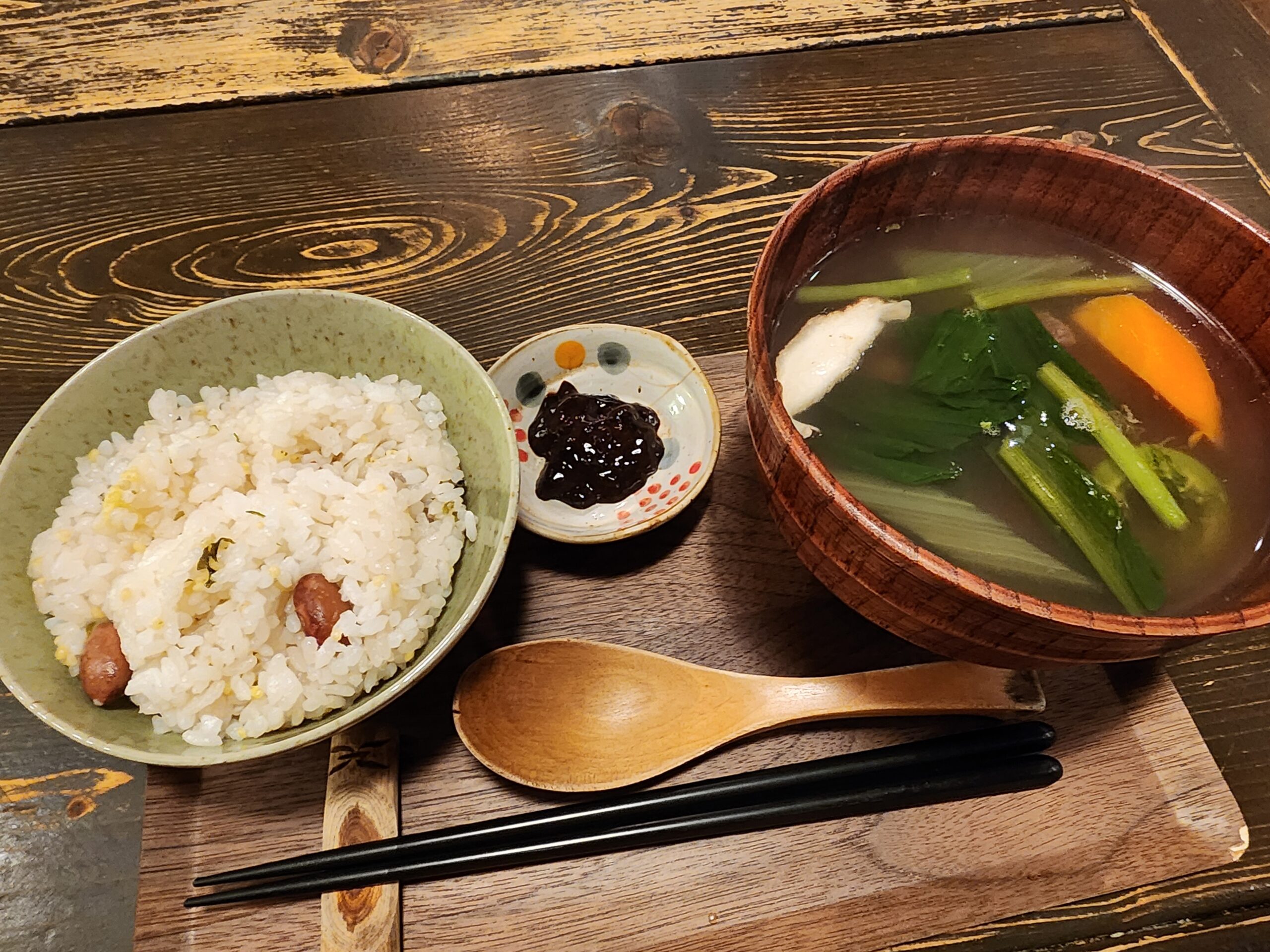
Ainu-themed cafe serving traditional foods such as pocche-im…
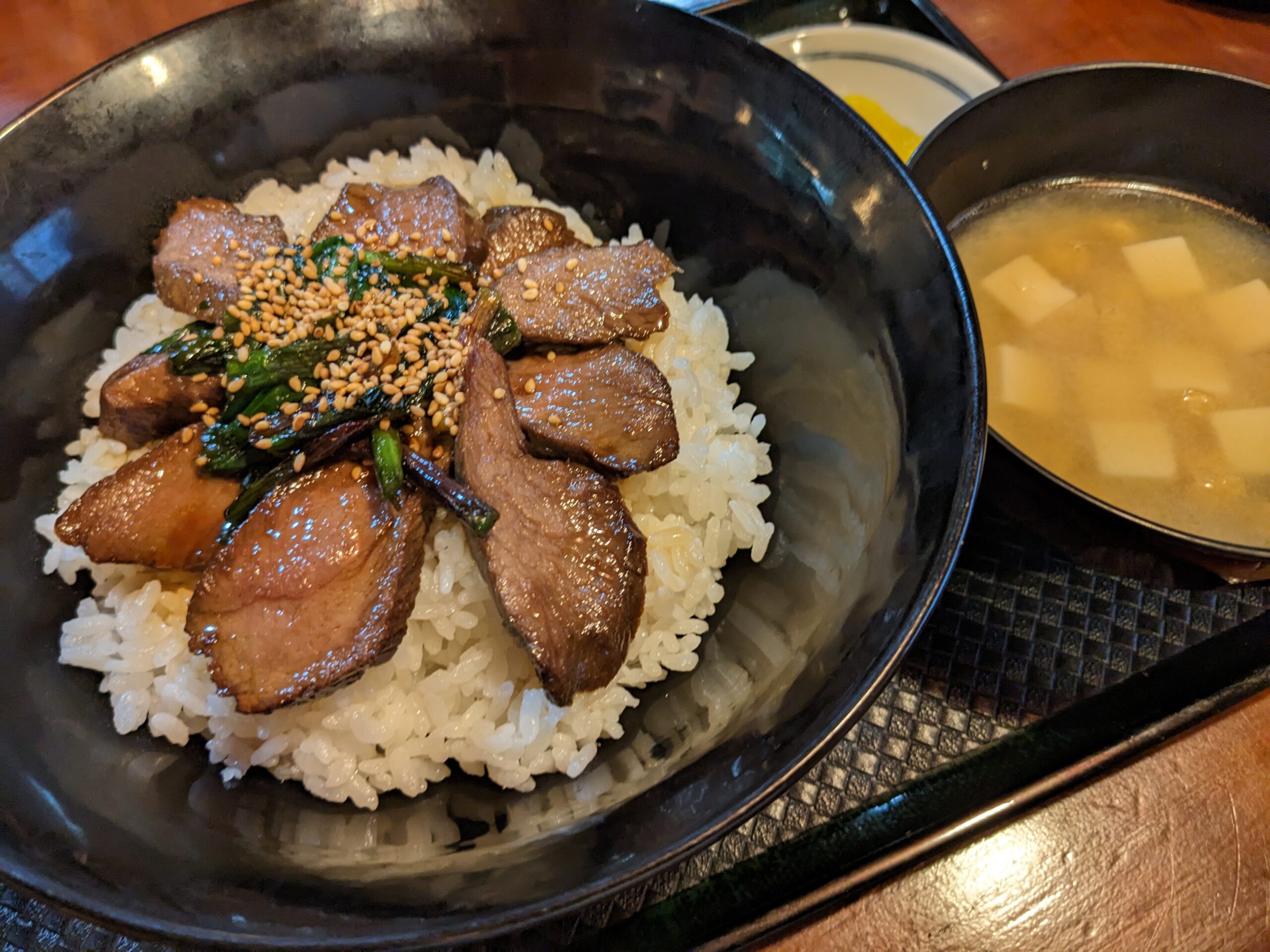
Restaurant where you can eat venison (deer meat) dishes and …
Destinations
Things to Do
Plan Your Trip