While the western side of Akan-Mashu National Park is known for Lake Akan and its cultural richness, the eastern side offers a different atmosphere—defined by dramatic caldera lakes, active geothermal zones, and strikingly clear waters.
Lake Mashu, located in the eastern part of the park, is one of the clearest lakes in the world—second only to Lake Baikal. Its deep-blue surface, often called “Mashu Blue,” shifts with the light and weather. The lake is encircled by steep crater walls and designated as a Special Preservation Zone, so access to the shoreline is restricted—helping preserve its pristine condition.
To the west lies Lake Kussharo, the largest caldera lake in Japan and second only to Lake Toba globally. Its outflow feeds the Kushiro River, sustaining wetlands and coastal ecosystems throughout Eastern Hokkaido. Several hot spring areas surround the lake, and in winter, visitors may witness a rare phenomenon called “Omiwatari,” where pressure from ice and geothermal heat causes dramatic cracks and ridges to form across the frozen surface.
Top Attractions
Mashu Lake First Observatory
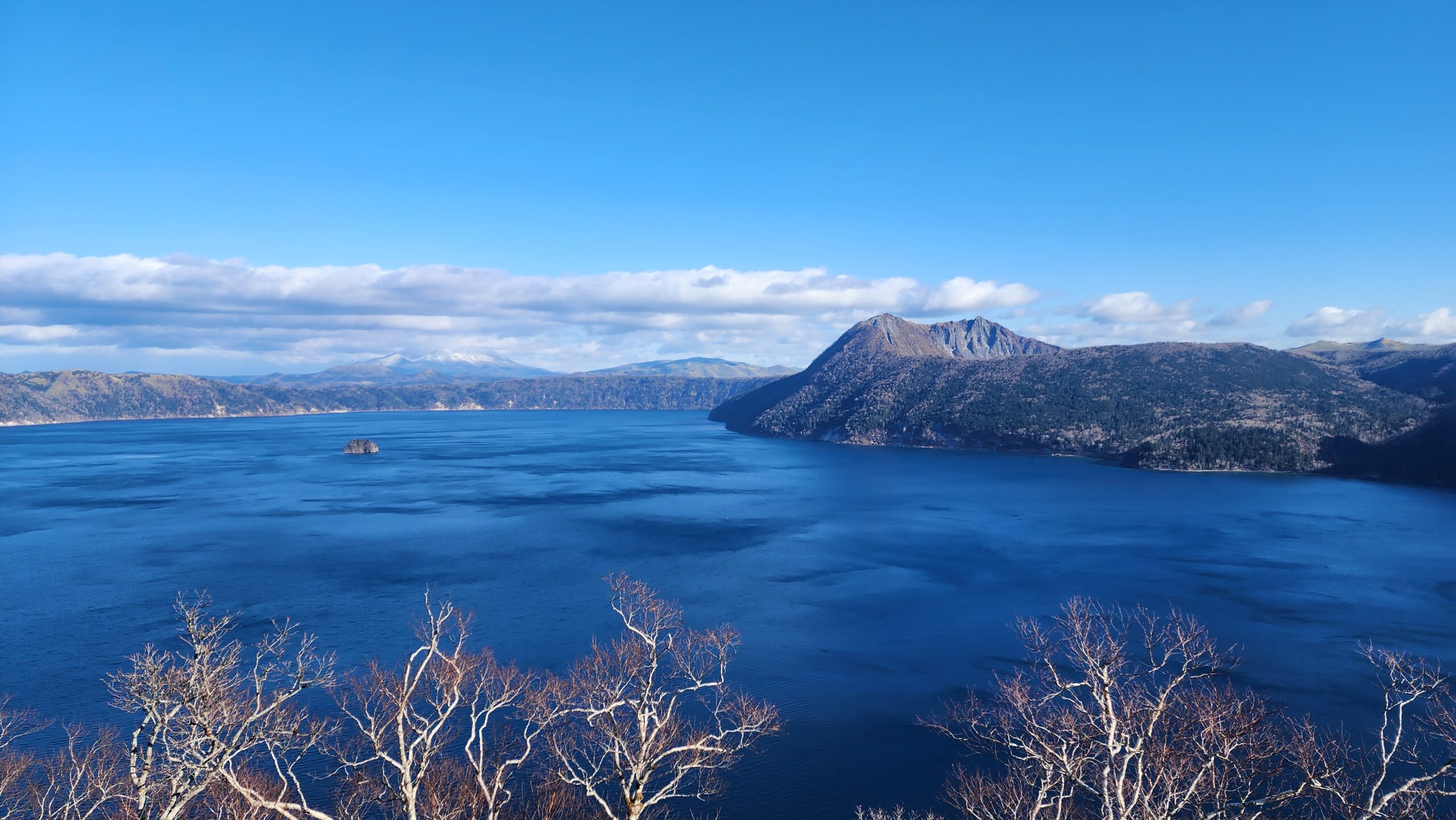
Located at one of the highest and most open vantage points around Lake Mashu, this observatory offers a sweeping view of the lake’s deep blue waters, the surrounding mountains, and Kamuishu Island floating near the center. Though Lake Mashu is famously shrouded in mist, on clear days you have a good chance of seeing its mirror-like surface in all its beauty.
The adjacent Kamui Terrace includes a rooftop observation deck that remains open 24 hours, making it an excellent spot for stargazing under Hokkaido’s unpolluted night skies.
- Info
- Hours: Kamui Terrace: 8:30–17:00 / Rooftop deck: open 24 hours
Closed: Open year-round, but may close during winter road closures or holidays
Mashu Lake Third Observatory
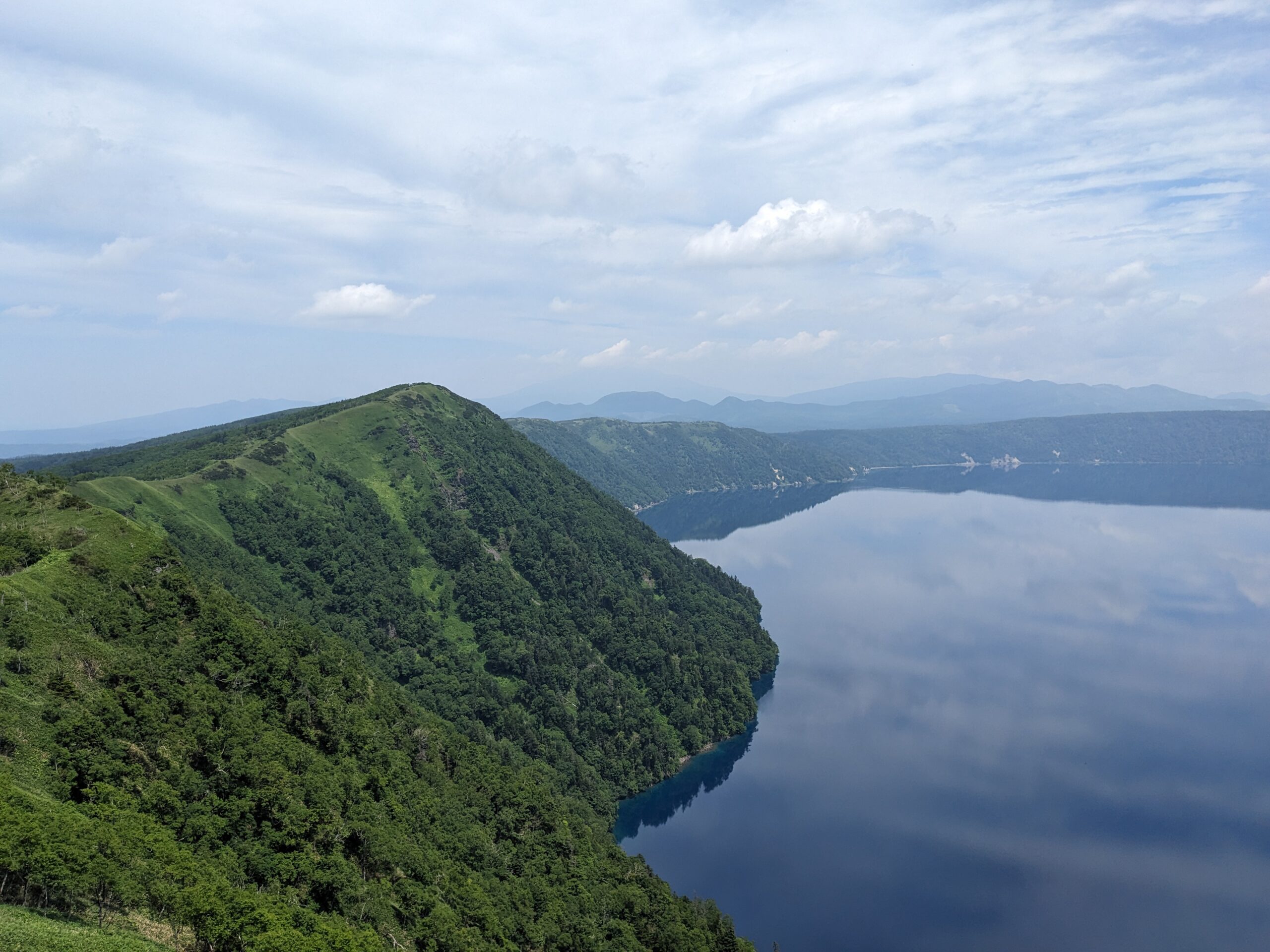
This observatory juts out toward the lake, offering a more intimate and dramatic perspective than the First Observatory. From this lower vantage point, you can see Kamuishu Island and the brilliant blue water right below your feet, framed by steep crater walls.
Looking in the opposite direction, you’ll find sweeping views of Lake Kussharo, Mt. Iō, and Mt. Mokoto. The scene becomes especially captivating at dusk, when the sky turns red and silhouettes the distant ridgelines—an ideal time for photographers and sunset lovers.
- Info
- Inaccessible during winter (late Nov to early Apr) due to seasonal road closures
Mt. Iō
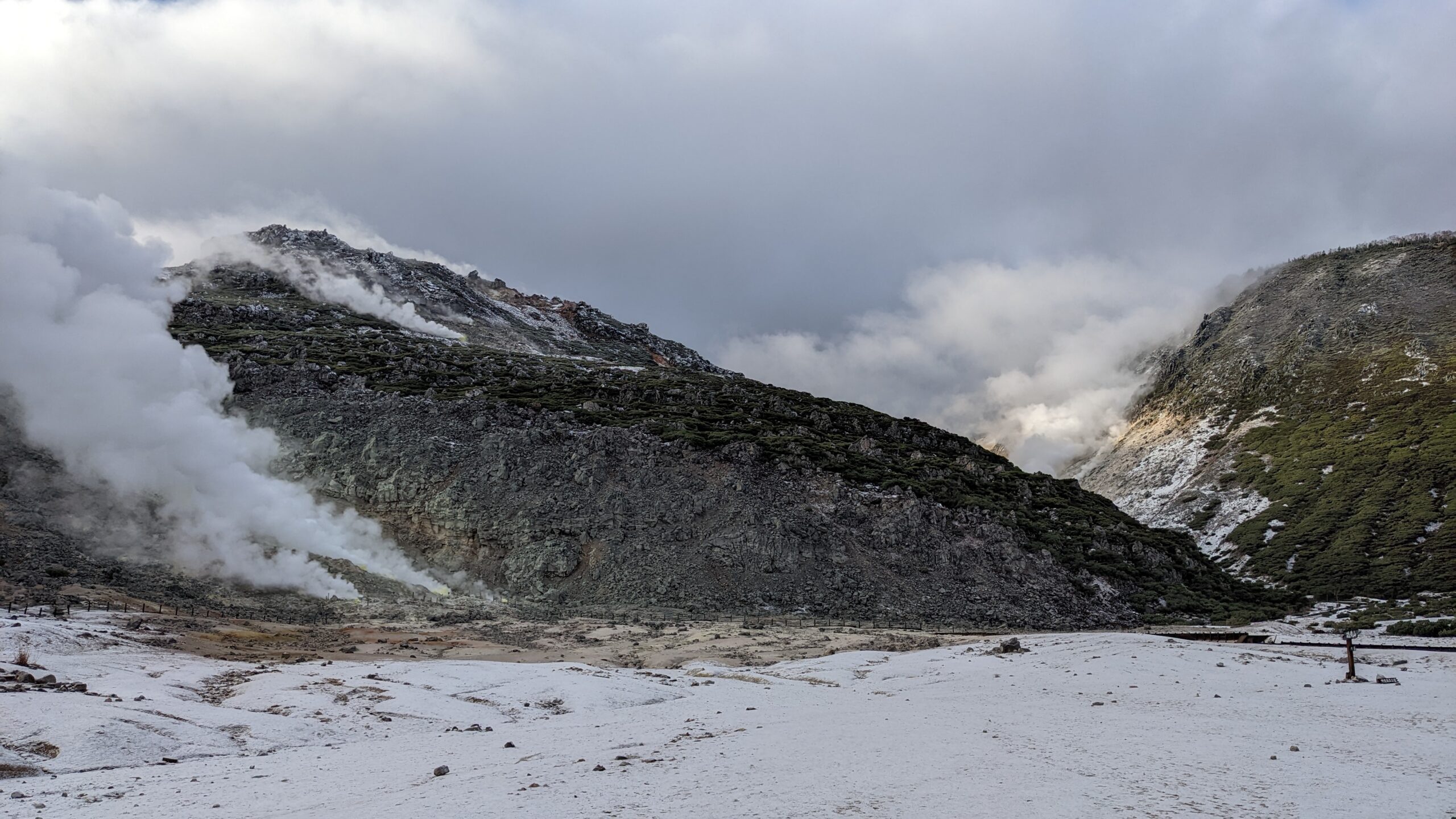
Mt. Iō—meaning “Naked Mountain” in the Ainu language—is an active volcano that still vents sulfurous steam today. Its bare slopes, stained bright yellow by crystallized sulfur, create an otherworldly landscape. The area was once a sulfur mining site, and traces of this history remain visible.
As you walk along the foot of the mountain, you’ll pass numerous steaming vents, each hissing with heat and releasing a distinct sulfur smell. This geothermal activity also feeds the nearby Kawayu Onsen, where acidic hot springs bubble up from underground.
Sunayu
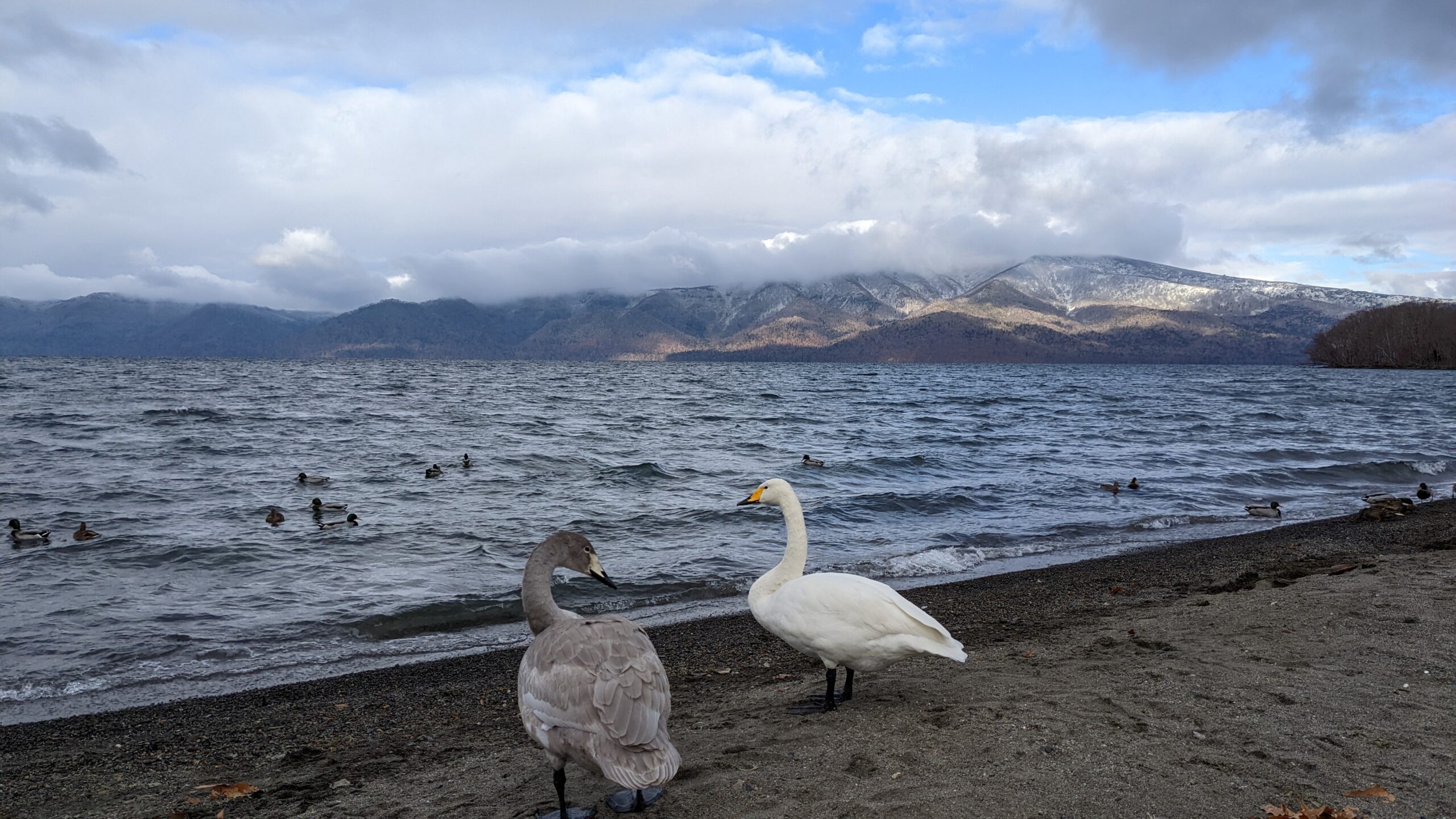
At this unusual lakeside spot along Lake Kussharo, you can dig into the sand with your hands and watch hot spring water bubble up. The phenomenon is caused by volcanic heat beneath the lakebed, which naturally warms the groundwater.
From autumn through spring, Sunayu is also a favorite spot for observing whooper swans, a protected species that migrates here to overwinter. Their graceful presence against the backdrop of the steaming lake and snowy shores draws nature photographers.
Kawayu Visitor Center
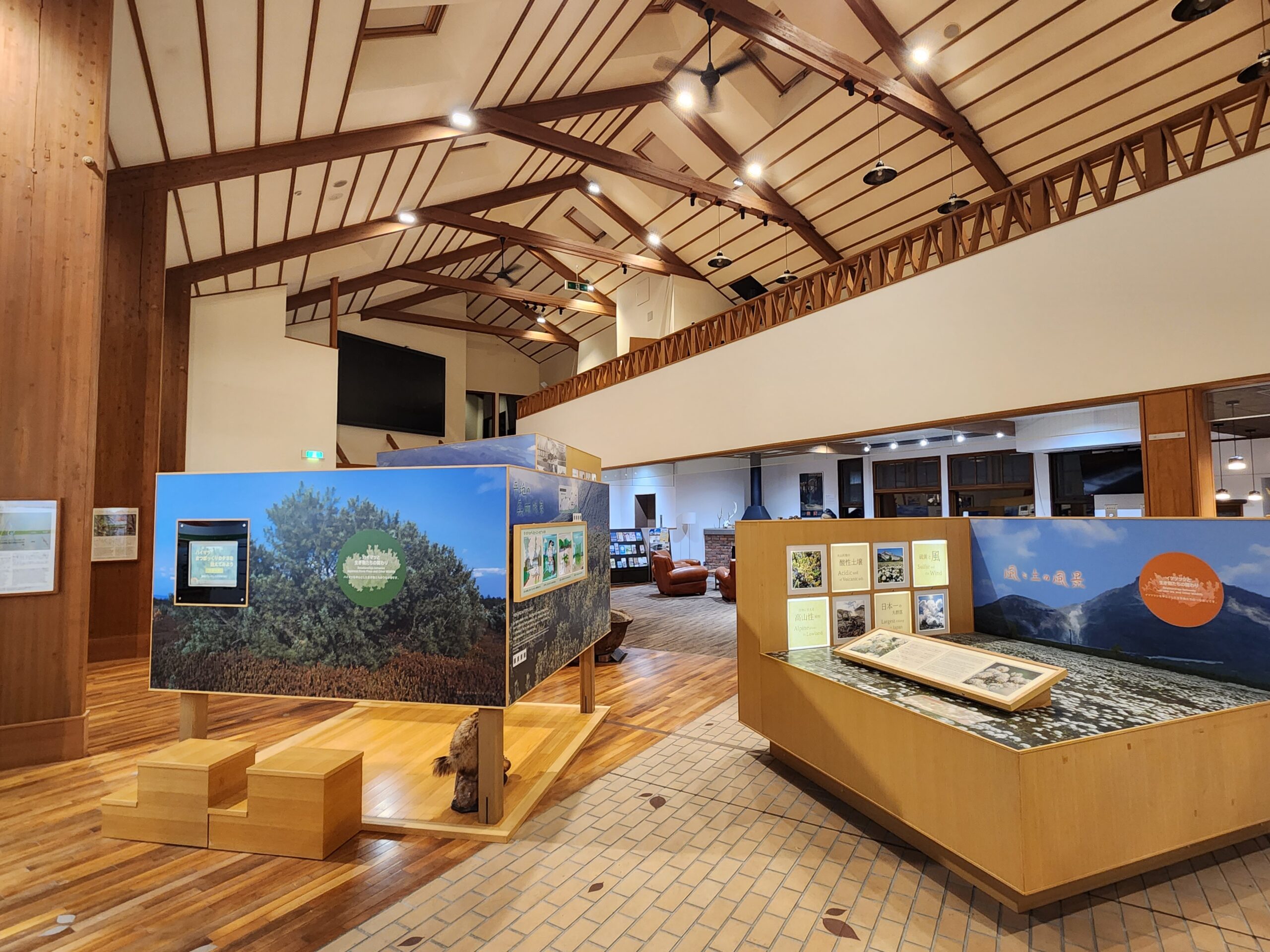
This visitor center serves as an educational gateway to the natural wonders of Akan-Mashu National Park’s Mashu-Kussharo area. Inside, you’ll find exhibits on local geology, forests, and wildlife—including detailed panels, dioramas, and taxidermy specimens of brown bears and Ezo deer.
Outside the center, you can explore a well-maintained forest trail through a stand of Sakhalin spruce, offering a chance to observe native flora and birdlife year-round.
- Info
- April–October: 8:00–17:00 (open daily from mid-July to August 31)
November–March: 9:00–16:00
Closed: Wednesdays (except mid-July to August)
Kotan Ainu Museum
Located near Lake Kussharo, this small but informative museum offers an introduction to the culture and history of the Ainu—Indigenous people of northern Japan. Exhibits cover traditional housing, food, rituals, and tools. Multilingual audio guides are available to support your visit.
MAP: https://maps.app.goo.gl/TR2tiugNbuuWtYJh9
Hours: 9:00–17:00
Open: Daily from April 10 to November 30
Closed: December to early April
Bihoro Pass
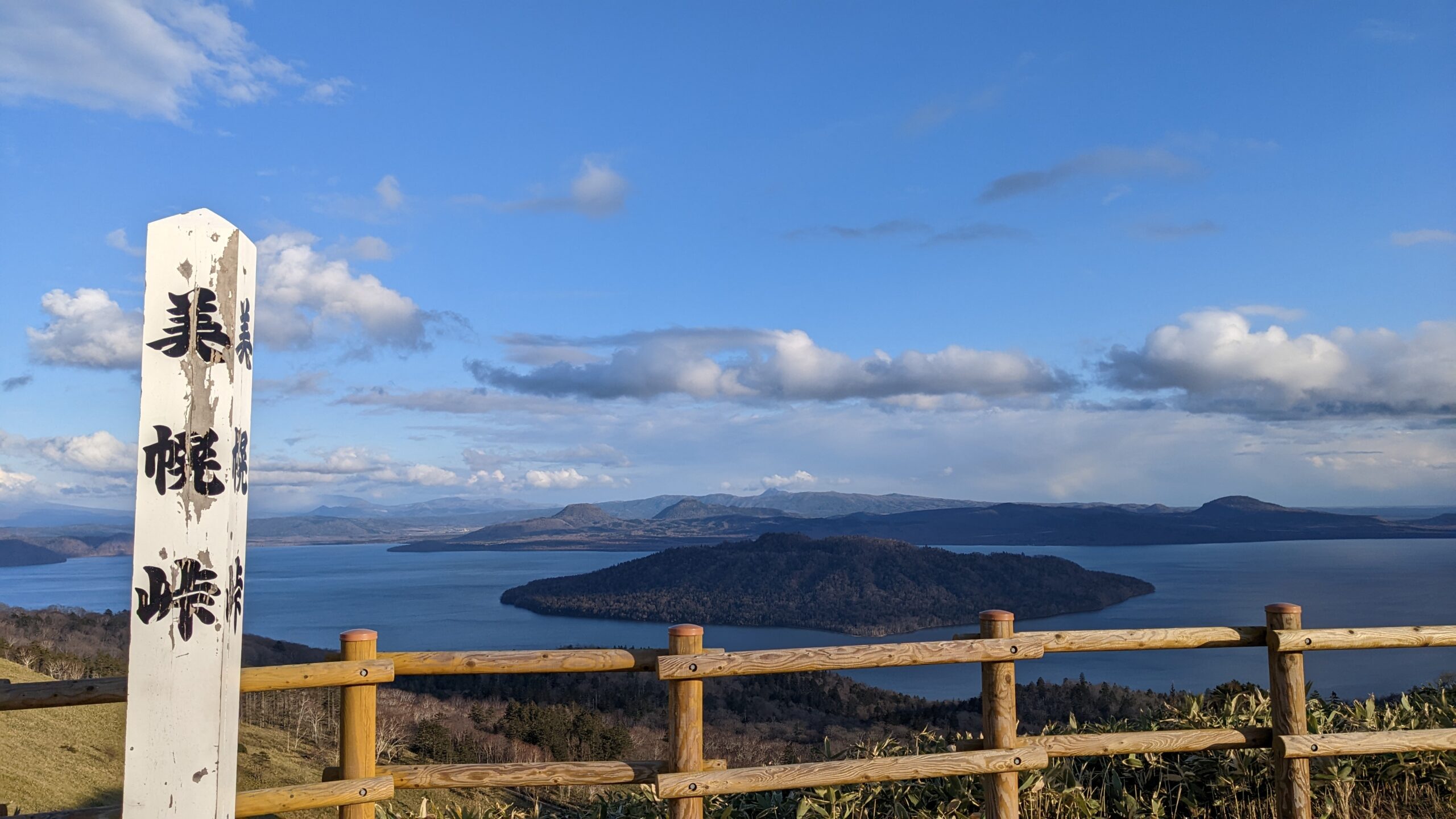
Bihoro Pass sits at 525 meters above sea level and offers one of the most breathtaking panoramic views in Eastern Hokkaido. From the viewpoint, you can look out over Lake Kussharo, Mt. Iō, Mt. Mokoto, and—on a clear day—even as far as Mt. Mashu, Mt. Shari, and the Shiretoko mountain range.
Between June and October, early mornings often bring a sea of clouds that blankets the lake—a magical sight that draws photographers and early risers alike. Right at the pass, the Michi-no-Eki (roadside station) offers a restaurant and gift shop featuring local products. Its second-floor rest area provides indoor seating with scenic views.
- Info
- Observatory: Open 24 hours
Michi-no-Eki (roadside station) Hours:
– April–October: 9:00–18:00
– November–March: 9:00–17:00
Closed: New Year holidays